



Indonesia records 333,470 ISPA cases in fire zones
JAKARTA, thekabarnews.com—Indonesia has placed thousands of health facilities on alert after authorities recorded 333,470 cases of acute respiratory infection (ISPA) across areas affected by forest...

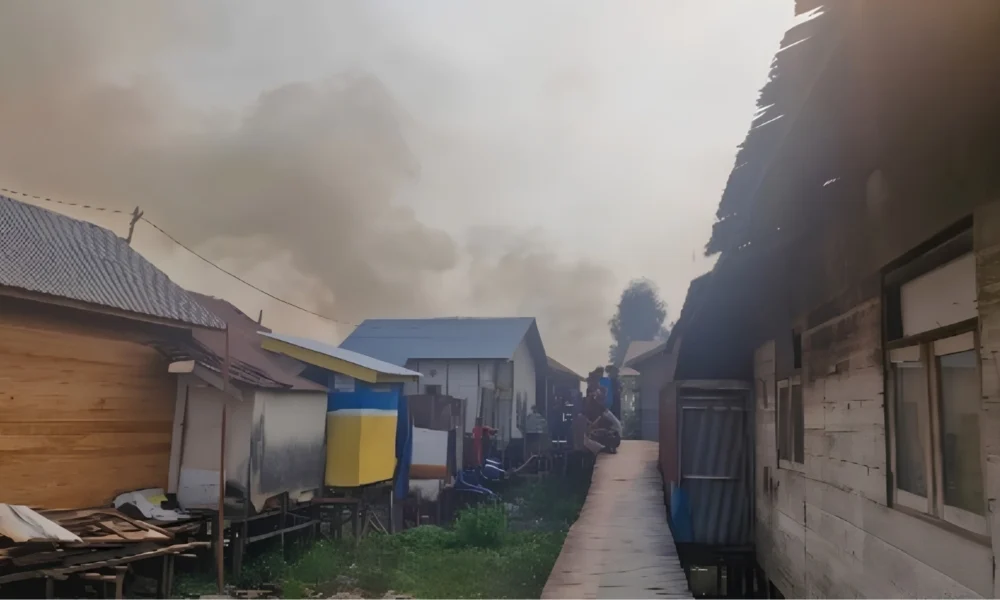
JAKARTA, thekabarnews.com—Indonesia has placed thousands of health facilities on alert after authorities recorded 333,470 cases of acute respiratory infection (ISPA) across areas affected by forest and land fires (karhutla).
The Health Ministry recorded the cases between Aug. 18 and Oct. 21, 2026, in 68 regencies and cities across seven provinces. The total included 75,172 cases among children aged five or younger and 258,298 among people above five.
The figures represent reported ISPA cases in fire-affected areas. They do not establish that smoke caused every recorded infection, as respiratory illnesses can have several causes.
To strengthen the response, central and regional authorities have prepared 1,691 community health centers (Puskesmas), 360 referral hospitals and 87 public health laboratories. Furthermore, local administrations have also established 491 oxygen centers for residents experiencing breathing difficulties.
Read also: Pontianak reports 5–10% rise in respiratory cases
The ministry’s readiness inventory includes 18,547 general practitioners, supported by specialists in respiratory medicine, ophthalmology and other relevant fields. Residents who need emergency assistance can contact the Public Safety Center through the 119 hotline.
Director of Environmental Health at the Health Ministry Then Suyanti said authorities were paying particular attention to children, older adults, women in pregnancy and people with existing respiratory or cardiovascular conditions.
“We must protect vulnerable groups because they fall ill more easily, reduce the amount of smoke entering homes and recognize signs of health problems,” she said.
The ministry has urged residents to monitor air quality through the government’s ISPUNet service. The service is integrated with the SATUSEHAT application. In addition, an Air Pollution Standard Index reading of 301 or higher falls within Indonesia’s “hazardous” category under Environment Ministry regulations.
Read also: Kemenkes reports 13,500 ISPA cases during fire season
Residents should limit outdoor activity when pollution rises, wear well-fitting masks and prevent smoke from entering their homes. They should seek medical assistance if they experience shortness of breath or a worsening cough.
The World Health Organization (WHO) identifies fine particulate matter, or PM2.5, as the main public-health threat in wildfire smoke. These particles can penetrate deep into the lungs and enter the bloodstream, worsening respiratory and cardiovascular conditions. Children, older people and those with chronic illnesses face greater risks.
Indonesia’s health response is operating alongside an extensive firefighting campaign. The National Disaster Management Agency (BNPB) prioritized Central Kalimantan, South Sumatra, Jambi, South Kalimantan, West Kalimantan and Riau. BNPB shared this priority in its Oct. 21 operational update.
BNPB said responders had extinguished more than 502 hectares of the 983 hectares covered by that operational tally. Meanwhile, they continued handling more than 481 hectares.
Read also: Five suspects in BNPB corruption case as haze leaves 283,270 people with ISPA
The agency used ground teams, water-bombing helicopters and weather-modification flights to suppress fires and reduce smoke. These operational figures may differ from cumulative burned-area estimates because the datasets cover different periods and response zones.
The Health Ministry had already activated the same network of 1,691 health centers, 360 referral hospitals and 87 laboratories earlier in the emergency. This indicates that authorities designed the system for a prolonged response.
With fires still producing smoke in several provinces, accurate air-quality information and early medical treatment remain central. These actions limit the public health impact. Residents should follow official updates from the Health Ministry, BNPB, regional disaster agencies and local health offices.




No Comment! Be the first one.