



Five suspects in BNPB corruption case as haze leaves 283,270 people with ISPA
OPINION, thekabarnews.com—Of the 14 people initially detained, only five were named suspects. Meanwhile, 283,270 people were suffering from acute respiratory infections (ISPA) as toxic haze spread...

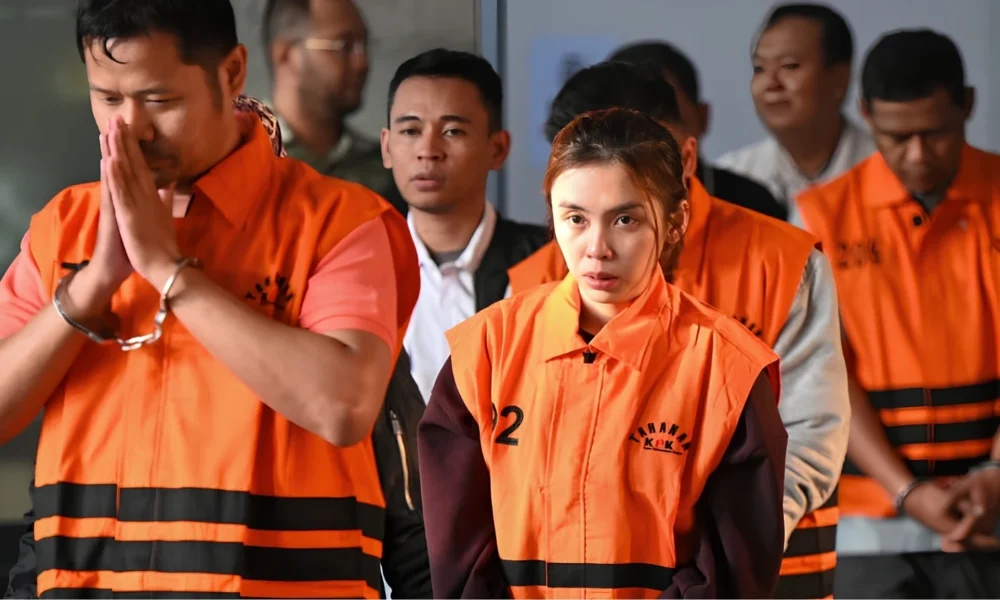
OPINION, thekabarnews.com—Of the 14 people initially detained, only five were named suspects. Meanwhile, 283,270 people were suffering from acute respiratory infections (ISPA) as toxic haze spread across Indonesia. Funds intended to help communities survive disasters are now at the center of a corruption investigation.
Pour yourself a cup of coffee without sugar (Koptagul), dude. This is a bitter story to swallow.
The Corruption Eradication Commission (KPK) has named five suspects following a sting operation involving the National Disaster Management Agency (BNPB).
They are Bima Setyawan, the brother of the BNPB head; Gabriel Purwaka Sigit, head of the Subdirectorate for Aid and Emergency Management and the procurement commitment officer; Richard Erlangga, an expert adviser; and two private individuals, Gery Prasetiawan and Syifa Nrika Ghifarin. All five were subsequently held at the KPK detention center.
Read also: Kemenkes reports 13,500 ISPA cases during fire season
The allegations concern bribery and conflicts of interest in the procurement of goods and services financed through disaster preparedness funds. Investigators seized IDR 3.3 billion in cash and hundreds of grams of gold, while efforts to trace cryptocurrency assets continued.
Fourteen people were initially detained, including BNPB Deputy Head Rustian. He remained a witness after investigators found no evidence of unlawful conduct on his part.
The distinction matters: these are allegations under investigation. But the questions they raise about the management of emergency funds are deeply troubling.
While investigators followed the money, communities across seven provinces were choking on smoke.
Reported figures put the number of people affected by acute respiratory infections at 283,270, including 63,711 children under five. Another figure cited 62,400 young children experiencing breathing difficulties linked to fine particulate pollution, or PM2.5.
Read also: KPK questions 14 in BNPB procurement corruption probe
But behind those numbers are families who watch their children cough through the night, parents who look for cleaner air, and communities that wonder whether tomorrow will bring relief—or another cloud of smoke.
In that context, charges of corruption in the use of disaster funds are a profound betrayal. Authorities should use emergency response funds to contain fires and save lives. They must thoroughly investigate any diversion of those resources and hold those responsible accountable.
How can an institution entrusted with disaster management become the subject of such allegations? And how can the BNPB chief’s own brother become implicated while communities continue to struggle for breathable air?
Haze blanketed places including Palangka Raya, Pekanbaru, and Palembang, with affected areas extending across Riau, South Kalimantan, and South Sumatra. Reports also described smoke reaching Ambon, North Sulawesi, and Papua.
In Pekanbaru alone, there were 9,816 cases of ISPA. Palembang was recorded to have 6,296 cases in only 12 days. Air quality in 12 districts and cities reached hazardous levels, schools moved to remote learning and anxious parents reportedly lined up for oxygen.
Read also: BNPB deploys 39 helicopters as wildfires spread
At the same time, the BNPB probe brought accusations of rigged procurements, vendor collusion involving cronies and self-enrichment from emergency funds.
If those allegations are proven, the consequences extend far beyond missing money. They would represent a failure of public trust during a crisis.
The anger does not end with the corruption investigation.
As fires continued to burn and children struggled to breathe, Hashim Djojohadikusumo, the president’s brother, spoke at the Investor Daily Summit about 12.7 million hectares of degraded forest land.
He suggested that developers could—“if lucky”—use this land, much of it overgrown with scrub, to support biofuel blends ranging from B50 to B100.
That proposal deserves scrutiny.
Hashim described the land as a source of carbon emissions and forest-fire risk while also presenting it as an opportunity for palm oil development. At the same time, the government said developers should not convert previously burned land into oil palm plantations, and authorities were investigating companies suspected of burning land.
Those positions raise an obvious question: how would expanding palm oil cultivation on degraded land align with commitments to prevent fires and protect forests?
The statements have no relation to the BNPB corruption case. But their timing adds to the public’s aggravation. Families bear the direct fallout of environmental destruction, while powerful people talk of the commercial prospects of ruined landscapes.
What kind of priorities does this situation reveal?
Investigators are examining alleged corruption involving disaster preparedness funds. They have seized cash and gold and are tracing cryptocurrency assets. Meanwhile, communities are breathing polluted air and children are suffering from respiratory illness.
Read also: Thousands join Salat Istisqa as haze covers Pontianak
At the same time, officials are discussing millions of hectares of degraded forest as potential resources for palm oil and biofuel production.
The people count the days until they can breathe freely. Those in positions of influence count hectares and investment opportunities.
If officials diverted emergency funds for private gain, what else could we call it but a betrayal of the public?
And what does talk of energy independence mean to a parent whose child is struggling to breathe?
Biofuel policy, land rehabilitation, and economic development deserve serious debate. But that debate must begin with public health, environmental protection, and transparent governance.
Officials speak of damaged forests. The deeper concern is whether power and profit have damaged their sense of responsibility.
The public deserves clean air, accountable institutions, and disaster funds that reach the people who need them. Every proven abuse of that trust must have consequences.
By: Rosadi Jamani
…….
Do you have an opinion on the issues that are happening right now? If you would like to submit your article by email to thekabarnews@gmail.com


No Comment! Be the first one.