



Kemenkes reports 13,500 ISPA cases during fire season
JAKARTA, thekabarnews.com—The Health Ministry (Kemenkes) recorded approximately 13,500 cases of acute respiratory infection (ISPA) from July through August 2026. This occurred as smoke from forest...

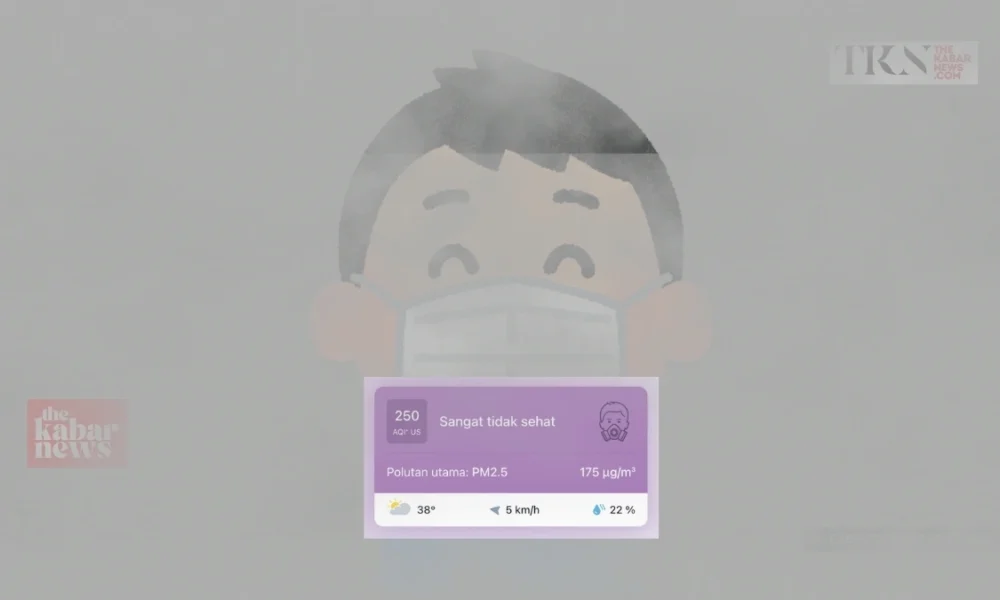
JAKARTA, thekabarnews.com—The Health Ministry (Kemenkes) recorded approximately 13,500 cases of acute respiratory infection (ISPA) from July through August 2026. This occurred as smoke from forest and land fires affected parts of Sumatra and Kalimantan.
Deputy Health Minister Dante Saksono Harbuwono said on Friday, August 28, that some patients had recovered after receiving treatment. Ministry data showed that 4,082 people were still experiencing respiratory illness as of August 27.
“The cumulative total from July to August 2026 reached 13,500 people with ISPA. Some have recovered through the treatment we provided. However, yesterday, 4,082 people were still suffering from ISPA,” Dante told a press conference at the ministry’s office in Jakarta.
He said the ministry’s monitoring showed more cases during the current fire season than in the comparable period last year.
“If you look at the graph, there are more ISPA cases this year than last year,” he said.
The figures indicate a growing health burden in areas exposed to haze. They do not prove that smoke caused every recorded infection.
ISPA is a broad diagnostic category, and respiratory infections can also result from viruses, bacteria or other environmental factors.
The ministry’s reported totals also vary according to the period and surveillance category used. A separate Health Ministry update recorded 165,747 ISPA cases in West Kalimantan from January to early August. Meanwhile, South Kalimantan reported 18,423.
Those year-to-date provincial figures should not be directly compared with Dante’s July–August count for wildfire-affected areas. This disparity is because they cover different populations and reporting periods, according to the health ministry.
Earlier in August, the ministry estimated that haze had directly exposed well over three million residents across 37 cities and regencies in seven provinces. The affected provinces included Riau, Jambi, South Sumatra and four provinces in Kalimantan.
The ministry deployed additional healthcare workers and supplied masks, oxygen concentrators and medicines to affected regions.
It also instructed health facilities to prioritize children, women in pregnancy, older residents and people with existing heart or lung conditions.
Health Minister Budi Gunadi Sadikin has warned that PM2.5 particles in wildfire smoke can reach deep inside the lungs.
He advised residents to monitor air quality, limit outdoor activity when pollution rises and wear suitable masks when exposure cannot be avoided.
Dante rejected suggestions that the increase resulted from a delayed health response. He linked the higher caseload to the growing health impact of this year’s fires.
The latest data reinforce the need for continuous disease surveillance alongside fire suppression. Authorities must publish consistent reporting periods so residents can understand how the haze affects public health. This also helps residents see how the situation changes over time.



No Comment! Be the first one.