



Prabowo approves kratom downstreaming, putting West Kalimantan in focus
JAKARTA, thekabarnews.com—West Kalimantan could become a major supplier for Indonesia’s planned kratom downstream industry after President Prabowo Subianto approved an expansion of the national...

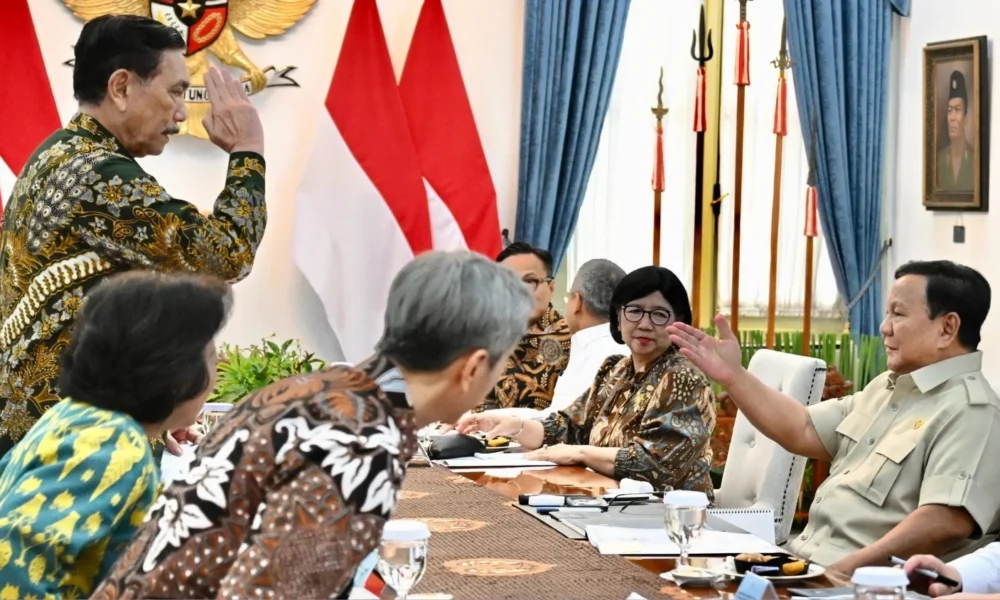
JAKARTA, thekabarnews.com—West Kalimantan could become a major supplier for Indonesia’s planned kratom downstream industry after President Prabowo Subianto approved an expansion of the national processing agenda into agricultural commodities.
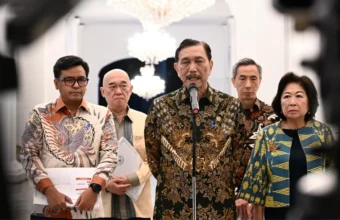
National Economic Council (DEN) head Luhut Binsar Pandjaitan said the Indonesian government was preparing downstream projects for kratom and frankincense.
President Prabowo is expected to inaugurate the program and a genome-sequencing research center in the Lake Toba area of North Sumatra in March 2027, provided preparations remain on schedule.
“Under President Prabowo, downstreaming is now moving into agriculture, including kratom and frankincense,” Luhut said after meeting the president at the Merdeka Palace in Jakarta on Tuesday, Oct. 20.
Read also: West Kalimantan kratom exports rise as buyers seek a traceable supply
The initiative seeks to move Indonesia beyond exporting dried leaves and other minimally processed materials. The planned research center would study commercially valuable local plants and support the development of products with higher value.
Luhut presented a broad estimate of the commercial opportunity. However, he did not disclose the methodology or specify which products the projection covered.
“For these two commodities, I think we see a downstream market of several billion or perhaps tens of billions of dollars—you can Google it too,” he said.
The estimate should therefore be treated as an initial government projection rather than a realized market value. According to the Presidential Secretariat, it is not a revenue forecast for West Kalimantan.
Read also: Kapuas Hulu ends grants to central government agencies
Kratom, scientifically known as Mitragyna species, grows extensively in Kapuas Hulu regency, West Kalimantan. Many residents cultivate the plant along riverbanks and sell its leaves to collectors or exporters.
West Kalimantan administration material citing a 2018 Forclime survey recorded 45,833 hectares of kratom plantations across 150 villages. The survey counted more than 112 million trees managed by 46,751 households.
In July 2022 the National Narcotics Agency (BNN) stated that Kapuas Hulu had 18,120 farmers and 44.49 million kratom trees. The disparity between the two data sets is large. This suggests the need for an updated census before authorities design a processing capacity or estimate potential farmer participation.
Kratom also has an ecological role in some riverside areas because its root system can help stabilize soil. Nevertheless, cultivation data alone cannot establish whether the crop is improving household income.
Read also: Indonesia’s mineral exports rise as volumes diverge
West Kalimantan demonstrated its export capacity on September 30, 2025, when authorities released a direct shipment of 343.5 tonnes of kratom to India through Pontianak’s Dwikora Port. The shipment was valued at about Rp15.48 billion.
Direct certification in Pontianak allows exporters to avoid routing cargo through Jakarta or Surabaya. Yet exporting dried or powdered leaves does not constitute full downstream industrialization.
Kapuas Hulu Regent Fransiskus Diaan said local producers still conducted only limited processing when authorities released the shipment.
“Kratom management in Kapuas Hulu still produces raw material rather than export-ready processed goods. Farmers only harvest and dry the leaves,” he said.
Producing standardized extracts or other derivatives would require suitable factories, laboratory testing and buyers willing to accept the products. It would also require rules defining which derivatives businesses may legally manufacture.
Farmers have not necessarily benefited from the commodity’s potential international value. Interviews published in January showed dried kratom fragments selling for Rp18,000 to Rp19,000 per kilogram in parts of Kapuas Hulu. Another farmer reported receiving only Rp12,000 to Rp13,000.
These are figures from individual farmers, not a province-wide price survey. Even so, they show the volatility at the production level. One farmer said Ozil also appealed to local authorities for help in providing fertilizer and spraying equipment as maintenance costs squeezed household earnings.
The Indonesian government has regulated kratom export under an updated Trade Ministry Regulation No. 5/2026. The exporters will have to get the export approval and the registration as required. The regulation may also require surveyor reports certifying shipments are free of contamination and meet quality standards.
Kapuas Hulu already has Regional Regulation No. 4/2024 on kratom governance and trade. The West Kalimantan legislature is discussing a provincial regulation, but businesses want it to complement national export rules. They want it to avoid duplicating them.
Read also: Indonesia targets $45 billion in nickel exports for 2026
“We support the proposed kratom governance regulation. However, it must not become a new obstacle or add restrictions that slow exports,” Indonesian Kratom Entrepreneurs Association (Pekrindo) Secretary General Andri Satria Putra said.
Andri said the regulation should be focused on farmer training, post-harvest quality and compliance with market standards. He has also argued that unclear authorization for processed kratom products makes companies reluctant to invest in large factories.
The concern is significant because the Food and Drug Monitoring Agency (BPOM) currently prohibits kratom as an ingredient in domestically registered traditional medicines and health supplements. Therefore, export-oriented industrial development would need a clear regulatory route covering research, production and product safety.
For West Kalimantan, the March 2027 plan represents an opportunity rather than a guaranteed windfall. Its benefits will depend on whether local farmers gain access to processing, stable buyers and a larger share of the product’s final value.
No Comment! Be the first one.