



Rising tomato prices become symbol of America’s growing cost-of-living crisis
Thekabarnews.com—Tomatoes are a staple ingredient in everything from fast-food burgers to homemade salads to gourmet restaurant dishes. Now they have become an unlikely symbol of the rising cost of...

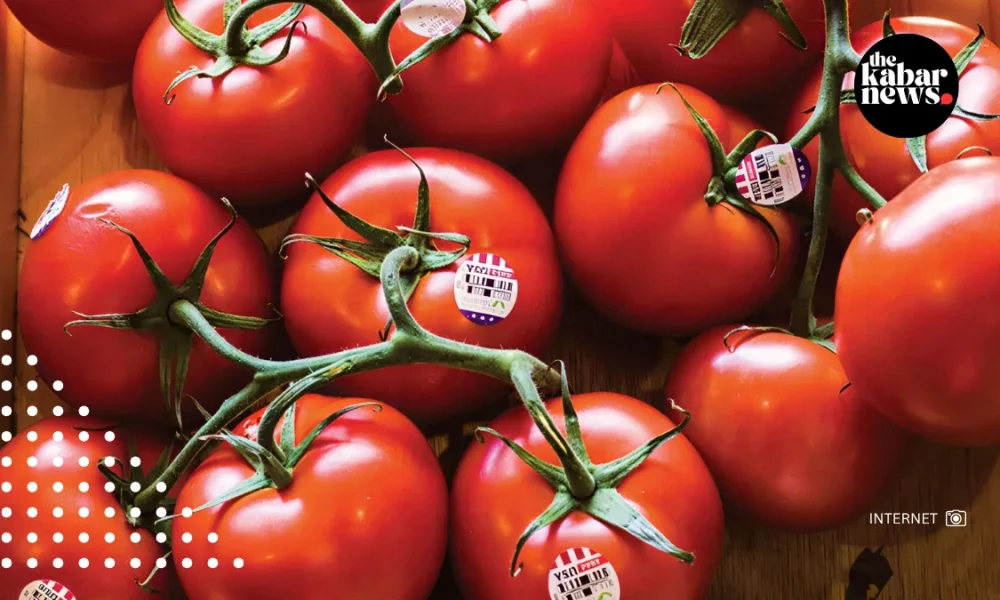
Thekabarnews.com—Tomatoes are a staple ingredient in everything from fast-food burgers to homemade salads to gourmet restaurant dishes. Now they have become an unlikely symbol of the rising cost of living pressures facing American households.
The latest Consumer Price Index (CPI) data shows tomato prices have increased some 40 percent from the same period a year ago. The jump is much steeper than price hikes for several other food items people buy regularly. These items include coffee, beef roasts, and frozen seafood.
The increase is part of wider inflationary pressures on food supply chains, agricultural production, transportation, and consumer spending across the United States.
For many consumers, the rising price of tomatoes has gone beyond just another grocery bill. The jump in prices represents a bigger economic issue for New York-based chef Isaac Bernal Carbajo.
“The tomato has become a symbol for something much deeper,” said Carbajo, talking about how everyday essentials have become pricier.
For him, families are now doing the math on purchases that used to be routine.
“Something as simple as buying fresh vegetables is becoming a serious financial decision for many families,” he added.
According to the latest CPI data, tomatoes went up most in comparison to several other items. People often quote these items as examples of the impact of inflation on household budgets.
Coffee prices have jumped about 18.5 percent over the past year, while beef roasts are up 17.8 percent. Frozen fish and seafood products also increased by 12 percent in the same period.
Those categories experienced significant inflation, but none came close to the spike in tomatoes.
There are a number of reasons for the increase including weather disruptions, rising farming costs, labor shortages, transportation costs and lingering supply chain issues.
Farmers have also seen increased costs for fertilizer, fuel, packaging and distribution, all of which can affect retail food prices.
The development comes as affordability is one of the most important economic issues for American consumers.
Recent surveys have consistently shown that food prices, housing costs, healthcare expenses, and utility bills are among the leading financial worries for households in the country.
Consumers often judge economic conditions by the prices of the goods they buy most often. As a result, everyday items like eggs, bread, milk, coffee, and tomatoes can be highly visible inflation barometers in daily life.
Many families are more concerned about the immediate impact of higher grocery bills. Meanwhile, economists still debate the longer-term outlook for inflation.
For consumers, the tomato’s rise to economic icon is part of a broader reality. Even the most mundane household purchases are becoming a reflection of the financial stress confronting millions of Americans.
Ongoing increases in food costs mean food prices will likely remain a focal point of economic discourse, political discussions, and household budgeting choices throughout the year.






No Comment! Be the first one.