



KDMP to distribute aid and buy village farm produce
Indonesia will expand the role of the Red and White Rural Cooperative (KDMP/KKMP) to distribute government aid and subsidized goods. The cooperative will also purchase farmers’ produce when market...

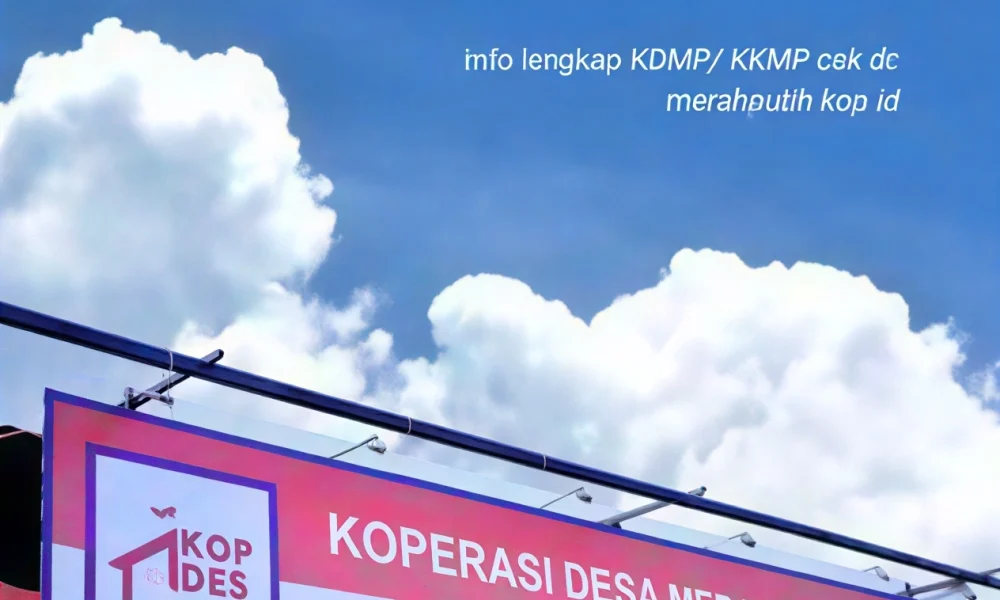
Indonesia will expand the role of the Red and White Rural Cooperative (KDMP/KKMP) to distribute government aid and subsidized goods. The cooperative will also purchase farmers’ produce when market prices fall. Ministers say the policy aims to shorten supply chains and protect rural incomes. It should return more economic benefits directly to village communities.
Thekabarnews.com—The Indonesian government will position Red and White Rural Cooperatives (KDMPKKMP) as distribution centers for social assistance and subsidized goods. At the same time, they will require these cooperatives to purchase agricultural produce when market prices decline.
Coordinating Food Minister Zulkifli Hasan announced the policy after a meeting at the Presidential Palace complex in Jakarta. This meeting occurred on Wednesday, July 15.
Zulkifli said the KDMP should not operate merely as village supermarkets. The cooperatives will serve as government infrastructure connecting national economic programs directly with rural communities.
Under the plan, social assistance, subsidized fertilizer and other government-supported goods will gradually move through village cooperatives.
The government expects this system to make beneficiaries easier to identify while shortening distribution chains.
KDMP will also operate as an offtaker. This means it can purchase crops directly from farmers when market prices fall below government reference levels.
“If the price of the rice is below the standard we set, then the cooperative can take over and buy the rice, corn and so on,” Zulkifli said.
His statement means that cooperatives could step in to purchase unhusked rice, corn and other commodities. They may do so when prices drop below the government’s benchmark.
The intervention aims to prevent farmers from making distress sales to intermediaries at unprofitable prices. Tirto documented Zulkifli’s remarks and the planned functions of KDMP.
Villages and Regional Development Minister Yandri Susanto said the government would engage approximately 10 village associations. This should strengthen local understanding and oversight of the program.
Yandri said local stakeholders must understand how KDMP can benefit villages because the program uses village funds. He projected that successful operations would generate a multiplier effect through local employment, cooperative revenue and stronger agricultural markets. There would also be increased economic activity.
The government originally established 80,081 KDMP and urban cooperative legal entities in July 2025. Their operational readiness varies by region.
An official Coordinating Food Ministry report recorded 9,294 completed cooperative facilities as of May 16, 2026. Of those, 1,061 had begun operating simultaneously, while the government targeted 30,000 fully operational cooperatives by August 16.
Data from the KDMP Information System showed Rp56.69 billion in transactions from 53,817 recorded transactions as of July 13. This figure is according to Detik.
Fertilizer dominated the network’s recorded sales. NPK Phonska generated Rp15.09 billion, while urea fertilizer accounted for Rp11.27 billion. Together, the two products contributed nearly half of the reported transaction value.
President Prabowo Subianto has directed the government to channel subsidized goods through KDMP.
“All subsidized items must be delivered to the residents through the Red and White Rural Cooperatives,” Prabowo said at the 79th National Cooperative Day celebration on July 12, according to the BPKP.
The figures show early activity, but they do not yet establish the program’s long-term profitability or nationwide impact. Its success will depend on transparent management, reliable supply chains, local participation and consistent oversight of village funds.




No Comment! Be the first one.