



Who is Tareena Shakil? From ISIS to TikTok advice
Tareena Shakil, a British TikTok creator, is rebuilding her public life after serving time for joining Islamic State in Syria. Now she shares relationship advice. Her case involving her toddler son...

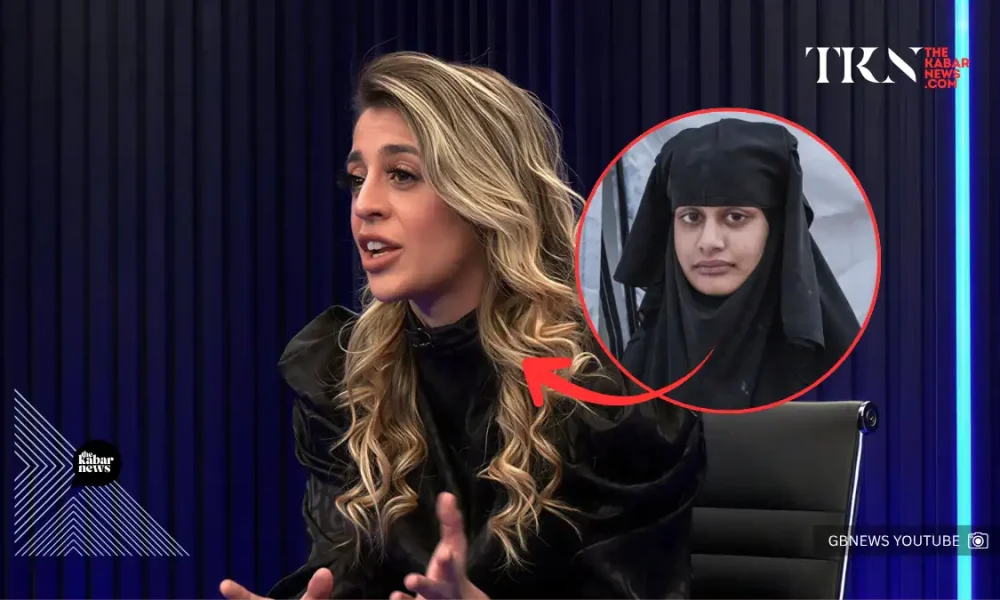
Tareena Shakil, a British TikTok creator, is rebuilding her public life after serving time for joining Islamic State in Syria. Now she shares relationship advice. Her case involving her toddler son is a stark British example of online radicalization and criminal accountability. Moreover, her story highlights rehabilitation and the difficult debate over second chances after extremism.
Thekabarnews.com—Now Tareena Shakil is an online relationship adviser, promoting self-respect, emotional recovery, and better dating choices. The TikToker from Burton upon Trent, Staffordshire, has a backstory that placed her at the center of one of Britain’s most closely watched terrorism trials.
Shakil left the UK in October 2014, aged 24, and traveled through Turkey into Syria with her one-year-old son. Prosecutors later proved she joined Islamic State, also known as ISIS. At the time, the militant group was in control of territory across Syria and Iraq.
”Everyone had different reasons for going. I met some lovely people there. But some people did go because they’re nasty, violent thugs who want to kill people,” Tareena Shakil said, as quoted by The Times.
Reports said Shakil was in a guarded house in Gaziantep in southern Turkey with other women waiting for transportation before crossing the border. She thought of leaving. She found the building’s exit had been locked. The next morning she and her child were ferried into Syria.
Shakil spent about three months in Islamic State-held territory. Later she fled with her son, crossed into Turkey, and spent several weeks in detention before returning to Britain. Police detained Shakil when she arrived at Heathrow Airport.
In 2016, a jury at Birmingham Crown Court convicted Shakil of being a member of the Islamic State. The jury also convicted her, as reported by VOA News, of encouraging acts of terrorism through messages and social media activity.
At the trial, the prosecution showed photographs of her toddler beside an assault rifle and dressed in clothes emblazoned with the group’s insignia.
The judge dismissed her argument that she had not joined the organization voluntarily. The judge also chastised her for repeatedly lying to investigators and the court.
The court sentenced her to six years in prison: four years for ISIS membership and two years for encouraging acts of terrorism. The court also ordered her to obey terrorism-notification requirements. These would force her to provide police with personal information for 15 years after her release. The Guardian’s modern court report recounted the conviction and sentencing.
Shakil was released after serving half of her sentence, including remand. She later underwent therapy, domestic-abuse programs, and deradicalization work, trying to re-establish contact with her son.
Since then, Shakil has built an online presence as “Tam Tam,” sharing content about divorce, self-worth and relationships. A recent profile in The Guardian said she remains under police surveillance until 2034.
“I was the only UK Isis bride sent to prison. Now I’m an influencer,” Shakil remarked.
Yet her journey from ISIS convict to social-media adviser is still a thorny case study in radicalization, rehabilitation, public accountability, and whether those convicted of extremist offenses can ever earn a second chance.






No Comment! Be the first one.