



Indonesia’s July inflation eases to 2.88%, BPS says
JAKARTA, thekabarnews.com—Indonesia’s annual inflation slowed to 2.88% in July 2026. This returned inflation closer to the midpoint of the government’s target range as consumer prices declined...

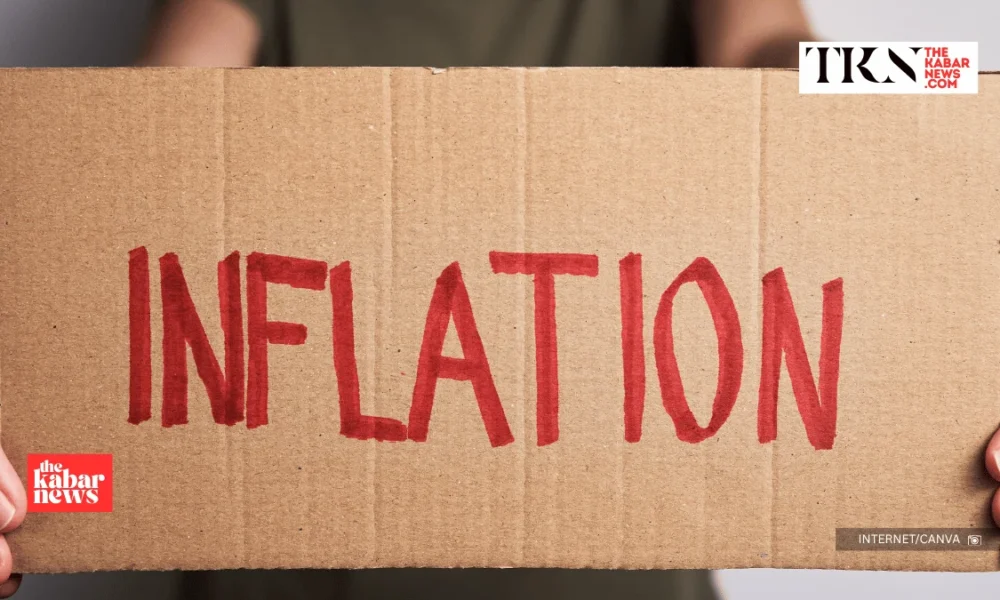
JAKARTA, thekabarnews.com—Indonesia’s annual inflation slowed to 2.88% in July 2026. This returned inflation closer to the midpoint of the government’s target range as consumer prices declined slightly from the previous month.
Statistics Indonesia (BPS) announced the latest figures during a news conference at its headquarters in Central Jakarta on Monday, August 3.
The Consumer Price Index (IHK) rose from 108.60 in July 2025 to 111.73 in July 2026.
“On a year-on-year basis, inflation was 2.88% in July 2026. This reflected an increase in the Consumer Price Index from 108.60 in July 2025 to 111.73 in July 2026,” BPS Deputy for Distribution and Services Statistics Ateng Hartono said.
Annual inflation eased by 0.46 percentage points from the 3.34% recorded in June. The official BPS data for June placed the CPI at 111.89.
The largest contributions to annual inflation came from three spending groups.
Food, beverages and tobacco recorded an inflation of 2.97% and contributed 0.87 percentage points to the national rate. That made it the largest contributor.
Fresh fish, cooking oil, rice, machine-made kretek cigarettes, chicken meat, red chilies, beef and hand-rolled kretek cigarettes drove price increases within the group.
Transportation prices rose 5.12% and contributed 0.62 percentage points. BPS identified gasoline, airfares, cars, engine lubricants and motorcycles as the group’s main inflationary drivers.
Personal care and other services registered the highest inflation rate among the three leading groups. These rose 9.04% and contributed 0.61 percentage points. Higher gold jewelry prices largely drove the increase.
BPS reported annual inflation in every Indonesian province, although rates varied significantly between regions.
“All provinces recorded annual inflation. The highest rate was in West Papua at 5.47%. The lowest was in South Papua at 1.46%,” Ateng said.
West Papua’s rate stood nearly twice as high as the national figure. This indicated that households faced different price pressures across the archipelago.
Despite the annual increase, Indonesia recorded monthly deflation of 0.14% in July. The CPI declined from 111.89 in June to 111.73 in July.
The two figures measure different periods. Annual inflation compares prices with July 2025, while monthly deflation compares them with June 2026.
Consumers paid more on average than a year earlier, although prices fell slightly in July.
The July annual rate remained within the government and Bank Indonesia’s 2026 inflation target of 2.5%. There was also a tolerance band of one percentage point—or 1.5% to 3.5%.
The government and central bank reaffirmed that target in January as part of their national price-stability strategy.
Bank Indonesia has pledged to coordinate food supplies and inflation control measures with central and regional governments.




No Comment! Be the first one.