



Pontianak starts Rp1.7 trillion wastewater project
PONTIANAK, thekabanews.com—The Pontianak city administration and Public Works Ministry have started physical work on a centralized domestic wastewater management system (SPALD-T) valued at about...

News Summary
- The Pontianak wastewater project (SPALD-T) is valued at Rp1.7 trillion and aims to improve sanitation infrastructure in West Kalimantan.
- Construction began on August 19 and will develop a centralized domestic wastewater management system by 2030.
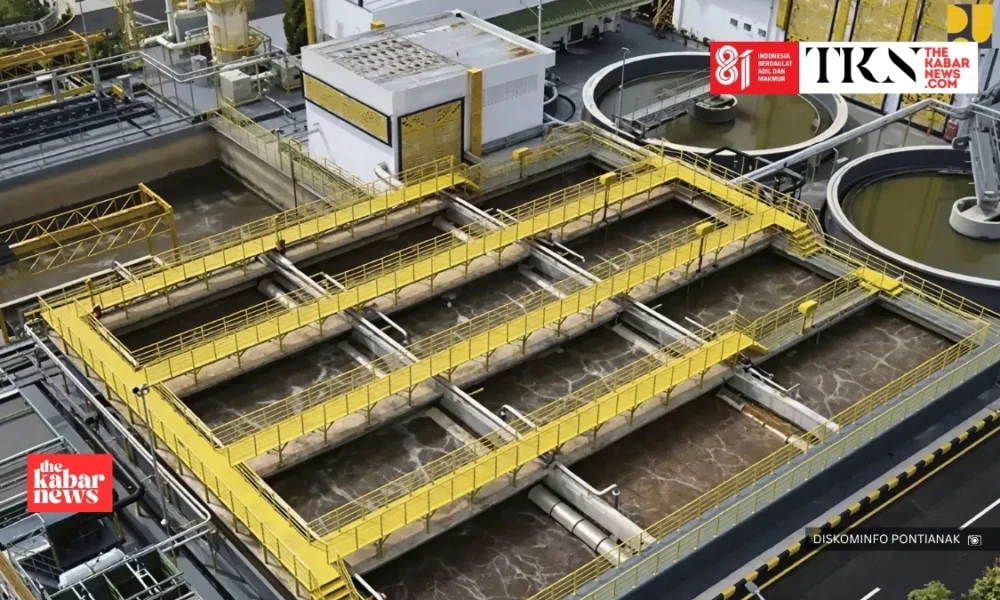
- The system will collect wastewater through an underground sewer network and treat it at facilities in Nipah Kuning and Martapura.
- Challenges include soft, peat-dominated ground, a high groundwater table, and traffic disruption across 22 roads during construction.
- The project is part of a larger Citywide Inclusive Sanitation Project, supported by a US$419.6 million ADB loan.
PONTIANAK, thekabanews.com—The Pontianak city administration and Public Works Ministry have started physical work on a centralized domestic wastewater management system (SPALD-T) valued at about Rp1.7 trillion. This marks a major expansion of the sanitation infrastructure in the capital of West Kalimantan.
Officials launched the construction phase of the SPALD-T project at an event in Pontianak on Wednesday, August 19. The city plans to develop the system in stages through 2030.
SPALD-T will collect wastewater from participating homes, public buildings and businesses through an underground sewer network.
The system will then convey the wastewater to treatment facilities in Nipah Kuning and Martapura. Afterward, operators will discharge treated effluent in accordance with environmental standards.
The project aims to reduce the amount of untreated domestic wastewater entering local drains, waterways and the Kapuas River. It also seeks to lower health risks linked to unsafe sanitation and contaminated groundwater.
Pontianak Mayor Edi Rusdi Kamtono said engineers faced difficult construction conditions because the city stands on soft, peat-dominated ground. It also has a high groundwater table.
“We will install the primary pipelines at depths of six to 12 meters using open excavation and jacking methods,” Edi said after the project’s kick-off event at the Ibis Hotel.
“The challenges involve not only soft, peat-dominated soil but also the high groundwater table and extremely limited space along major roads,” he added.
Contractors will place much of the network within existing road corridors. This will limit the need for additional land acquisition along the pipeline route.
Construction is expected to affect traffic across 22 roads, including logistics corridors, commercial districts and densely populated neighborhoods.
The planned routes include sections of Komyos Sudarso, Pelabuhan Rakyat, Tanjungpura, Ir. Juanda, Gajah Mada and Jenderal Urip roads.
Work is also expected around Siam, Hijas, Setia Budi, Ketapang, Nusa Indah, Karet, Yuka Complex, Alpokat Permai Alley and Atot Achmad Road.
The city administration will need to coordinate traffic diversions, construction hours and access to homes and businesses as work advances.
Roads serving the port and freight vehicles require particular attention because prolonged closures could disrupt logistics.
Pipe-jacking technology allows contractors to install sections beneath roads with less surface excavation. Launch shafts, equipment areas and open-cut sections may still cause temporary congestion.
The Pontianak system forms part of the Citywide Inclusive Sanitation Project. This project also covers Semarang in Central Java and Mataram in West Nusa Tenggara.
The ADB approved a US$419.6 million loan to support climate-resilient and safely managed sanitation across the three cities.
ADB reports only about 7 percent of Indonesian households had access to safely managed sanitation when it approved the financing. However, approximately 77 percent had basic sanitation facilities.
The distinction is important because basic access does not always guarantee that wastewater or septic waste receives safe treatment.
Pontianak previously reported that just over 15 percent of the city had access to connected sanitation services. To support the new network, the municipal government has prepared land, local regulations and a project-management unit, according to official city information.
Authorities have asked residents and businesses along the construction routes to prepare for temporary disruption.
The project’s long-term impact will depend not only on completing the underground network and treatment plants. It will also depend on connecting properties, maintaining the system and ensuring that treated wastewater consistently meets environmental requirements.



No Comment! Be the first one.