



Indonesia’s micro-firms still lag in digital payments
JAKARTA, thekabarnews.com—Most Indonesian microbusiness owners have access to bank accounts but only a small proportion accept digital payments from customers. This is highlighting a persistent gap...

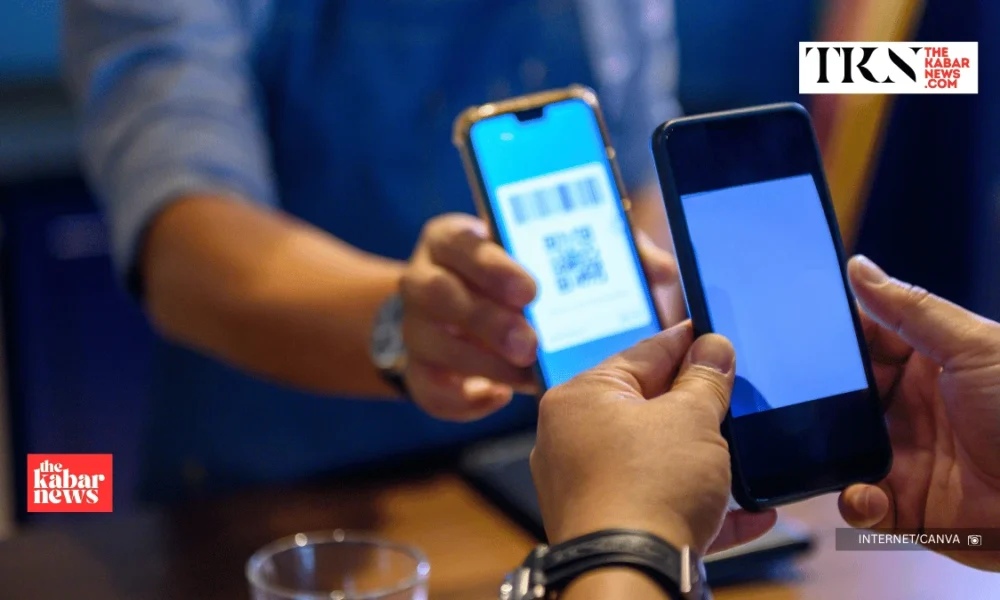
JAKARTA, thekabarnews.com—Most Indonesian microbusiness owners have access to bank accounts but only a small proportion accept digital payments from customers. This is highlighting a persistent gap between financial access and everyday business use.
The World Bank outlined the disparity in its February 2026 report, Reforms for a Formal and Prosperous Indonesia.
The report analyzed the nationally representative 2023 Worker and Enterprise Household Survey (WEHS), which covered 5,000 households. It also included a dedicated sample of 2,500 households operating microenterprises.
The survey found that about 62% of microenterprise owners had personal bank accounts. Only 14% accepted customer payments through bank transfers, while just 4% received payments through QR codes or electronic money.
The finding refers to owners’ personal bank accounts, not accounts registered under their business names.
“Access to finance and digital tools remains exceptionally low across Indonesia’s informal sector,” the World Bank report said.
The World Bank identified costs, limited knowledge and security concerns as major barriers to wider adoption.
Among microbusiness owners without bank accounts, 53% cited minimum-balance requirements and maintenance fees.
Only 15.7% reported owning a mobile wallet account. Of those who did not use digital wallets or other financial technology services, 55% said they found the services confusing.
Concerns about fraud also weakened confidence in digital financial services. Around 90% of fraud cases recorded in the surveys went unreported to any authority. Victims reported fewer than 1% of cases through dedicated services run by the Financial Services Authority or Bank Indonesia.
The report recommended stronger public education, simpler fraud-reporting channels and visible follow-up from financial institutions and regulators.
The World Bank report does not state that 48% of respondents restricted QRIS payments to avoid tax monitoring. The report also provides no evidence that 40% believed the government would waste or misuse their taxes through corruption.
The survey results reflect microenterprise behavior in 2023. Readers should distinguish the survey results from Indonesia’s more recent national QRIS enrollment figures.
Bank Indonesia reported that QRIS had reached well over 45 million merchants and 63 million users by April 2026. Micro, small and medium enterprises accounted for most registered merchants.
QRIS transaction volume subsequently increased by 100.12% year-on-year in the second quarter of 2026. This is according to Bank Indonesia’s latest monetary policy report.
The two datasets measure different developments. Bank Indonesia records the expansion of QRIS users, merchants and transactions. The World Bank survey examined whether microbusiness owners actually received customer payments through digital channels.
The findings suggest that expanding registration alone will not eliminate cash dependence. Authorities and payment providers must also promote financial literacy. This lowers participation costs and protects consumers, encouraging businesses to use digital payments routinely.






No Comment! Be the first one.