



Indonesia appointed vice chair of China-led global poverty alleviation alliance
Thekabarnews.com—Indonesia has officially secured one of the vice chair positions in the Global Partnership for Poverty Alleviation and Development (GPPAD). This is a multilateral initiative. China...

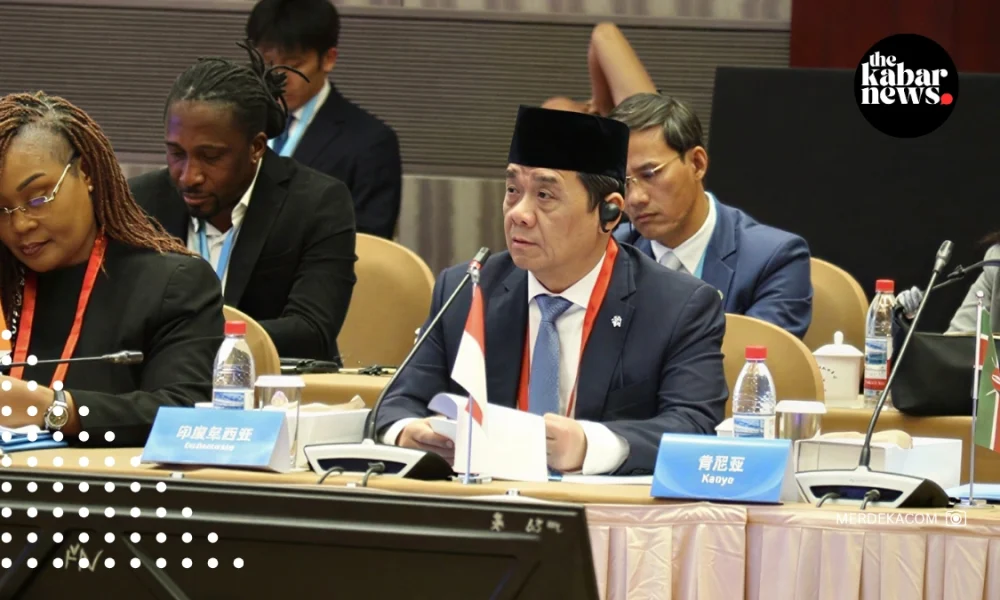
Thekabarnews.com—Indonesia has officially secured one of the vice chair positions in the Global Partnership for Poverty Alleviation and Development (GPPAD). This is a multilateral initiative. China and dozens of countries and international organizations jointly launched the initiative to accelerate global poverty reduction efforts.
The appointment places Indonesia among emerging economies like Brazil, Pakistan, South Africa, Côte d’Ivoire, and Uzbekistan. These countries will help chart the alliance’s global development agenda.
The announcement was made at the first GPPAD Committee meeting in Beijing. There, representatives from Indonesia highlighted the country’s commitment to inclusive development and community-based economic growth.
Deputy Minister of Villages, Development of Disadvantaged Regions Ahmad Riza Patria underlined that development centered on villages is a strategic approach to reducing poverty. Moreover, this method drives sustainable economic growth.
“Development must also start in villages because villages are centers of food production, local economic activity, and the livelihoods of millions of people,” Riza said during the meeting, as cited in ANTARA.
Indonesia’s choice reflects growing international appreciation for its development policies. In particular, this is seen in policies aimed at building up rural economies and improving social welfare.
Since the Prabowo Subianto administration took office, the government has expanded several programs to increase economic opportunities and public services at the grassroots level.
The initiatives include plans to set up some 83,000 village cooperatives and the development of 5,000 “Red and White Fishermen Villages.” Additionally, there is an expansion of free health screening programs. The government is also providing nutritious meals for millions of schoolchildren across the country.
According to officials, the programs can help bridge regional development gaps and raise living standards in rural communities.
Indonesia also is keen to learn from the Chinese experience in poverty alleviation. This experience has attracted the world’s attention for its successful lifting of hundreds of millions of people out of poverty in the past decades.
Indonesian officials said areas of interest include administrative systems, implementation strategies, program monitoring mechanisms, and local governance models.
China, together with 53 countries and nine international organizations, initiated the GPPAD initiative.
The partnership aims to enhance global collaboration to tackle one of the world’s most pressing problems.
Despite decades of global economic growth, international development estimates suggest that there are still around 800 million people worldwide who remain in poverty.
The calls from development experts for cross-border cooperation, knowledge sharing, and sustainable economic policies to quicken poverty reduction efforts are growing louder.
The elevation of Indonesia to a leadership role in GPPAD also underscores the country’s increasing sway in international development talks. In addition, this highlights its influence in South-South cooperation.
Jakarta has been increasingly seeking to play a more active role in global governance. Especially, this is true on issues related to economic development, food security, climate resilience, and poverty alleviation.
Indonesia, as the new vice chair of the alliance, is expected to bring its expertise in rural development to shape international strategies. These strategies will improve the lives of millions in the developing world.





No Comment! Be the first one.