




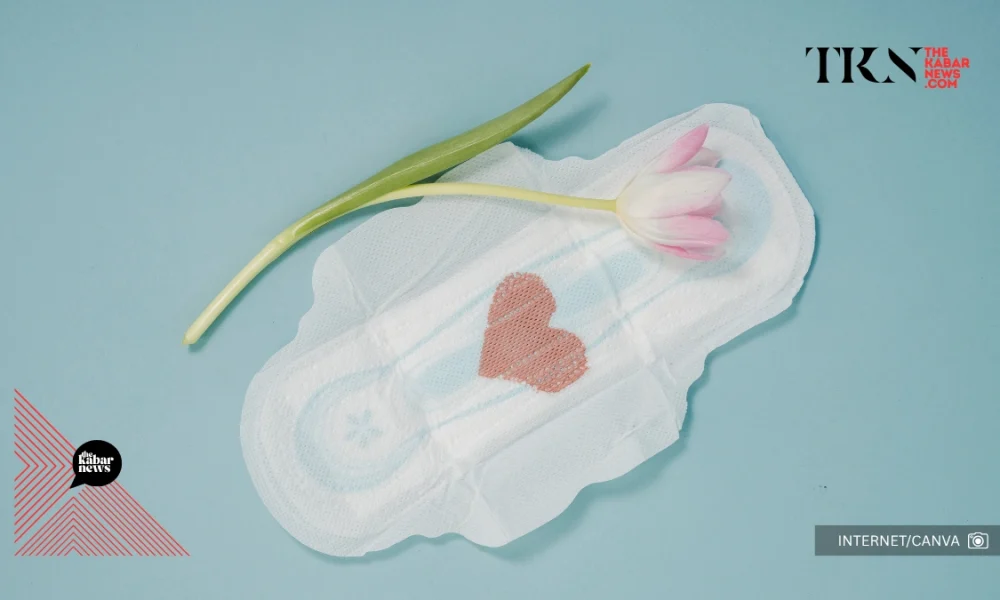
Thekabarnews.com—Millions of women every month experience a biological process that many people misunderstand or dismiss as an overreaction. Comments like “it’s just your period” continue to trivialize an experience that encompasses complicated hormonal, physical, and emotional changes.
Modern science has shown us that menstruation is a lot more than a monthly bleed. It is a complicated biological process. The cycle is a result of hormonal changes that affect not just the reproductive system but mood, energy, and cognitive performance too.
Long before medical study began to explain these changes, Islamic traditions already recognized menstruation as a normal ailment. They viewed it as needing understanding and compassion, not shame.
There is a dramatic drop in the levels of the hormones estrogen and progesterone during menstruation. Studies have shown that these hormonal changes might impact neurotransmitters that help regulate mood. Consequently, these findings may explain why some women experience more emotional sensitivity, weariness, irritation, or a decline in mental energy during this part of the menstrual cycle. The severity and pattern of symptoms are highly variable from person to person.
Psychology increasingly sees these emotional fluctuations not as a sign of weakness but as natural physiological responses. Menstruation is a time when emotional awareness might heighten. As a result, some women may have more access to introspection about their feelings and personal well-being. It is equally vital to recognize that not all women experience menstruation in the same way.
Unfortunately, social prejudices tend to depict women who are on their periods as “overly emotional” or “difficult.” However, these kinds of beliefs ignore the biological processes going on in the body. They can inhibit empathy when understanding can make a real difference.
In today’s fast-paced society, where productivity often takes precedence, menstruation serves as a reminder to prioritize self-care and listen to your body. Rest, self-care and emotional balance are not symptoms of weakness. Rather, they are essential parts of maintaining overall wellness.
Islamically, menstruation is not a punishment, nor is it something to be ashamed of. The Quran refers to menstruation as “adha”—usually translated as a state of discomfort or hardship. Importantly, it provides practical instruction against social censure.
In Surah Al-Baqarah (2:222), the Quran says:
وَيَسْـَٔلُونَكَ عَنِ ٱلْمَحِيضِ ۖ قُلْ هُوَ أَذًۭى فَٱعْتَزِلُوا۟ ٱلنِّسَآءَ فِى ٱلْمَحِيضِ ۖ وَلَا تَقْرَبُوهُنَّ حَتَّىٰ يَطْهُرْنَ ۖ فَإِذَا تَطَهَّرْنَ فَأْتُوهُنَّ مِنْ حَيْثُ أَمَرَكُمُ ٱللَّهُ ۚ إِنَّ ٱللَّهَ يُحِبُّ ٱلتَّوَّٰبِينَ وَيُحِبُّ ٱلْمُتَطَهِّرِينَ
“And they ask you about menstruation. Say, “It is harm, so keep away from wives during menstruation. And do not approach them until they are pure. And when they have purified themselves, then come to them from where Allāh has ordained for you. Indeed, Allāh loves those who are constantly repentant and loves those who purify themselves.”
Islam does not degrade women; it acknowledges their special condition during menstrual periods. It exempts them from some forms of worship, such as fasting and ritual prayers. These provisions are an expression of sympathy and recognition of the physical toll many women go through at this time.
The combination of science and faith has one critical message to teach: menstruation is a natural and healthy biological function. In many women, it is an indicator that their reproductive system is operating normally. Just as importantly, it serves as a reminder to society that physical and emotional health are equally worthy of acknowledgment.
The first step in breaking the stigma of menstruation is to replace misunderstandings with knowledge. Menstruation is not a fault to hide or a weakness to mock, whether viewed through medicine or faith. It is part of life and needs empathy, respect and more public awareness.
……….
Do you have an opinion on the issues that are happening right now? If you would like to submit your article by email to thekabarnews@gmail.com or redaksi@thekabarnews.com





No Comment! Be the first one.