



Keiko Fujimori wins Peru presidential election after closely contested runoff
LIMA, Thekabarnews.com—Peru’s electoral body on Friday officially certified Keiko Fujimori as the winner of the country’s presidential runoff election. This confirmed her triumph after weeks of...

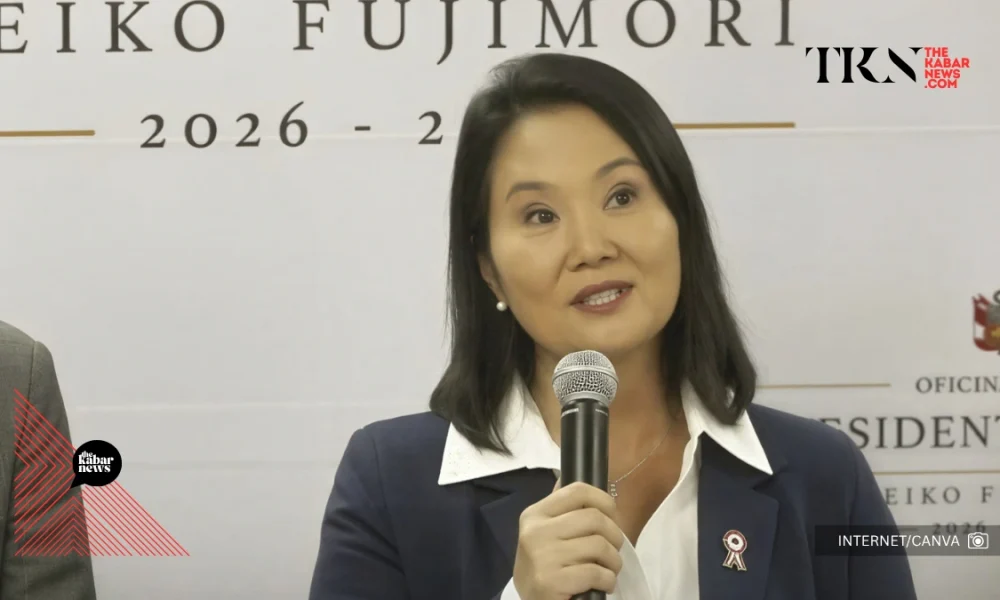
LIMA, Thekabarnews.com—Peru’s electoral body on Friday officially certified Keiko Fujimori as the winner of the country’s presidential runoff election. This confirmed her triumph after weeks of uncertainty following one of the closest elections in recent Peruvian history.
Fujimori, who heads the conservative political organization and is the eldest daughter of former President Alberto Fujimori, defeated left-wing contender Roberto Sanchez. Sanchez is a former minister of foreign trade and tourism. In the June 7 runoff, Fujimori won the presidency.
The news marked the end of weeks of anticipation as election authorities concluded the vote-counting process. An unusually thin margin separated the two contenders and decided the campaign.
Soon after the official pronouncement, Fujimori took to social media to celebrate her triumph. She thanked millions of Peruvians who supported her during the election campaign.
Fujimori expressed her gratitude to the millions of Peruvians who had placed their trust in her. She committed to strive for national unity and to address the country’s critical difficulties.
Fujimori is due to take the presidential oath of office on July 28, during Peru’s Independence Day celebrations. She will usher in a new administration when sworn in. Meanwhile, the South American country is still dealing with extended political upheaval and economic uncertainty.
One of Fujimori’s first goals will be to restore political stability after years of institutional upheaval.
Peru has gone through an extraordinary era of political turmoil. There have been eight presidents in the preceding decade, mostly driven by impeachment processes and changes in leadership. Furthermore, corruption scandals have destroyed public confidence in government institutions.
The president-elect will also need to carefully balance foreign policy. Peru is a major trading partner of China and has strong economic ties to Beijing. However, it is also eager to maintain its strategic alliance with the United States under President Donald Trump.
Maintaining links with both global powers would be vital for Peru’s economic progress. This is especially true as exports of minerals and agricultural products remain central to the country’s economy.
Changes in international trade policy or geopolitical tensions could have a substantial impact on Peru’s export-led sectors. Changes in the foreign investment climate could affect Peru’s economy.
Fujimori is also likely to put a major priority on economic recovery. The incoming administration’s policy direction, particularly regarding investment, infrastructure development, budget management and measures to build investor confidence.
The election result closes a bitter campaign that exposed profound political divisions inside Peru. Fujimori’s supporters celebrated the official results. Yet the new president inherits a nation wanting more political stability, stronger economic growth, and renewed public confidence in democratic institutions.
As Fujimori prepares to assume office later this month, attention will shift increasingly away from the election itself. Instead, it will turn toward how her administration will grapple with Peru’s long-standing governance difficulties in an ever more complicated international context.




No Comment! Be the first one.