


Javier Bardem and Cate Blanchett launch AI consent platform for artists
Thekabarnews.com – Academy Award-winning actor Javier Bardem has joined forces with Cate Blanchett and a host of prominent Hollywood figures to launch a new initiative to help artists protect...

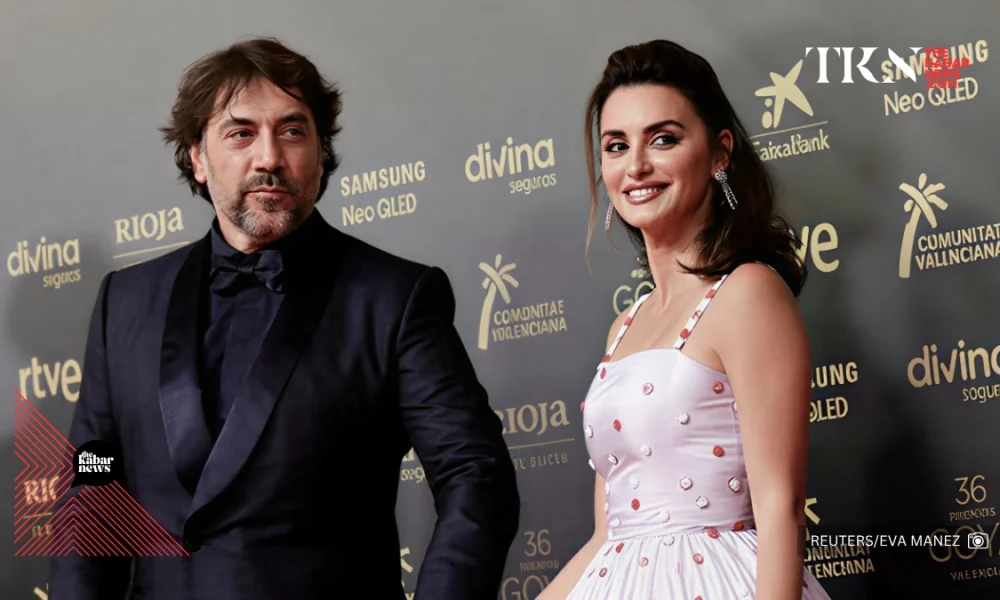
Thekabarnews.com – Academy Award-winning actor Javier Bardem has joined forces with Cate Blanchett and a host of prominent Hollywood figures to launch a new initiative to help artists protect their identities and creative works from unauthorized use by artificial intelligence (AI).
The project will create a website, rslmedia.org, where artists can formally state whether they agree to having their likeness, voice, movements, performances, or creative ideas used to generate AI content.
Bardem has spoken repeatedly about AI’s fast-moving nature, claiming the technology can manipulate reality and make it difficult to tell what is real and what is artificially created.
His latest involvement is a reflection of a growing concern across the entertainment industry about the impact of generative AI on intellectual property, artistic ownership, and performers’ rights.
Cate Blanchett co-founded the platform with Nikki Hexum, Doug Leeds, and Eckart Walther. The founders say the system functions as a human consent identifier, letting creators explicitly state how, or if, they want their AI developers or third parties to use their personal attributes and creative material.
Other internationally renowned actors joining Bardem and Blanchett in the initiative include Meryl Streep, Emma Thompson, Helen Mirren, Kristen Stewart, George Clooney, Viola Davis, and Tom Hanks.
The involvement of so many Oscar-winning performers highlights the entertainment industry’s increasing interest in setting ethical guidelines for AI.
Concerns about AI are growing as generative technologies become better at recreating realistic voices, facial expressions, performances, and digital likenesses with minimal human input.
There have been many artists who have called for stronger legal protections and more transparent consent processes to prevent technology companies from replicating or commercializing a person’s identity without their express permission.
Advocates of the new platform argue that as AI continues to reshape creative industries like film, TV, music, publishing, and digital media, consent should be a core tenet.
They think that creators should have real control over how technology uses their intellectual property and their personal identity.
The move also comes amid broader conversations happening within the global entertainment industry following recent labor negotiations with actors’ and writers’ unions, many of which cited AI regulation as one of their top priorities.
Industry groups are increasingly calling for clear standards around digital replicas, voice cloning, and AI-generated performances.
The founders hope to create a working framework by establishing a central registry of consent preferences that technology companies, production studios, and content creators can consult before including AI-generated depictions of artists.
It is another layer of protection that reinforces transparency and respect for creators’ rights, even if the platform does not supplant copyright or existing contractual protections.
The world is going through a creative production revolution thanks to AI, and the likes of rslmedia.org are examples of Hollywood’s growing drive to achieve the correct equilibrium between technological advancement and ethical accountability.
As AI becomes an even greater force in the future of entertainment, Bardem and his fellow artists say it’s essential to protect human creativity and individual consent.



No Comment! Be the first one.