



Taliban declares puberty as basis for marriage eligibility in Afghanistan
Thekabarnews.com—The Taliban have unveiled controversial new marriage rules in Afghanistan that critics say amount to a de facto legalization of child marriage by eliminating a set minimum marriage...

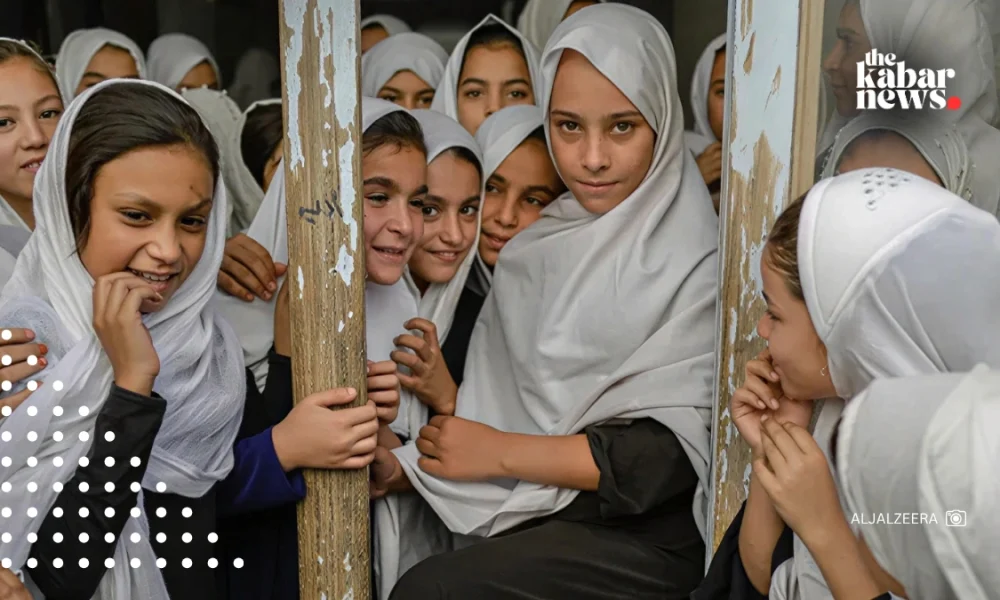
Thekabarnews.com—The Taliban have unveiled controversial new marriage rules in Afghanistan that critics say amount to a de facto legalization of child marriage by eliminating a set minimum marriage age for girls.
According to the official document titled “Principles of Separation Between Spouses,” the current legal system under the Taliban links a girl’s eligibility for marriage to the onset of puberty, rather than to any specific age.
International human rights groups, women’s rights advocates, and legal observers criticized the policy, warning that the changes could expose young girls to forced and underage marriages.
One of the document’s most controversial sections states that authorities can interpret the silence of a “virgin girl” who has reached puberty as consent to marriage.
The policy undermines internationally recognized standards of personal consent and childhood protection.
Afghanistan’s Civil Code of 1977 had set the legal age of marriage at 16 for girls and 18 for boys before the Taliban returned to power in 2021.
Previously, girls under 16 could only marry with the consent of a father or a judge.
By changing the legal basis from age to puberty, the Taliban has effectively removed formal minimum-age protections for girls, as reported by The Times.
Human rights groups have warned the move could fuel child marriage in a country already struggling with deep economic hardship, restrictions on education, and deteriorating conditions for women and girls.
Since the Taliban retook control of Afghanistan, international organizations have repeatedly expressed concern over the group’s policies on women.
The Taliban has already imposed severe restrictions on women’s education, employment, public participation, and freedom of movement.
Authorities still bar girls from secondary schools and universities in most parts of the country, while many women have lost access to public-sector and professional jobs.
The new marriage regulations are further entrenching the erosion of women’s rights and legal protections.
But Taliban say the policies are consistent with their interpretation of Islamic law and Afghan cultural traditions.
Taliban leaders have always claimed that their model of governance is religiously based, not on Western legal standards. Child marriage is a very sensitive subject at the international level.
International health and human rights organizations report that early marriage often raises the risks of maternal health, domestic violence, interrupted education, and long-term poverty.
Basic protections for minors include clear standards for consent and minimum ages for marriage.
The recent policy shifts have heightened the call for more international engagement to address the plight of women and children in Afghanistan.
Rights groups are calling on the international community to step up diplomatic pressure and humanitarian advocacy to protect Afghan girls from forced and underage marriage.
Afghanistan still faces political isolation and humanitarian challenges, while the debate over women’s rights remains one of the most closely watched issues under Taliban rule.
The controversy is more than just about the law. It is part of a bigger battle for the future of freedom, education, and protection for Afghan women and girls.



No Comment! Be the first one.