



Why did students with disabilities visit the palace?
Students with hearing, intellectual, and physical disabilities visited the “Palace for Schoolchildren” program in Jakarta, Indonesia, on July 16. The inclusive visit gave them a glimpse of the...

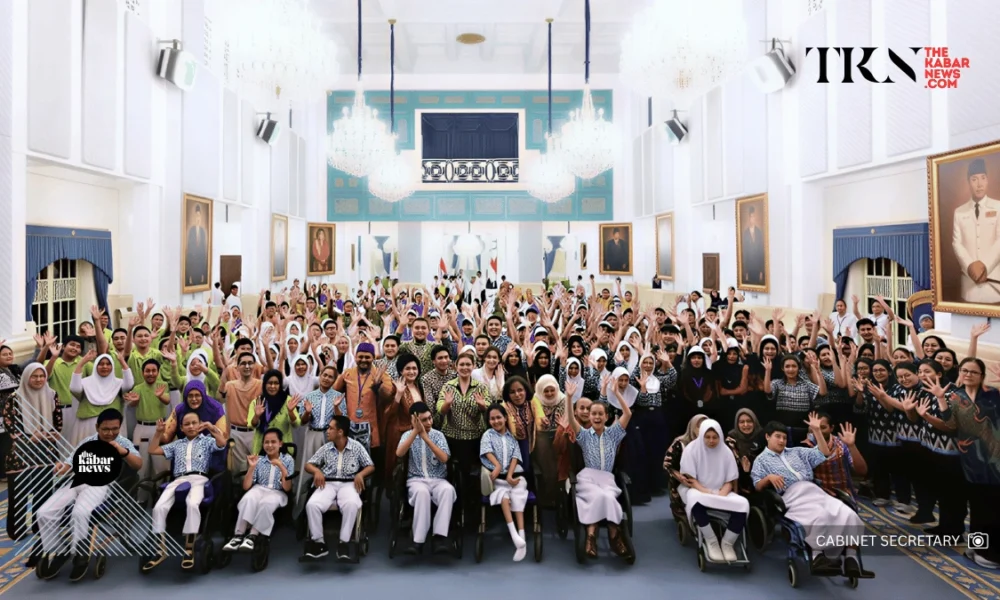
Students with hearing, intellectual, and physical disabilities visited the “Palace for Schoolchildren” program in Jakarta, Indonesia, on July 16. The inclusive visit gave them a glimpse of the presidential palace and national history. It reinforced the government’s message that every Indonesian child is entitled to equal opportunities to learn, contribute, and freely pursue ambitious dreams.
JAKARTA, Thekabarnews.com—More than 160 students with disabilities visited the Jakarta Presidential Palace on Thursday (July 16) under the government’s “Palace for Schoolchildren” program. This program aims to bring young Indonesians closer to the country’s history and institutions.
164 students from the Indonesian Disability Institute (INDISI) participated in the visit, said Cabinet Secretary Teddy Indra Wijaya. The group included students with hearing, intellectual, and physical disabilities.
“The younger siblings with hearing, intellectual, and physical disabilities came with profound eagerness to get to know the Jakarta Presidential Palace. Additionally, they were keen to learn the history of the nation more closely,” Teddy said in a written statement reported by Metro TV.
Students with hearing, intellectual, and physical disabilities came with immense enthusiasm to learn more closely about the Jakarta Presidential Palace. They showed interest in the nation’s history.
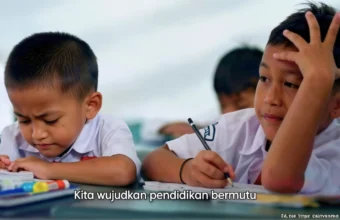
The visit aims to offer learners an inclusive educational experience set in a place associated with Indonesia’s leadership, government, and major national decisions. It also sought to reinforce their belief that disability should never curtail their aspirations. It affirms their ability to contribute to society.
“Today is a reminder that enthusiasm, determination, and dreams have no borders,” said Teddy.
The participants were from seven public and private special-needs schools in Jakarta, namely SLBN 1, SLBN 2, SLBN 6, SLBN 11, SLBN 12, SLB B Pangudi Luhur, and SLB D-D1 YPAC Jakarta, the state secretariat said. Teachers from the participating schools and representatives of INDISI joined the students.
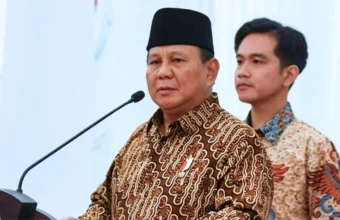
On April 7, 2026, President Prabowo Subianto officially launched the palace education program. Typically, the program invites students who participate to visit historically important rooms. They also take part in discussions and learn how Indonesia’s government functions.
The administration has said it will create similar access at eight presidential palace sites, including facilities outside Jakarta and Java.
The visit also reflects Indonesia’s broader duty to guarantee equal opportunities. Based on the BPK legal database, Law No. 8/2016 obliges the state to protect the rights of people with disabilities. It must provide accessibility and reasonable accommodation without discrimination.
Data from the Ministry of Elementary and Secondary Education show that 181,246 students with disabilities were enrolled in mainstream general, and vocational schools by the end of December 2025. This report highlights the increasing need for accessible learning environments. Furthermore, it emphasizes the demand for specially trained teachers.
“Hopefully this visit will be a memorable experience and build the belief that all Indonesian children have the same potential to dream, learn, create, and serve the nation. Because disability is no obstacle to reaching your dreams,” Teddy said.

No Comment! Be the first one.