



Mexico rejects US pressure, confirms continued oil exports to Cuba
Thekabarnews.com—Mexico will continue to send oil to Cuba, the president of Mexico, Claudia Sheinbaum, said. This decision comes despite increasing pressure from the United States on sanctions and...

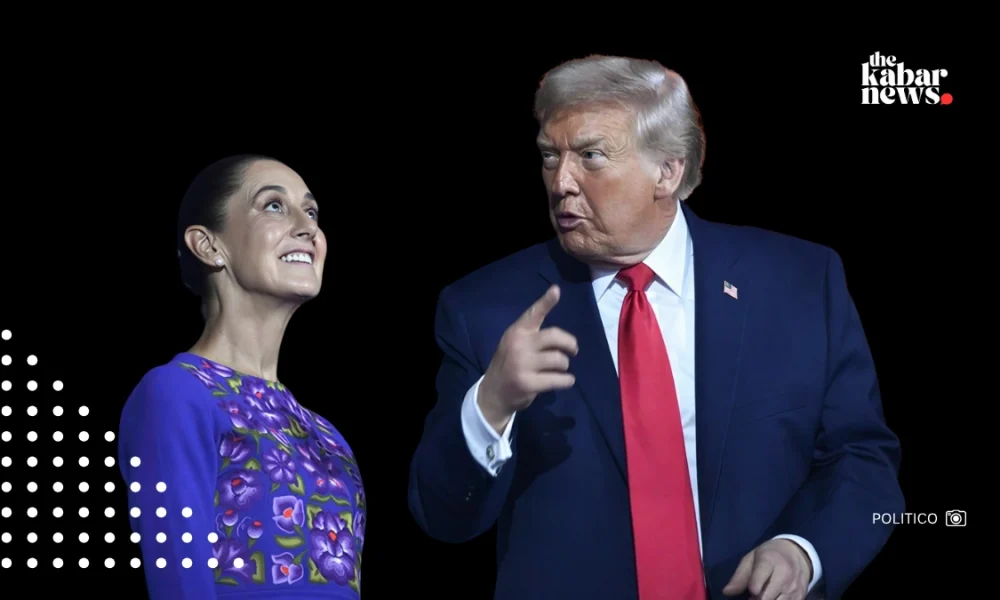
Thekabarnews.com—Mexico will continue to send oil to Cuba, the president of Mexico, Claudia Sheinbaum, said. This decision comes despite increasing pressure from the United States on sanctions and energy policy in the region.
Sheinbaum said her administration will not follow the decades-old U.S. embargo of Cuba when it comes to Mexico’s energy policy.
Instead, she stressed that Mexico would stay on its current course of cooperation. The country will continue to support existing energy agreements with Havana.
The statement immediately drew international attention. This is because it underscores ongoing diplomatic differences between Mexico and the United States on regional policy toward Cuba.
Washington has imposed economic sanctions and trade restrictions on the Cuban government for decades. According to U.S. officials, the measures aim to pressure the island for political reforms.
But a number of Latin American governments remain opposed to the embargo, saying it is ineffective and hurts ordinary Cubans.
Sheinbaum vehemently denied outside efforts to pressure Mexico to change its position, she said.
The Mexican president said her government will not participate in enforcing the embargo. Nor will it decide national policy based on foreign political pressure.
She also stressed that Mexico wants to maintain an independent foreign policy.
It’s an issue that reflects broader tensions over sovereignty, regional diplomacy, and economic cooperation in Latin America.
Historically, Mexico’s diplomatic relations with Cuba have been relatively stable through changes in US administrations and shifting geopolitical conditions.
The energy relationship between the two countries has grown in importance as Cuba continues to experience economic woes. In addition, there are ongoing fuel shortages and infrastructure issues.
Energy cooperation with regional allies is therefore a key part of Havana’s economic survival strategy.
At the same time, Mexico’s action occurs against a backdrop of broader geopolitical realignment in Latin America. In this context, several governments have sought to assert greater autonomy from the influence of U.S. foreign policy.
Sheinbaum’s statements are consistent with her administration’s effort to portray Mexico as a sovereign regional power. The country wants to be considered able to make its own diplomatic and economic decisions.
The issue also could have broader implications for U.S.-Mexico relations. This concern is especially true as Washington closely watches regional energy partnerships and sanctions compliance.
Energy diplomacy has become more sensitive globally as oil supply, sanctions policy, and geopolitical alliances continue to intertwine.
Mexico remains one of the largest oil producers in Latin America and plays a crucial role in the region’s energy markets.
At the same time, Cuba is still grappling with economic pressures associated with international sanctions, inflation, a decline in tourism, and infrastructure shortages.
Sheinbaum’s latest statements thus indicate that Mexico will continue to balance relations with both Washington and Havana. At the same time, the country will defend what it calls an independent foreign policy position.
The move shows how Latin American governments are seeking greater autonomy in managing diplomatic and economic relationships.
As geopolitical tensions continue to influence global energy politics, Mexico’s position on Cuba could become yet another key issue of contention among regional governments. Furthermore, it could be a source of contention with the United States.






No Comment! Be the first one.