



Japan halts Indian mango imports for 2026 after inspection findings
TOKYO, Thekabarnews.com—Japanese quarantine officials suspended India’s fresh mango exports for the 2026 season. They took this step after identifying procedural weaknesses in fumigation and...

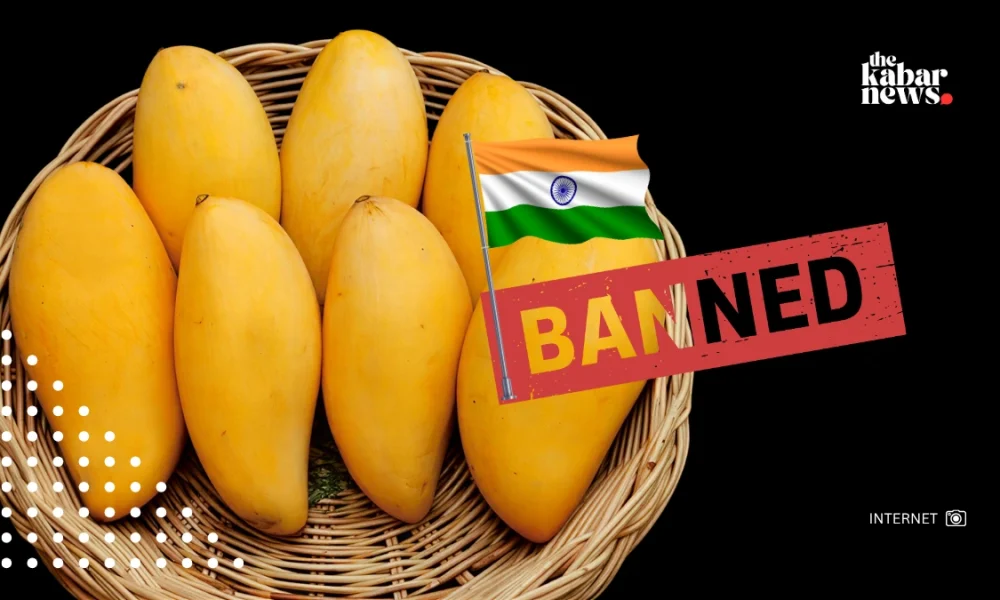
TOKYO, Thekabarnews.com—Japanese quarantine officials suspended India’s fresh mango exports for the 2026 season. They took this step after identifying procedural weaknesses in fumigation and sanitation processes.
The ruling applies to all four of the main Indian mango varieties exported to Japan: Alphonso, Kesar, Langra, and Banganapalli.
The suspension affects the vital export period from April to June. This period is usually the peak season for Indian mango shipments to overseas markets.
Japanese inspectors apparently inspected the Indian treatment facilities in March and subsequently reported deficiencies in quarantine protocols.
The authorities decided that the present fumigation and disinfection measures were not enough. In particular, these steps did not meet Japan’s phytosanitary requirements for imported agricultural products.
Consequently, Japan has halted new mango imports from India for the current season.
The move is a significant setback for exporters and farmers. These groups depend on Japan as a premium overseas market for quality Indian mangoes.
Japan already has some of the world’s strictest import rules for agricultural products, particularly fruits and vegetables.
The country has stringent quarantine conditions to prevent the importation of pests, diseases, and other biosecurity risks. Such risks could threaten domestic agriculture.
Adherence to these standards is a prerequisite for staying in the Japanese market. The suspension also marks an unusual rupture in a trade relationship that has been steady for nearly 20 years.
The ban had been in place for about two decades before India successfully lifted it. India then resumed exports of mangoes to Japan in 2006.
Since then Indian exporters have built up a specialized supply chain to satisfy Japanese import requirements and consumer expectations.
The trade corridor operated for nearly twenty years without major interruptions.
The latest suspension has therefore raised concerns of possible economic losses for Indian exporters. This is especially troubling for those trading in premium varieties of mangoes that command higher prices in international markets.
Alphonso mangoes, considered one of India’s most prized fruit exports, have built a loyal customer base among Japanese consumers.
The disruption could also impact importers, distributors, and retailers in Japan. These groups depend on seasonal shipments of Indian mangoes in the spring and early summer months.
Both sides’ officials are expected to discuss corrective actions and compliance improvements. These talks could eventually lead to the resumption of trade.
Export sector representatives have said they are hopeful that Indian authorities and treatment plants will do something. In particular, they hope for action to address the concerns raised in the inspection process.
This move highlights the growing importance of food safety standards and quarantine compliance in international agriculture trade.
As countries continue to improve biosecurity measures, exporters are under increasing pressure to meet international health and inspection requirements.
For India, regaining access to the Japanese market may be a priority. This reflects the country’s reputation as one of the world’s top mango producers and exporters.
In the meantime, the suspension is a reminder that even the oldest trading partners still have to comply with the changing international regulatory requirements.




No Comment! Be the first one.