



Indonesia’s latest food prices show mixed trends as rice and beef edge higher
JAKARTA, Thekabarnews.com—The Bank Indonesia’s National Strategic Food Price Information Center (PIHPS) reported that the price movement of several important foodstuffs in Indonesia over the weekend...

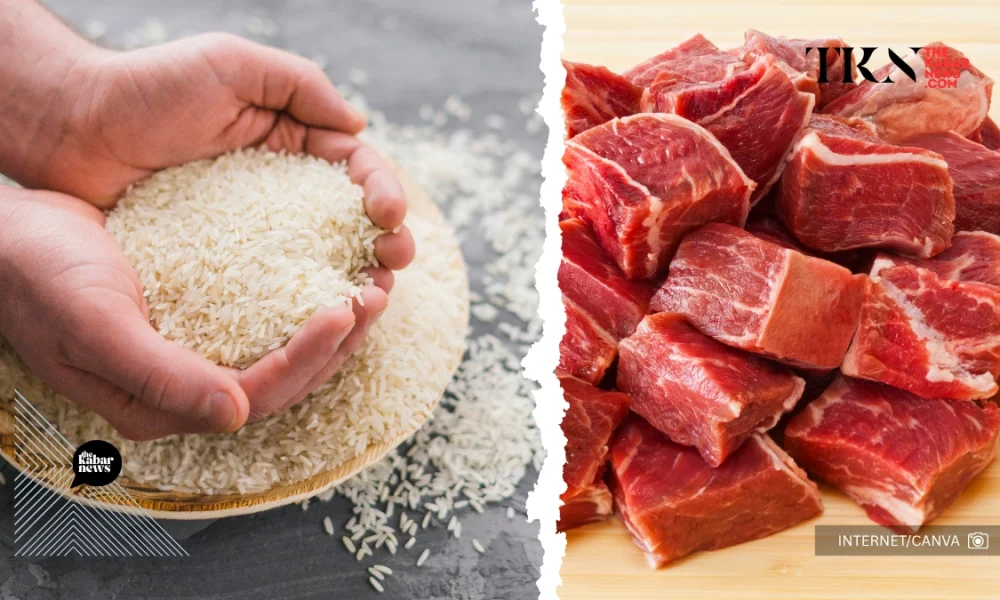
JAKARTA, Thekabarnews.com—The Bank Indonesia’s National Strategic Food Price Information Center (PIHPS) reported that the price movement of several important foodstuffs in Indonesia over the weekend included the prices of horticultural products. Especially chili and shallots, that decreased. Meanwhile, beef and some types of rice experienced a slight increase.
Data released by PIHPS on Sunday, July 5, showed that among major horticultural commodities, red bird’s eye chili slumped the most to Rp62,100 per kilogram. For example, the price of large red chilies fell to Rp50,500 per kilogram.
The price of medium shallots still fell to Rp47,800 per kilogram. This gives some relief to households and businesses that heavily rely on the commodity for daily cooking. Furthermore, medium-sized garlic’s average retail price slightly increased to Rp44,100 per kilogram.
The latest figures highlight the volatility of Indonesia’s food market. Seasonal harvests and the cost of distribution and transportation of supplies impact retail prices across a range of commodity groups.
The price of beef continued to rise. According to the PIHPS data, the price of Grade 1 beef increased to Rp150,250 per kilogram. Additionally, Grade 2 beef rose to Rp141,500 per kilogram.
Poultry was cheaper than beef. The fresh broiler chicken price fell to Rp36,600 per kilogram, and the chicken egg price fell to Rp29,250 per kilogram.
Household spending will likely ease on the back of poultry prices. Especially as chicken and eggs are some of the most consumed sources of animal protein in Indonesia.
In many categories, rice prices also kept rising. Super Quality I rice rose 0.28 percent to Rp17,650 per kilogram. Similarly, lower quality I rice rose 0.34 percent to Rp14,700 per kilogram.
Medium Quality II rice increased 0.31 percent to Rp16,150 per kilogram. This indicates that higher prices continue to put pressure on several categories of rice.
Rice is the main staple in Indonesia. Even small fluctuations can have an impact on household spending and national inflation.
Rice prices serve as a gauge of food affordability and inflationary pressures. The commodity prices show a mixed trend, reflecting the dynamic nature of the food market in Indonesia.
The fall in prices of chilies, shallots, chicken and eggs may bring some relief to consumers in the short term. On the other hand, the increase in prices of beef and rice may continue to influence household spending patterns.
The PIHPS that check food supplies and market conditions are responsible for price stability. This is especially true for essential commodities, which are the leading drivers of inflation and consumers’ buying power.
The latest data from PIHPS provides a critical snapshot of the trends of food prices nationally. Authorities are trying to ensure adequate supply and smooth distribution across the country.






No Comment! Be the first one.