



Rice and cooking oil prices rise again, packaging costs now a key factor
Thekabarnews.com – Market forces drove Indonesian food prices upward again by late April 2026, with significant increases in key commodities. Indonesian government and industry watchers point...

Thekabarnews.com – Market forces drove Indonesian food prices upward again by late April 2026, with significant increases in key commodities. Indonesian government and industry watchers point to supply and demand factors and higher non-food costs, especially for plastic packaging.
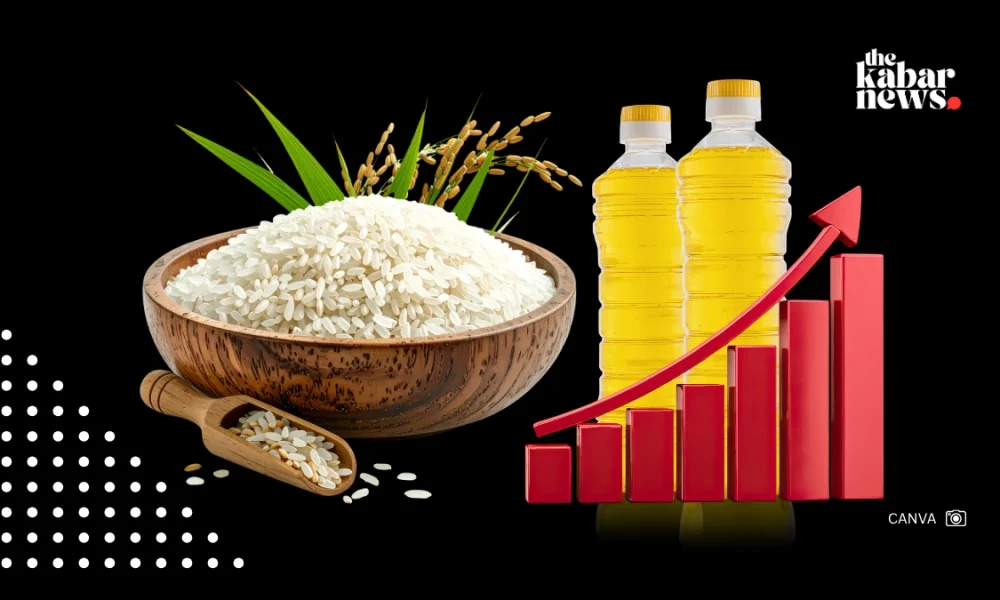
The Center for Strategic Food Prices (PIHPS) data indicated that the price of rice increased in almost all categories. Lower-grade quality rice was traded at Rp14,600 a kilogram. Meanwhile, traders sold medium-grade rice types I and II at Rp16,100 and Rp15,950 per kilogram, respectively.
The price of cooking oil is higher; bulk cooking oil is Rp20,300/kg. Branded packaged cooking oil type I is Rp23,500, and type II is Rp22,650. In addition, prices of other commodities, like premium sugar, big red chilies, and quality beef, also increased.
However, some commodity prices eased despite the gains. The prices of bird’s eye chilies, shallots, chicken meat, and eggs dropped, indicating the market is still volatile.
The price movement in general is still within the normal range, said representatives of the Indonesian Traditional Market Traders Association (IKAPPI). However, they cautioned that the increasing costs of plastics are starting to impact traders.
“Plastic packaging is more expensive now, and this increase adds to the operational expenses, which in the end influences the selling prices,” said an Association of Indonesian Provincial Governments (APPSI) representative.
The Indonesian Chamber of Commerce and Industry (Kadin) said consumers’ buying power could be threatened if prices continued to rise. When the prices of daily basics keep going up, it can squeeze household budgets, particularly for lower-income households.
Indonesian government officials said the price of plastic raw materials in the global market has also affected the cost of packaging and distribution. However, they assured me that the situation was under control. They stated that they were taking measures to stabilize prices.
One way that economists demonstrate the complexity of today’s supply chains is the link between commodity prices and supporting industries such as packaging.
Higher indirect costs passed through to the market may increase retail price. As a result, such developments could lead to higher costs for consumers if not managed properly by policymakers.
As Indonesia heads into the middle of the year, policymakers are under pressure from home and abroad to keep prices in check. Therefore, food prices will need monitoring and targeted measures to keep them affordable for consumers.
The latest development illustrates the interconnections of the agricultural supply, industrial inputs, and the effects on food prices in the dynamic market of Indonesia.
It shows how fluctuations in these areas can result in higher costs for consumers. In conclusion, these circumstances require government intervention to stabilize prices.





No Comment! Be the first one.