



A decade lost: How failed power projects stalled West Kalimantan’s growth
Thekabarnews.com—The coast of West Kalimantan, which ought to have been the lifeblood of the industry, has now become a “graveyard” for national energy objectives. Two enormous skeletons lie silently...

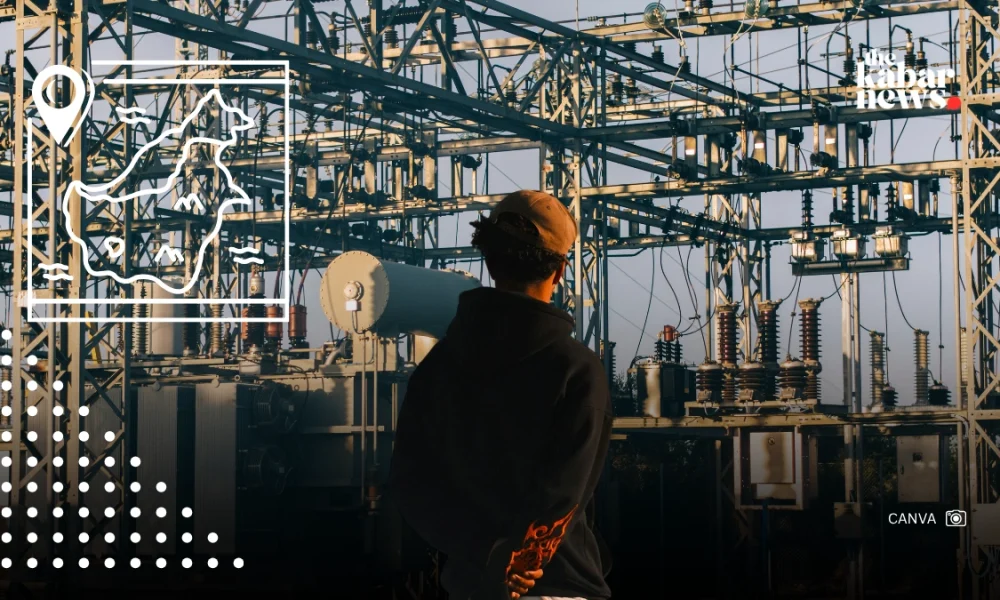
Thekabarnews.com—The coast of West Kalimantan, which ought to have been the lifeblood of the industry, has now become a “graveyard” for national energy objectives. Two enormous skeletons lie silently at Jungkat Village, Mempawah Regency, and Tanjung Gundul Hamlet, Bengkayang, West Kalimantan. These old, rust-riddled iron structures, corroded by the seawater, are not merely failing buildings. Instead, they starkly prove how corruption has mortgaged the energy sovereignty of a major province.
The basic sin of this catastrophe started in 2008 when PT PLN (Persero) re-tendered the PLTU 1 West Kalimantan (2 x 50 MW) project in Jungkat. An accuser alleges that officials hatched a diabolical scheme under the 10,000-megawatt acceleration program. President Director of PLN in 2008-2009, Fahmi Mochtar, gave his blessing for the win of the KSO Bumi Rama Nusantara (BRN) Consortium. In fact, evaluators found Halim Kalla’s company administratively and technically incapable of executing the national strategic project.
The official contract was signed on June 11, 2009, with a completion goal of 30 months. By December 2011, West Kalimantan would have ideally been free of darkness. But the unfortunate reality is that PT BRN illegally handed over the task to PT Praba Indopersada, under the leadership of Hartanto Yohannes Liem. The new executor was not only incompetent but also allegedly employed equipment that was under spec for personal gain. Therefore, this transfer formed the source of the crisis.
And if we look to the north, along the boundary of Singkawang and Bengkayang, the people’s misery is even more comprehensive. The idle power plant in Bengkayang, Tanjung Gundul Unit 2, under the hands of the Gezhouba Group from China and PT Praba Indopersada, has suffered the same fate: it is inactive and abandoned.
One half of the power plant is already roaring, but the other half of the project is an abandoned, expensive ruin along the Pasir Panjang tourist trail. This case shows how far the project brokering tactics have gone along the coast of West Kalimantan.
We started to see failure as we entered the period 2012-2015. However, surprisingly enough, PT PLN did not terminate the contract for default but instead gave 10 contract revisions, or “artificial respiration.”
The issue is not about technical difficulties anymore but a concerted effort to buy time and cover up a festering failure. The apex occurred in 2016 when the actual labor at Jungkat came to a total halt and was simply left abandoned.
Based on the Supreme Audit Agency (BPK) audit, this project was declared a total loss with a value of Rp 1.35 trillion. These two ‘construction fossils’ produce an ugly irony: West Kalimantan, wealthy in natural riches, has had to ‘beg’ for electrical supply from Sarawak, Malaysia, until today.
It is really difficult to think that our energy sovereignty is dependent on a neighboring country due to the erosion of our own infrastructure by the corruption of the authorities.
For the local people of the villages of Jungkat and Karimunting, the idea was a terrible betrayal. They surrendered rich land and received only ruins that breed lawlessness. The rolling blackouts come, and residents are forced to make do with candles, even as they watch the iron rust. It is not merely stealing money; it is stealing the right of folks to live well.
This failing is also killing the lifeblood of the entire province’s economy. The instability of the power makes the investors unwilling to come in. The situation also limits industrial growth and inevitably slows down employment generation for the young of West Kalimantan. Furthermore, corruption involving these two power plant projects has deprived the people of West Kalimantan of a decade of development. They should have been able to enjoy this progress starting in 2012.
In technical terms, the idling of this cheap coal-fired power plant requires diesel power plants (PLTD). The usage of solar (which is incredibly expensive) brings about a significant increase in energy production costs. As a result, the situation burdens governmental subsidies and the pockets of the common people through high living prices. This situation is the domino effect of unbridled avarice by policy leaders and unethical companies.
In October of 2025, however, history penned a new chapter. The Indonesian National Police Criminal Investigation Directorate (Bareskrim Polri) has listed Halim Kalla, Fahmi Mochtar, Robbiyanto Roestam, and Hartanto Yohannes Liem as suspects.
This decision shows that the law is beginning to enter the “inner circle,” but the people of West Kalimantan need more than just news of arrests. They want their state assets back and want to be certain their energy won’t become a political football in the future.
This case should not be allowed to fade away. Every rupiah embezzled from this power plant project represents the sweat of the wronged people. As long as those buildings are dead, the cries of injustice will keep coming from this region. Let us not forget that behind the luxury of the corrupt, there are children in the rural districts of West Kalimantan who have to learn in the faint light of darkness.
Comprehensive transparency is essential, particularly for the Bengkayang project, which the Jungkat issue has overshadowed. We must cleanse the entire energy procurement chain in West Kalimantan of ‘parasites’ who prioritize commissions. Strategic infrastructure is a basic right of the people, not a commodity to benefit specific groups through manipulated bids.
Finally, the abandoned monuments in Jungkat and Bengkayang must be a terrible lesson for the history of national progress. No more patience for ventures conceived with ill intent, as they undermine the collective progress and well-being of society. Energy is the key to progress. Those who steal it try to extinguish the future of a generation at the equator.
CONCLUSION
The standstill of the Jungkat Power Plant (2008-2018) and the Tanjung Gundul Power Plant 2 is a clear picture of systematic crime in the energy sector. The residents of West Kalimantan bear the heavy cost of a loss of Rp1.35 trillion and a constant reliance on Malaysian electricity. Therefore, law enforcement against the accused in 2025 must undergo strict scrutiny until completion to restore honor and light throughout West Kalimantan. (Awang Yudi Aryadi)
……….
Do you have an opinion on the issues that are happening right now? If you would like to submit your article by email to thekabarnews@gmail.com


No Comment! Be the first one.