



Indonesia’s diaper industry face rising prices and layoff risks
Thekabarnews.com—The disposable diaper industry in Indonesia is coming under pressure, with raw material prices almost doubling recently. The rising costs of production are proving difficult for...

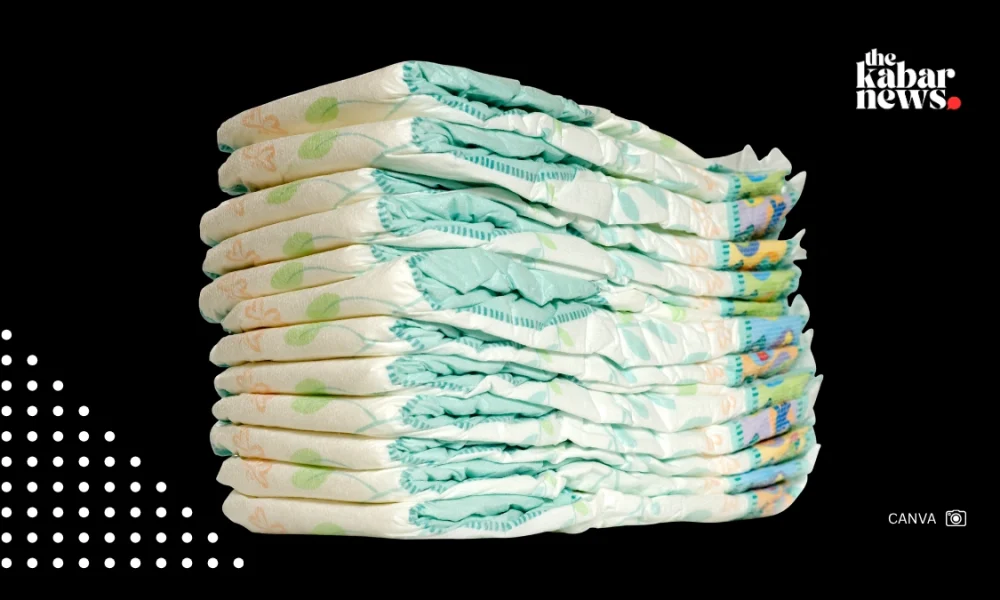
Thekabarnews.com—The disposable diaper industry in Indonesia is coming under pressure, with raw material prices almost doubling recently.
The rising costs of production are proving difficult for manufacturers to keep up with. Industry players warn that enterprises may have to cut production. They may even lay off workers en masse if the supply situation does not improve soon.
The Indonesian Pulp and Paper Association (APKI) said the price increase took place in a brief time and might even change within hours. This volatility has made it difficult to plan for cost. In addition, there is unpredictability across the sector.
Manufacturers are seeing supply limitations from major suppliers and price increases. These disruptions have added another layer of complexity to the production process. They have also complicated business operations, making it more difficult for enterprises to dependably meet demand.
It is mainly due to global causes like geopolitical tensions, which have led to the surge in crude oil prices. The hike has directly impacted the petrochemical-based components, such as naphtha and polypropylene, used in diaper production.
And the price of raw materials has risen, in some cases, by 90—100 percent. The costs have gone up, and manufacturers have raised the price of the products by about 20 to 30 percent.
“This is not just a normal market volatility that is happening here,” remarked the APKI spokesman.
Instead, they describe it as a structural problem that requires a prompt, coordinated response from the industry players and the government. Price volatility is so fast that we cannot calculate the production cost.
“The industry has to respond in a sensible, measured way,” said the APKI spokesman.
Economists say longer-term uncertainty about how much raw material there will be and what it will cost could have bigger knock-on repercussions. These may include decreased industrial production and job cuts.
The diaper manufacturing industry is quite labor intensive, and that sort of industry is particularly vulnerable to ongoing cost pressures.
Industry stakeholders are calling for diversification of raw material sources and legislative support to help stabilize the sector. They want to push for more resilient supply chains.
If nothing is done, they warn, the competitiveness of domestic firms might be killed off by rising costs. Additionally, supply disruptions may combine with costs to worsen the problem.
The world is unpredictable, and the pressure on Indonesia’s manufacturing sector to maintain stability and protect jobs in the commodity market is mounting. The next few months will be critical to see if the sector can adapt. Otherwise, the pressures may continue to pile up.





No Comment! Be the first one.