



BGN caps MBG kitchen costs at Rp3,000 per meal
JAKARTA, The Kabar News—The National Nutrition Agency (BGN) has tightened spending controls at kitchens serving the Free Meals (MBG) program by setting a maximum operating cost of Rp3,000 for each...

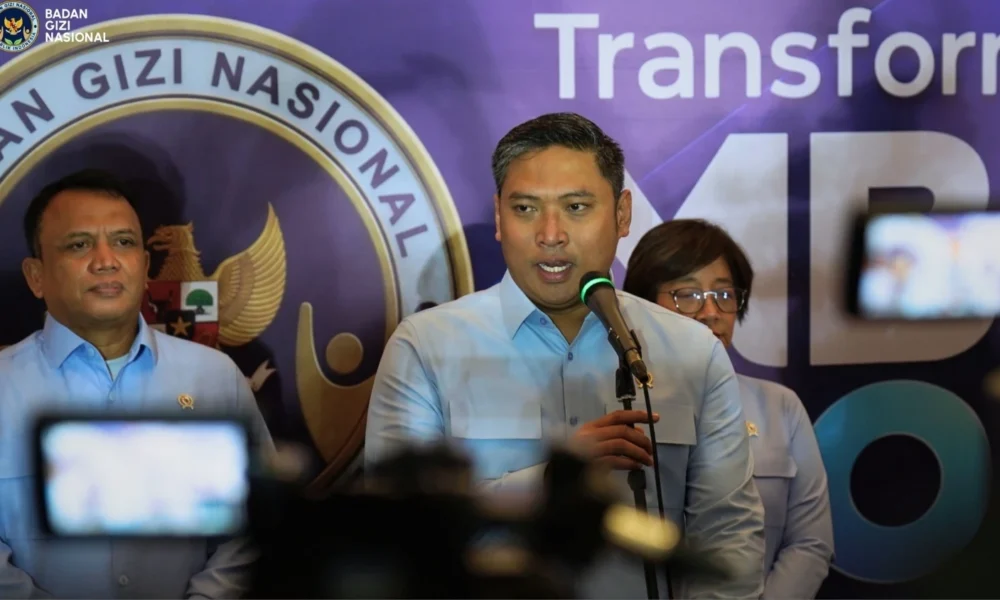
JAKARTA, The Kabar News—The National Nutrition Agency (BGN) has tightened spending controls at kitchens serving the Free Meals (MBG) program by setting a maximum operating cost of Rp3,000 for each meal delivered to a beneficiary.
BGN said the policy would replace more flexible at-cost claims. According to BGN head Sudaryono, these claims had allowed some Nutrition Fulfilment Service Units (SPPGs) to report operating expenses of between Rp4,000 and Rp5,000 per serving.
“Today, I have the new rule in hand. Operating funds may reach no more than Rp3,000,” Sudaryono said during BGN’s 100-day performance review in Jakarta on Oct. 29.
He said BGN calculated that the difference between previous claims and the new ceiling could produce approximately Rp3 trillion in savings. This would happen through the end of 2026.
Read also: Three issues hold up funds for Indonesia’s SPGGs
The figure remains a BGN projection based on the number of meals delivered and the remaining implementation period. Independently verify savings already recorded.
Under the revised arrangement, BGN will also regulate the remuneration of nutrition and financial supervisors under the applicable employment rules.
The BGN’s policy announcement said program partners would assume responsibility for distribution vehicles, removing those expenses from kitchen operating claims.
Official BGN guidance divides the allocation for each meal into separate components. The agency provides up to Rp10,000 for ingredients, Rp3,000 for kitchen operations and Rp2,000 as a facility or performance incentive.
BGN has stressed that SPPGs must not use the food budget to cover rent, transport or other operating expenses. BGN’s official guidance places food ingredients at the center of the per-meal allocation.
Read also: BGN head revises budget, recovers funds
However, earlier BGN technical guidelines had already listed Rp3,000 as either the maximum or baseline operating allowance per beneficiary. The latest policy appears to strengthen and standardize enforcement across SPPGs rather than introduce the Rp3,000 figure for the first time.
The projected Rp3 trillion reduction is also separate from BGN’s broader claim. That broader claim is that its recent overhaul generated Rp44 trillion in efficiencies and returned funds.
In an official performance statement, the agency attributed that larger figure to revised budget allocations, incentive changes, kitchen-cost controls and the recovery of funds from problematic virtual accounts.
A uniform ceiling could make spending comparisons easier and restrict inflated claims. Nevertheless, BGN must publish clear implementation rules and disclose audited results to substantiate its savings estimate.
BGN also has to make sure that passing costs on to program partners doesn’t jeopardize food safety, impact deliveries, or affect the quality of meals in areas with higher operating costs. In addition, the BGN must also consistently implement the policy and report transparently across its national network of SPPGs.




No Comment! Be the first one.