



AIoT improves farming and aquaculture in Lamongan
LAMONGAN, The Kabar News—An Artificial Intelligence of Things (AIoT) program has helped 140 farmers and 100 fish farmers in Lamongan reduce production costs and improve yields, according to...

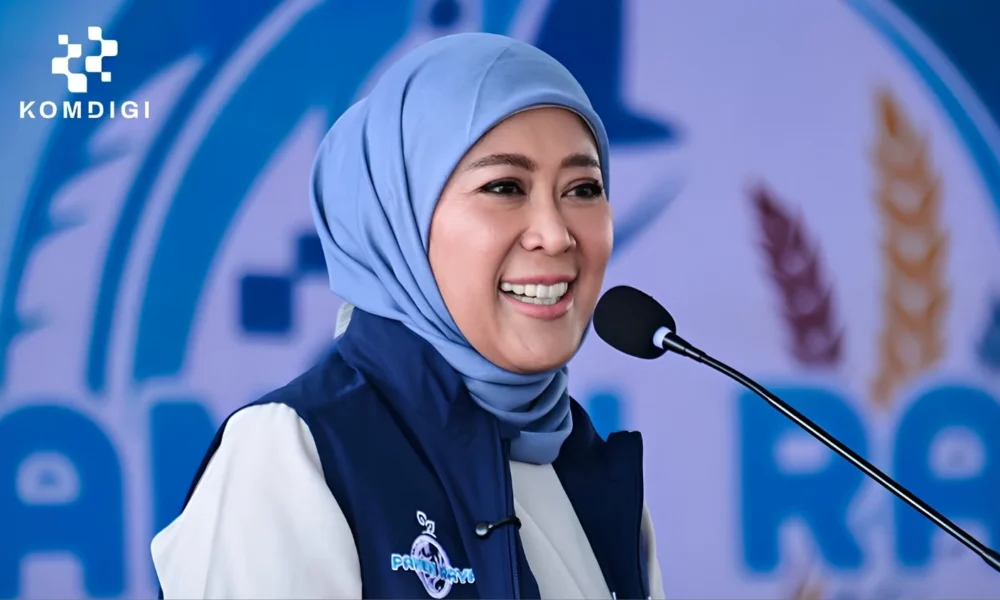
LAMONGAN, The Kabar News—An Artificial Intelligence of Things (AIoT) program has helped 140 farmers and 100 fish farmers in Lamongan reduce production costs and improve yields, according to Indonesia’s Communications and Digital Ministry (Komdigi).
Communications and Digital Minister Meutya Hafid reviewed the technology during an agriculture and fisheries harvest event in Lamongan regency on Tuesday, Nov. 3. The program combines connected sensors, automated equipment and digital dashboards with data analysis to help producers make operational decisions.
The initiative provides participants with internet connectivity and Internet of Things devices for two production cycles. Field officers also offer technical assistance and workshops so farmers can continue using the equipment after government support ends.
“The goal is clear: to build an independent ecosystem so that when government facilitation ends, farmers and fish farmers will already have experienced the economic benefits firsthand and can continue adopting the technology independently,” Meutya said.
In the agricultural component, soil sensors collect information that helps farmers determine when to irrigate crops and apply fertilizer. Automated systems can then deliver inputs more precisely, reducing unnecessary spending.
Read also: Prabowo: farmers and fishermen are the frontline of Indonesia’s food security
Government figures presented at the event indicated that participating rice and corn farmers cut fertilizer costs by 35 percent. Fertilizing more accurately resulted in a 5.27 percent increase in crop production and a 13 percent increase in greenhouse melon productivity. Moreover, irrigation and fertilization automation also reduced labor expenses by more than 25 percent.
The ministry did not publish the baseline production figures or sample sizes for individual commodities. It also did not publish an independent evaluation of those percentages. The results should therefore be read as program data reported by the government. They are not findings from an independently audited study.
The fisheries component allows grouper farmers to monitor pond conditions using mobile phones. Smart aerators and connected sensors track dissolved oxygen, temperature and pH, helping farmers respond before deteriorating water quality harms fish.
After about five months of implementation, the technology reduced feed use by as much as 20 percent and raised fish survival rates by 16 percent, the ministry reported. Additionally, aquaculture productivity increased by more than 24 percent. Komdigi’s official statement said the system could later monitor additional indicators by integrating more AI-based analysis.
Read also: Aceh academic questions Rp1.6 trillion farm recovery aid
“Digital technology and artificial intelligence must directly benefit farmers and fish farmers by increasing productivity,” Meutya said during the Lamongan event.
Komdigi has also promoted similar applications in other regions. Its Digital Ecosystem Acceleration initiative has supported IoT projects for agricultural and aquaculture groups in Lamongan, Sleman and Banjarnegara, according to a separate ministry statement.
The Lamongan program shows how technology can address practical production problems rather than merely expand internet access. However, its long-term value will depend on whether farmers can afford equipment maintenance and connectivity after government facilitation ends.


No Comment! Be the first one.