



Iran dismisses Trump’s Strait of Hormuz reopening claim as ‘unrealistic’
Thekabarnews.com—Iran has rejected Donald Trump’s pronouncements on the future of the Strait of Hormuz. Iran insists that it will keep the strategic waterway, even if a peace deal is reached. Iran’s...

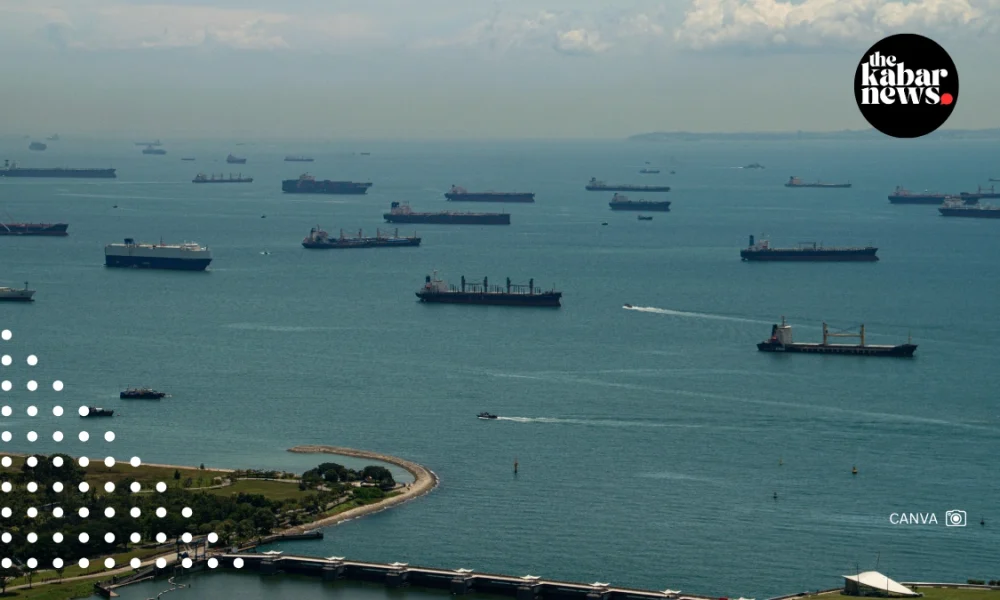
Thekabarnews.com—Iran has rejected Donald Trump’s pronouncements on the future of the Strait of Hormuz. Iran insists that it will keep the strategic waterway, even if a peace deal is reached.
Iran’s semi-official Fars News Agency quoted Trump as saying the Strait of Hormuz would “fully reopen” as part of a possible agreement between Washington and Tehran. The agency also added that the statement “does not correspond to reality.”
“The latest exchanged text states that Iran will continue managing the Strait of Hormuz if both sides reach an agreement,” the agency said.
While Iran may allow shipping traffic to return to pre-conflict levels, Tehran will retain control over access, permits, and navigation procedures in the strategically vital maritime corridor. The report added this point.
“Iran has agreed to restore the number of passing ships to the pre-war level, but the agreement does not at all mean free passage to the pre-war situation,” the report said.
Iranian authorities would continue to decide on routes, timing, passage procedures, and ship permits under the authority of the Islamic Republic, the Fars news agency reported.
The Strait of Hormuz is one of the world’s most strategically important waterways. This is because a large percentage of global oil and energy shipments pass through the narrow maritime corridor. It connects the Persian Gulf to international waters.
Any disruption or political friction involving the strait tends to cause immediate reactions in global energy markets. The international shipping industries also feel the effects.
The latest spat over the strait comes as diplomatic tensions persist. Moreover, negotiations remain fragile over a broader conflict involving Iran, the United States, and regional allies.
President Donald Trump has recently asserted that full international access through the Strait of Hormuz could eventually be restored. This could happen as part of a broad peace deal.
But Iranian officials and state-linked media appear intent on stressing that Tehran will not cede operational control of the waterway.
Control over the Strait of Hormuz is of major geopolitical significance for Iran. It serves as a strategic and economic pressure point in regional politics.
During times of military escalation, disputes over sanctions, and confrontations between Western powers and Gulf nations, the strait has been a flashpoint time and time again.
Markets worldwide are watching events around the waterway closely. They know that even brief disruptions can impact oil prices, shipping insurance rates, and the stability of world trade.
Uncertainty around the Strait of Hormuz remains one of the biggest geopolitical risks to global energy supply chains.
Meanwhile, the latest exchange highlights how competing narratives continue to frame public messaging. Such an exchange occurs around any potential negotiations between Tehran and Washington.
Both sides discuss possible measures to de-escalate, but disputes over sovereignty, security, and strategic control are highly sensitive. The Strait of Hormuz seems to be at the heart of Iran’s national security policy and regional influence.
For the global economy, international observers consider the future stability of the narrow shipping lane one of the most closely watched issues in geopolitics.





No Comment! Be the first one.