


Indonesia strengthens one data governance framework
JAKARTA, thekabarnews.com—President Prabowo Subianto has called for stronger data sovereignty and secure information-sharing systems as Indonesia prepares to implement its new One Data framework...

JAKARTA, thekabarnews.com—President Prabowo Subianto has called for stronger data sovereignty and secure information-sharing systems as Indonesia prepares to implement its new One Data framework across government institutions.
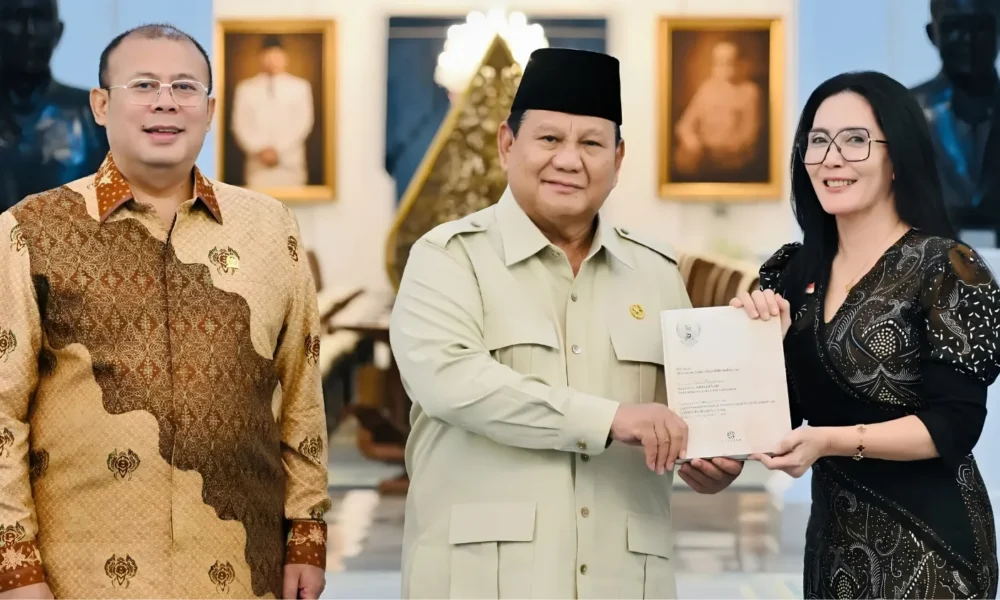
Prabowo delivered the message during a meeting with the joint One Data Indonesia legal drafting team at the Presidential Palace in Jakarta on Thursday, Oct. 29.
The meeting brought together senior lawmakers, government officials and academics involved in developing the national data-governance framework.
“Data sovereignty is an essential foundation for preserving national unity amid the accelerating pace of digitalization,” Prabowo said in a statement published by Presidential Secretariat.
Read also: Indonesia shifts disaster policy toward prevention
The government expects the framework to improve the accuracy of public services by enabling ministries, agencies and local administrations to use compatible data standards. In addition, it aims to strengthen security when state institutions exchange information.
House Deputy Speakers Sufmi Dasco Ahmad and Cucun Ahmad Syamsurijal attended the meeting. Other participants included House Legislation Body Chair Bob Hasan. National Development Planning Ministry Secretary Teni Widuriyanti and IPB University academic Sofyan Sjaf also joined.
Although the palace statement referred to a drafting team, the House of Representatives and the government had already approved the One Data Indonesia bill during a plenary meeting on Oct. 6.
The legislation contains 20 chapters and 141 articles covering national data architecture, data-management cycles and security standards. It also provides for a master plan and a dedicated One Data administrative structure, according to the House of Representatives.
Read also: President Prabowo says thousands of foreign ships steal Indonesia’s wealth every night
However, the palace release did not identify the law’s official number or explain whether Thursday’s meeting focused on promulgation, implementing regulations or administrative preparations. This distinction matters because parliamentary approval must be followed by formal publication and implementation measures.
The new framework builds on Presidential Regulation No. 39/2019, which established the existing One Data Indonesia policy. That system requires government data to follow common standards, use standardized metadata and adopt consistent reference codes.
The law is intended to provide a stronger legal foundation than the presidential regulation. The Communications and Digital Ministry said it would support interoperability and infrastructure. This would enable government systems to exchange data without requiring all physical databases to operate from one location.
A unified data framework could help the government get rid of statistics that don’t match up between different departments. More reliable records could improve budget planning, social assistance distribution and disaster response. Integrated data may also help residents avoid repeatedly submitting the same information to different public institutions.
Read also: More Gen Z feels less financially secure than previous generations
Nevertheless, integration does not mean that every government employee or agency may freely access all available records. Lawmakers said the One Data framework classifies information as open, restricted or closed. Institutions must follow those classifications when exchanging data.
The system must also comply with Indonesia’s Personal Data Protection Law. Law No. 27/2022 regulates personal data processing, transfers and the obligations of data controllers. It gives additional protection to sensitive information such as health, biometric, financial and children’s data.
One Data Indonesia’s success will be more than just connecting the government databases. Therefore, authorities should maintain accurate records and apply clear controls on access. They need to be able to respond quickly to security breaches and hold agencies accountable for their use of citizens’ information.
The consistent application of the framework could provide government agencies more reliable information on which to base policymaking. To build public trust in national integration, it must enhance public services without compromising privacy and cybersecurity.






No Comment! Be the first one.