



Anthrax alert follows goat slaughter in Gunungkidul
GUNUNGKIDUL, thekabarnews.com—Animal-health authorities have launched disease-control measures in Mulusan, Paliyan district, Gunungkidul regency, after residents reportedly developed skin lesions...

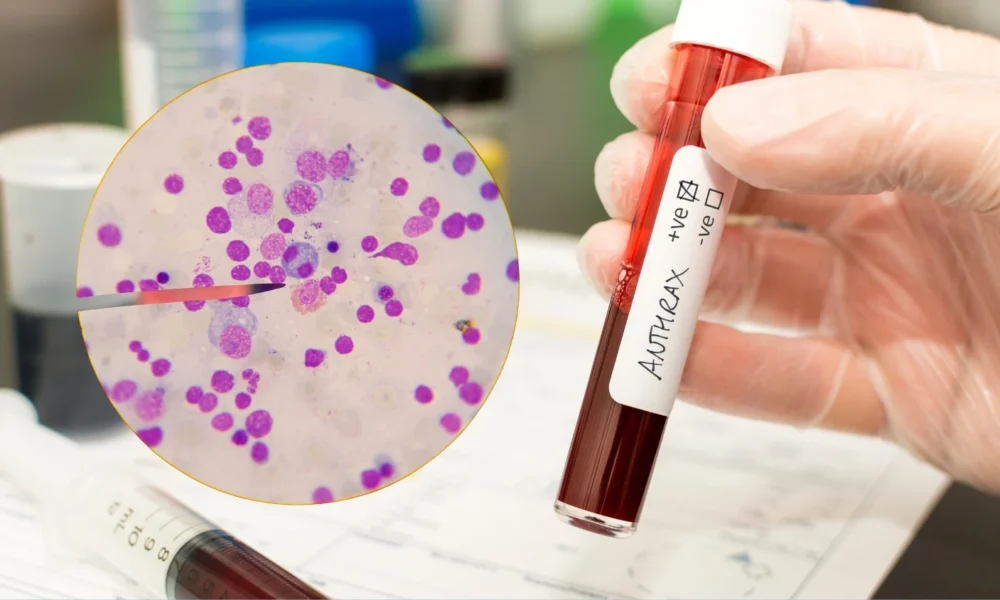
GUNUNGKIDUL, thekabarnews.com—Animal-health authorities have launched disease-control measures in Mulusan, Paliyan district, Gunungkidul regency, after residents reportedly developed skin lesions associated with anthrax following the slaughter of a goat that had died suddenly.
The Gunungkidul Agriculture and Food Service received the initial report from a local community health center (Puskesmas) on Sept. 29. However, officials had not publicly confirmed through laboratory testing how many Mulusan residents had contracted the disease when this article was prepared.
“We received a report from the community health center that residents in Paliyan had sought treatment for boleng on their hands, which is a symptom of anthrax,” Retno Widyastuti, head of the agency’s Animal Health Division, said on Thursday, Oct. 8.
Health authorities commonly use boleng to describe the dark, ulcer-like skin lesion associated with cutaneous anthrax. Anthrax is not a virus but a zoonotic disease caused by the bacterium Bacillus anthracis. Its spores can enter the body through cuts or abrasions after a person handles infected animals or contaminated animal products.
According to the World Health Organization, cutaneous anthrax is the disease’s most common form. It may initially cause an itchy swelling or blister before developing into a typically painless ulcer with a black center. A laboratory examination is required to confirm infection.
Gunungkidul authorities responded by vaccinating livestock and disinfecting the location where residents had slaughtered the goat. Testing later detected anthrax spores in a soil sample taken from the area.
“The soil sample tested positive for anthrax, and we have completed the necessary control measures,” Retno said.
“We could not examine the goat because residents had already slaughtered and eaten it through a practice commonly called brandu.”
Under the local brandu practice, residents jointly purchase meat from livestock that have died or become seriously ill. The proceeds help reduce the owner’s financial loss.
The practice, however, can expose people to disease when an animal dies from an unidentified infection.
Retno urged farmers to report every sudden livestock death to the nearest animal-health center rather than slaughtering the animal.
“If farmers report livestock that die suddenly, they can receive compensation from the regency administration,” she said. “We therefore urge livestock owners to contact the animal-health center immediately.”
Gunungkidul Regent Regulation No. 10/2025 provides compensation or assistance for controlling infectious animal diseases. The program uses emergency spending from the regional budget.
The Mulusan investigation follows a separate anthrax cluster in Dadapayu, Semanu district. Gunungkidul Health Office head Ismono said four people in that cluster tested positive by PCR after coming into contact with sick or dead livestock. All four had recovered by early October.
Authorities advised residents not to handle, slaughter or consume livestock that die unexpectedly. Anyone who develops a dark skin lesion after contact with an animal should promptly seek medical care and disclose the exposure.






No Comment! Be the first one.