



USDA confirms new world screwworm case in Texas, threatening U.S. livestock
WASHINGTON, Thekabarnews.com—U.S. agriculture officials have confirmed the presence of a dangerous parasitic fly, the New World screwworm. Its larvae feed on the living tissue of warm-blooded...

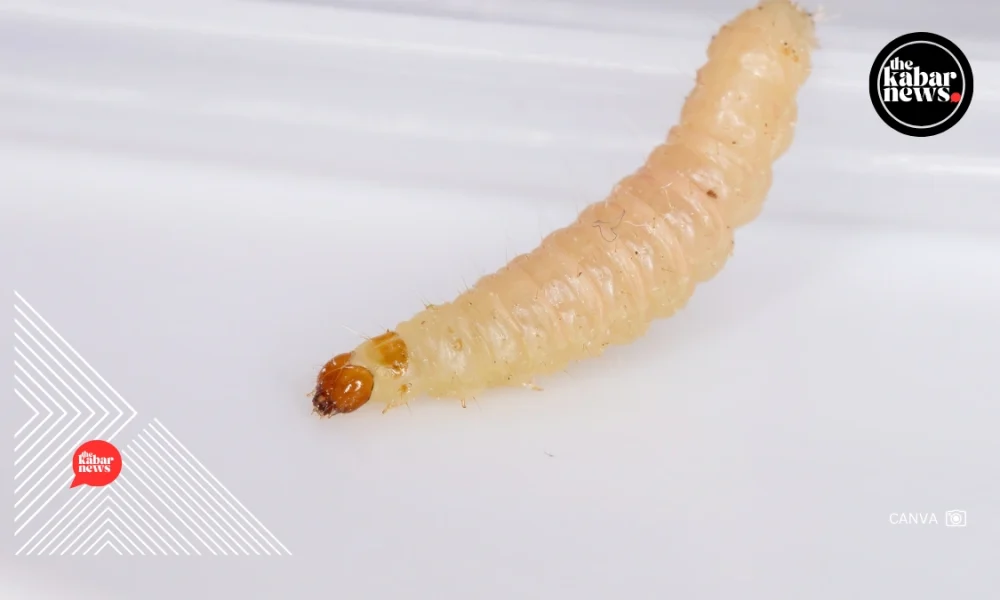
WASHINGTON, Thekabarnews.com—U.S. agriculture officials have confirmed the presence of a dangerous parasitic fly, the New World screwworm. Its larvae feed on the living tissue of warm-blooded animals. The fly was found in a calf in Texas.
The discovery has had a major impact on the U.S. livestock industry. Officials say a wider spread could threaten cattle herds, disrupt agricultural production, and raise beef prices across the country.
The parasite is a serious threat to animal health and livestock security, the U.S. Department of Agriculture (USDA) announced on Wednesday.
New World screwworm larvae differ from many familiar parasites that feed on dead tissue. They invade open wounds and consume healthy, living flesh. As a result, the infestation can lead to serious injuries. It can also cause secondary infections and sometimes death if left untreated.
USDA says the parasite is one of the most destructive livestock pests ever seen in the Americas.
The United States eliminated the New World screwworm decades ago through a large sterile-insect program. However, the latest detection has raised fears the parasite may re-establish itself in vulnerable areas if containment efforts fail.
Dudley Hoskins, of the USDA, said the threat was serious, as cited in BBCNEWS.
“Protecting our livestock industry is a national security issue of the utmost importance,” Hoskins said.
Cattle production in the United States is a key part of the national economy. The United States has one of the world’s largest cattle herds, with millions of animals supporting beef production. Furthermore, they support dairy operations, exports, and rural employment, according to USDA data.
A widespread screwworm infestation could mean ranchers will have to pay much more to have animals treated. They will also spend on surveillance and prevention programs.
In the worst cases, the infected animals can lose weight, become less productive, or even die. This leads to financial losses throughout the agricultural supply chain.
USDA is also warning that a shrinking cattle herd could push up beef prices. This could happen at a time when consumers are facing food inflation and supply-chain disruptions.
The parasite is mainly a threat to livestock, wildlife, and other warm-blooded animals. However, it can sometimes infest humans and household pets.
There have been few human cases, and the threat to the general public is low. But vets and health officials are advising people to seek medical help if they develop unusual wound infections after contact with infested areas.
Federal and state officials have increased their surveillance since the Texas case. Investigators are trying to determine how the parasite got into the area. In addition, they want to know whether there have been other infections among local livestock populations.
Early detection and containment are still key to preventing more widespread transmission.
The finding underscores the growing challenges of defending agricultural systems against invasive pests and diseases in an increasingly connected world.
Agricultural threats can cross borders through livestock movements, international trade, climate conditions, and wildlife migration.
USDA officials are asking ranchers, veterinarians, and livestock owners to be vigilant. They should immediately report any suspicious cases in the meantime.
The Texas finding serves as a reminder that even after a threat is eliminated, it can resurface and pose significant risks to food security, agricultural output and rural economies. Therefore, officials must maintain their surveillance and containment efforts.





No Comment! Be the first one.