



Study flags eye risks tied to repeated lash extensions
LONDON, thekabarnews.com—Researchers have linked regular eyelash-extension use to eyelid irritation, microscopic mites and impaired oil-gland function. This is according to a small study presented at...

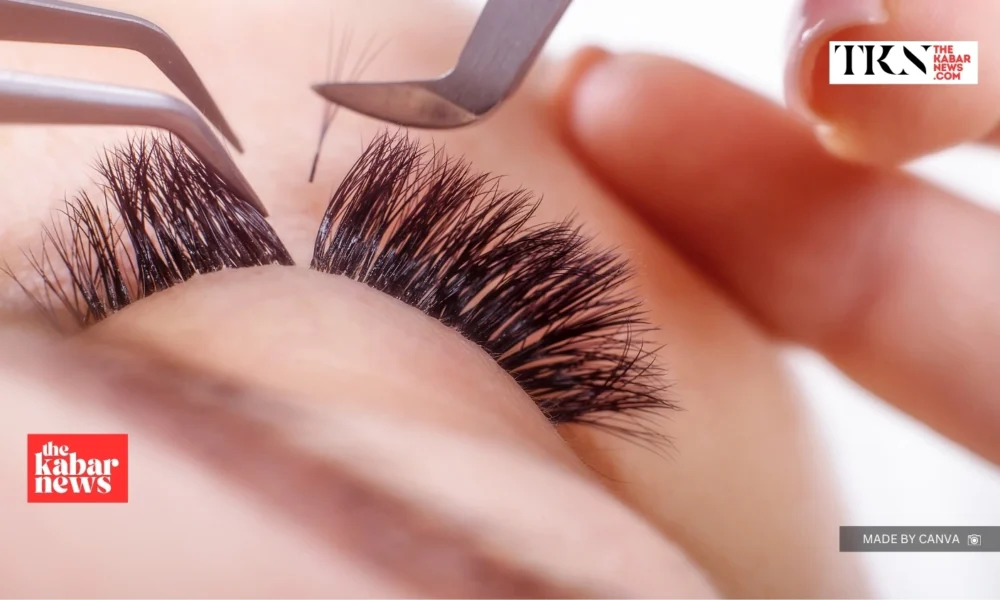
LONDON, thekabarnews.com—Researchers have linked regular eyelash-extension use to eyelid irritation, microscopic mites and impaired oil-gland function. This is according to a small study presented at a European ophthalmology conference.
Researchers stressed, however, that their findings do not prove that extensions caused the conditions.
Dr. Tetiana Zhmud of Ukraine’s National Pirogov Memorial Medical University presented the research at the 44th Congress of the European Society of Cataract and Refractive Surgeons (ESCRS) in London. The event occurred on September 12.
The researchers surveyed 345 women aged 16 to 28. Almost one-quarter had used eyelash extensions, while 58 percent of users underwent the procedure every three to four weeks.
Among participants who had extensions, 47.6 percent reported discomfort, redness, tearing or itching after the procedure, according to the ESCRS report.
The team also used infrared imaging to examine the meibomian glands, which produce oil that helps prevent tears from evaporating.
Among women who had received extensions at least 10 times, 85 percent showed signs of meibomian gland dysfunction. This means the glands were blocked or were not releasing oil properly.
A separate microscopic examination involved only 25 regular extension users.
Researchers detected Demodex folliculorum in 24 of them, while 18 showed irritation associated with mite overgrowth.
Reported signs included itching, redness, swelling, lashes sticking together and scaling around the lash roots.
The 24-of-25 finding applies only to that small, selected group. Readers should not interpret the finding as evidence that almost all eyelash-extension users have harmful infestations.
The study did not include a control group of similarly aged women who had never used extensions. Researchers have presented the findings at a conference but have not yet reported them in a large comparative trial.
“Our findings do not suggest that people should completely avoid eyelash extensions,” Zhmud said.
“However, they stress the importance of proper eyelid hygiene, awareness of symptoms and timely assessment when symptoms arise.”
Demodex mites commonly live around human hair follicles and do not automatically indicate disease.
Professor Sorcha Ni Dhubhghaill, chair of the ESCRS Cornea Committee, said their presence becomes clinically important when it accompanies inflammation or gland dysfunction.
“Finding Demodex folliculorum does not necessarily mean a person has a disease because these mites may form part of the normal ocular microbiota,” said Ni Dhubhghaill, who did not participate in the research.
Adhesive placed near the roots of natural lashes may also obscure the waxy deposits that can signal mite activity, she added.
The researchers called for larger controlled studies to determine whether extensions promote mite proliferation. Alternatively, they want to see whether hygiene practices and other factors explain the association.
For users, the current findings support regular eyelid cleaning and professional assessment when redness, itching or persistent dryness develops.






No Comment! Be the first one.