



Middle East tensions push up fiber optic costs, telecom sector feels pressure
Thekabarnews.com—Tensions in the Middle East are driving up global oil prices. The situation is inflating the cost of key raw materials for fiber-optic networks. As a result, Indonesia’s...

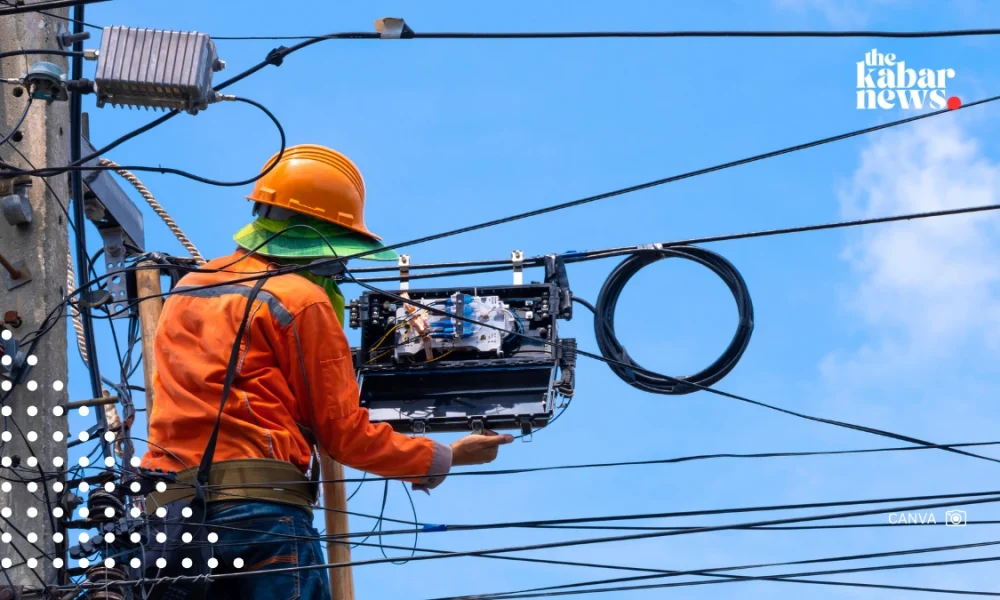
Thekabarnews.com—Tensions in the Middle East are driving up global oil prices. The situation is inflating the cost of key raw materials for fiber-optic networks. As a result, Indonesia’s telecoms sector is beginning to experience the impact.
The cost of raw material for fiber optic cables has increased by 17 percent, said Apjatel, the association of telecommunication network providers.
Much of the increase came from rising prices for high-density polyethylene (HDPE), a key material used to sheath and insulate fiber-optic cables.
HDPE is a by-product of the petrochemical process, and analysts expect prices to follow global crude oil prices. Geopolitical uncertainty and rising oil prices continue to impact sectors dependent on oil products.
A weaker rupiah against the US dollar and disruptions to logistics and supply chains worldwide exacerbate the situation. But the higher import prices are pinching the local telcos.
Indonesia does not have the raw materials to build up its infrastructure. Imports supply 70 percent of Indonesia’s fiber optic infrastructure. This situation makes the business very vulnerable to external shocks, especially during periods of global instability.
“The main reason for the price increase is the fluctuation of the currency rate. We still have many imported parts, so the currency fluctuations immediately impact the pricing of fiber optic cables and active equipment, and companies have to change their cost structures,” Deputy Chair II of Apjatel Nia Kurnianingsih said.
Industry observers have raised concerns that the rising prices of raw materials may impact telecom infrastructure projects in Indonesia.
This extra cost may cause firms to reconsider investment or delay the timing of a project. The commercial return is not very high, especially in the hard-to-reach areas.
It is one piece of a push by Indonesia to develop the country’s digital infrastructure to boost economic growth and improve connectivity across the archipelago.
High-speed Internet and digital services over fiber optic networks are critical to competitiveness in the country’s digital economy on the global stage.
Demand for resilient digital infrastructure will likely persist, and experts recommend strengthening local manufacturing capacity.
Broadening supply sources and creating more resilient supply chains and investing more in data centers and other digital infrastructure.
Rising costs and growing global uncertainty are pressuring Indonesian telcos to deliver on their infrastructure commitments. How quickly Indonesia digitizes in the years ahead will depend on how well firms and authorities can adapt.





No Comment! Be the first one.