



Pertamina clarifies viral claims on foreign crew in tanker operations at Hormuz Strait
JAKARTA, Thekabarnews.com—PT Pertamina (Persero) responded to a viral video claiming that tankers operated by Pertamina International Shipping (PIS) in the Strait of Hormuz use foreign crew members....

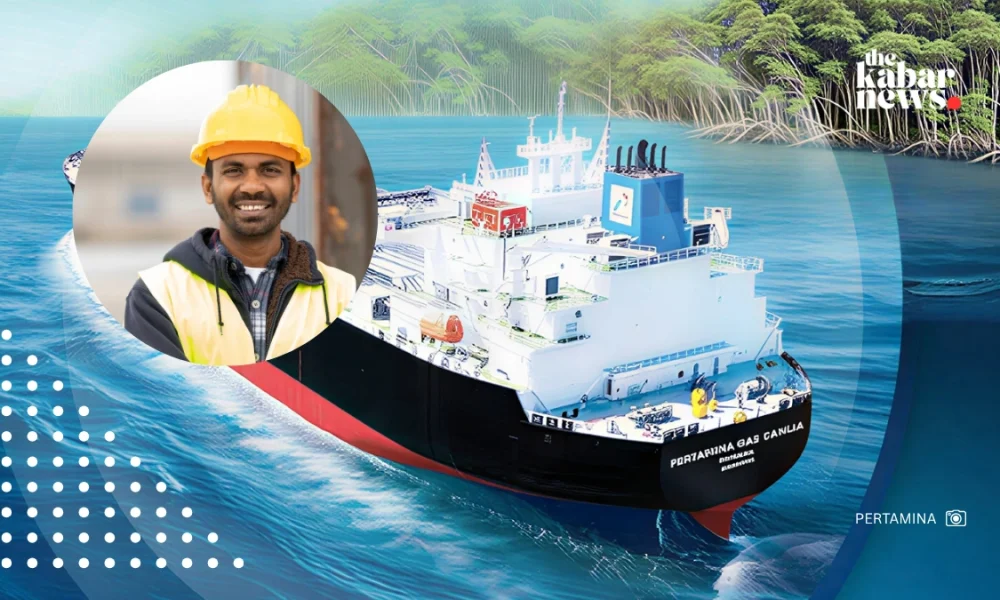
JAKARTA, Thekabarnews.com—PT Pertamina (Persero) responded to a viral video claiming that tankers operated by Pertamina International Shipping (PIS) in the Strait of Hormuz use foreign crew members. The video particularly alleges the involvement of crew members from India.
PIS, through its acting corporate secretary Vega Pita, said that international shipping operations usually involve cooperation with charterers. Additionally, third-party ship management companies may be engaged.
“These are standard practices in the global maritime industry to improve operational capacity and competitiveness,” she said.
The Gamsunoro is one of the vessels mentioned in the viral content. It sails international routes throughout Asia, Europe, the Americas, and Africa.
“The vessel is currently on time charter to a third party that has authority over crew recruitment in accordance with international maritime regulations and operational standards,” said Vega.
PT Pertamina (Persero) said it remains committed to Indonesian seafarers while involving foreign crews in certain international operations. Furthermore, it continues to prioritize hiring local talent to support the national maritime workforce.
Most of its fleet continues to employ domestic workers, according to the company.
“The crew composition is based on global operational needs, not just on Pertamina’s determination,” she added.
According to the company’s data, about 94 percent of the Pertamina Group’s fleet comprises Indonesian citizens. The total number of the crew members is around 4,368. Out of this total, 4,090 are Indonesian, and foreign workers make up around 6 percent.
Industry observers say such international collaboration is common in global shipping. In this context, flexibility in crew composition allows companies to respond to operational needs, regulatory requirements, and international standards.
Pertamina stated that its global partnership strategy aims to enhance Indonesia’s standing in the international maritime sector. Additionally, it seeks to increase national revenue from overseas operations.
“We continue to invest in developing Indonesian seafarers to ensure they remain competitive in the global labor market,” said Vega Pita.
The clarification comes as the public’s scrutiny of transparency and labor practices in strategic industries increases.
However, experts insist on the need to understand international norms of operation to avoid misinterpretation of industry practices.
As Indonesia’s share of global energy logistics expands, companies like Pertamina will likely face the challenge of balancing the development of the domestic workforce with the demands of international operations. At the same time, they must ensure that both competitiveness and national interest remain aligned.



No Comment! Be the first one.