



Majority struggle: 70% of Indonesians have no savings
Thekabarnews.com—A recent survey by GoodStats has painted a worrying picture of Indonesian financial resilience. The majority of respondents claim to have no savings. A nationwide survey of 1,000...

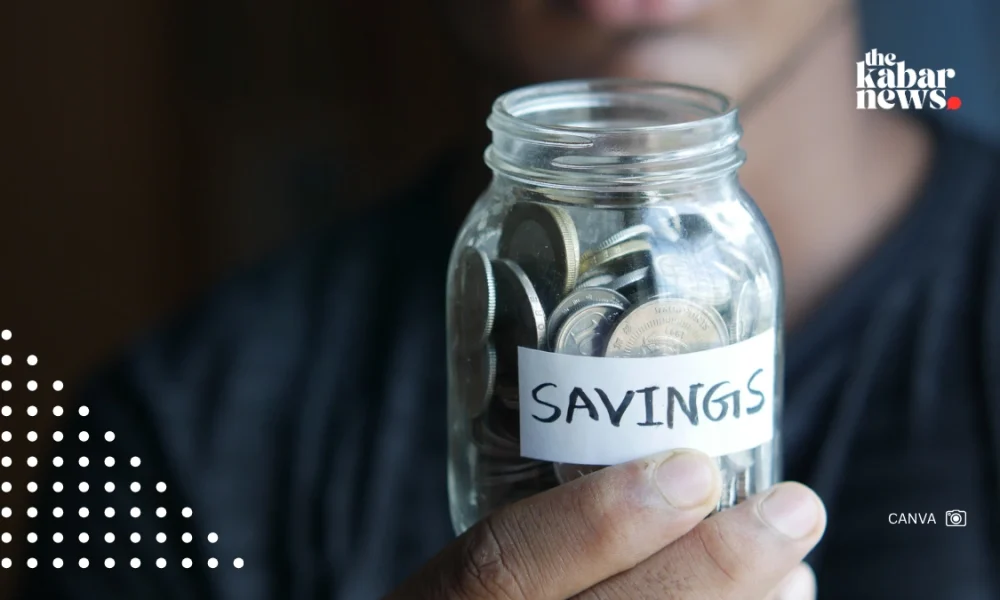
Thekabarnews.com—A recent survey by GoodStats has painted a worrying picture of Indonesian financial resilience. The majority of respondents claim to have no savings.
A nationwide survey of 1,000 people found that some 70 percent of the respondents have absolutely no savings. About 31 percent said they could regularly save some part of their income.
Several key factors were identified by researchers who helped to drive this trend. The biggest reason was impulse purchases, cited by 34.5 percent of participants. At the same time, 28.2 percent said lack of income was a major obstacle to saving.
Economists say the results point to deeper structural problems, including higher living costs and stagnant wages. Many people are just getting by. In cities where housing, transport, and other daily expenses are much higher, people are not saving money.
The survey also suggests lifestyle and behavioral factors. Some of it is the growth of a consumer culture, driven by digital platforms and easy access to credit. As a result, the shift has created spending habits that have made it harder to save.
And even those who do save consider it hard to do so regularly. Of those who said they had savings, 23.4 percent said they had difficulty keeping their financial habits.
Unexpected costs, such as emergency medical bills or home repair emergencies, where people have no other choice, often force them to dip into their savings.
Uncertain times could leave households with no savings more vulnerable to economic shocks, say financial experts. You don’t have any financial cushion. Such a situation makes it harder to cope with a sudden loss of income or a sudden increase in expenses.
They also stress the need to improve financial literacy, cultivate disciplined spending habits, and increase access to better income opportunities. At the same time, policymakers must deal with income inequality and the need to keep wages in line with inflation.
The results point to the need for a more robust financial ecosystem in Indonesia. Structural reform and financial literacy must be at the core.
As the pressure on the economy continues to shift, Indonesians’ ability to save—and hold on to their savings—will be a key indicator. This will reflect the country’s long-term financial stability and economic health.






No Comment! Be the first one.