



Iran launches retaliatory strike on US air base as Gulf tensions escalate
TEHRAN, Thekabarnews.com—Tensions between Iran and the United States escalated sharply on Thursday, May 28. This occurred when Iran fired what it called a retaliatory strike at a U.S. air base. The...

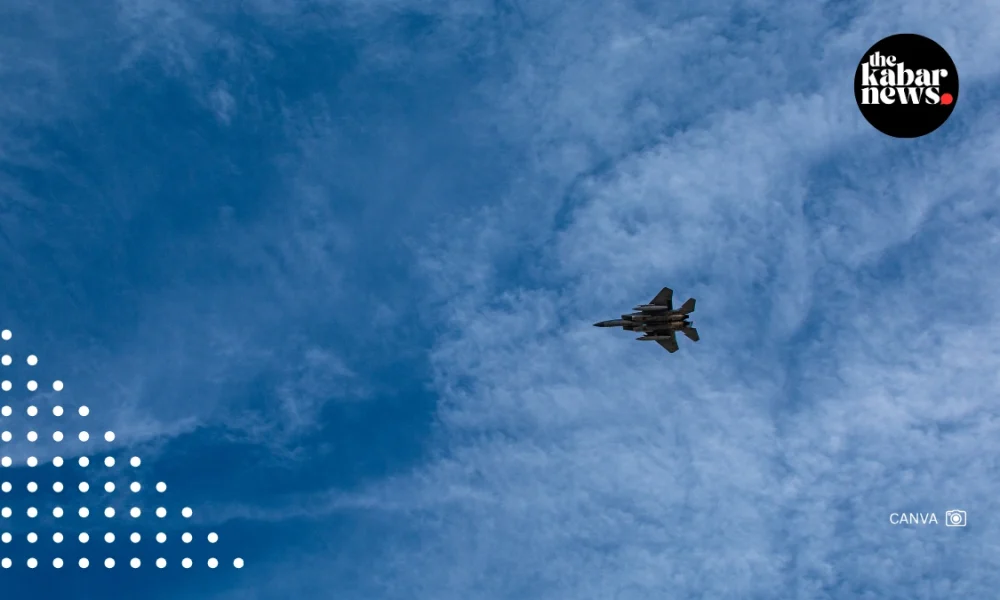
TEHRAN, Thekabarnews.com—Tensions between Iran and the United States escalated sharply on Thursday, May 28. This occurred when Iran fired what it called a retaliatory strike at a U.S. air base. The strike was in response to U.S. military action earlier in the day in southern Iran.
The Islamic Revolutionary Guard Corps (IRGC) stated that the U.S. air base attacked by Iranian forces was the launch point for earlier attacks against Iranian territory. However, Iranian officials did not immediately disclose the location of the targeted installation.
The reported strike is the latest incident in an increasingly tense standoff between Washington and Tehran. It has fueled fears among regional governments and international observers of a broader conflict in the Middle East.
Meanwhile, Kuwaiti military authorities said they were responding to threats from missiles and drones. Officials gave no immediate details of the source of the attacks or the extent of any damage. However, the incidents added to growing fears that the conflict could spread beyond Iran and the United States.
There were also increasing security concerns in the Strait of Hormuz, one of the world’s most strategically important maritime corridors.
Iranian security forces fired warning shots at several vessels that reportedly entered the waterway without proper coordination with Iranian authorities, reports said. The Strait of Hormuz is a key artery for global energy supplies. A large proportion of the world’s seaborne oil exports go through it.
Iranian forces warned an American oil tanker, which then changed course, IRGC-linked media outlets reported. Someone was unable to immediately check those allegations.
Developments over the past few days have renewed the focus of international actors on maritime security in the Gulf region. Shipping companies and energy markets are closely watching the situation. Even a minor disruption can affect global oil prices and trade flows.
Further military exchanges between Iran and the United States could escalate the level of instability across the Middle East. This scenario is especially true if other regional actors get involved.
It also brings the Strait of Hormuz back into sharper focus. The strait is a narrow but important shipping lane that is the linchpin of global energy security.
Past encounters between Tehran and Washington have often raised concerns about shipping disruptions, military escalation, and broader geopolitical instability.
As governments evaluate the changing security environment, international markets and foreign policymakers will be watching the region closely.
Iran and the United States have not said they plan any immediate direct talks in response to the latest incidents.
The military activity is spreading to several areas, and neighboring countries are issuing security warnings. The situation is sparking fears the confrontation could escalate into a more dangerous phase if diplomatic efforts fail to ease tensions.
Regional authorities, meanwhile, are on heightened alert as one of the Middle East’s most sensitive security challenges in years unfolds.





No Comment! Be the first one.