



Gen Z embraces “sleepmaxxing” as healthy sleep becomes the new status symbol
Thekabarnews.com—For years, staying up late has been a common practice among the young. Young people increasingly associated all-nighters, watching television series, scrolling through social media...

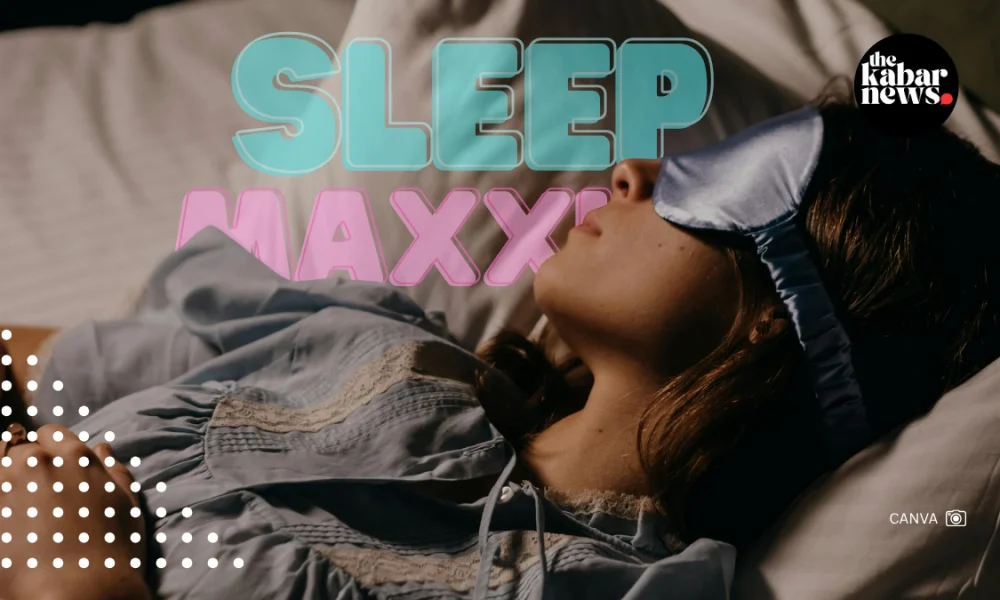
Thekabarnews.com—For years, staying up late has been a common practice among the young. Young people increasingly associated all-nighters, watching television series, scrolling through social media until dawn, and staying constantly connected with productivity. In addition, these habits were part of modern hustle culture.
But these days, there’s a growing trend among Gen Zers for a very different lifestyle: sleepmaxxing.
The wellness movement, the darling of the social media world, tells us that to improve our physical health, mental health, and overall performance, we should get more and better sleep.
Sleepmaxxing is the inverse of the earlier celebration of busy schedules and sleep deprivation. Instead, it emphasizes consistent sleep routines, less screen time before bed, and the creation of sleep environments that promote deeper and more restorative sleep.
Gen Z users are often sharing tips on how to improve sleep quality on TikTok, Instagram, and YouTube. Experts recommend maintaining a consistent sleep schedule, reducing blue-light exposure from phones and laptops, using sleep-tracking devices, and creating a more relaxing bedroom environment.
The trend, health experts say, is a sign of increasing awareness of the importance of sleep to long-term health.
According to the Centers for Disease Control and Prevention (CDC), adults who don’t get enough sleep on a regular basis are at increased risk for several health problems. These problems include decreased concentration, mood disorders, obesity, cardiovascular disease, and impaired immune function.
Research cited by the National Sleep Foundation, Harvard Medical School, and other organizations shows that sleep is important for memory consolidation, emotional regulation, metabolism, and cognitive performance.
And studies have shown for years that long-term sleep deprivation impacts decision-making, productivity, and mental health.
The younger generations are starting to question traditional ideas of productivity and success.
What used to be considered a sign of devotion and diligence is now often viewed as a potentially damaging habit.
In today’s society, sleep is an act of self-care and a long-term investment in your well-being.
The trend could reflect more significant changes in how younger generations define healthy living.
Many Gen Z individuals now prioritize balance, recovery, and sustainable habits over staying constantly connected to the internet.
The rise of sleepmaxxing also comes as young adults become more concerned about burnout, anxiety, and digital overload.
Gen Z is writing a new script that says sleep does not have to be sacrificed for success. Putting sleep first
As interest in sleep science grows, the trend could foster healthy sleep habits. Furthermore, it could boost public awareness of sleep’s role in health.
For a generation raised in a constantly connected environment, achieving a satisfactory night’s sleep may be the ultimate wellness goal.






No Comment! Be the first one.