



Indonesia deploys 61 aircraft for wildfire response
JAKARTA, thekabarnews.com—Indonesia’s National Disaster Management Agency (BNPB) has deployed 61 air assets to support forest and land fire (karhutla) operations across Sumatra, Kalimantan, Java and...

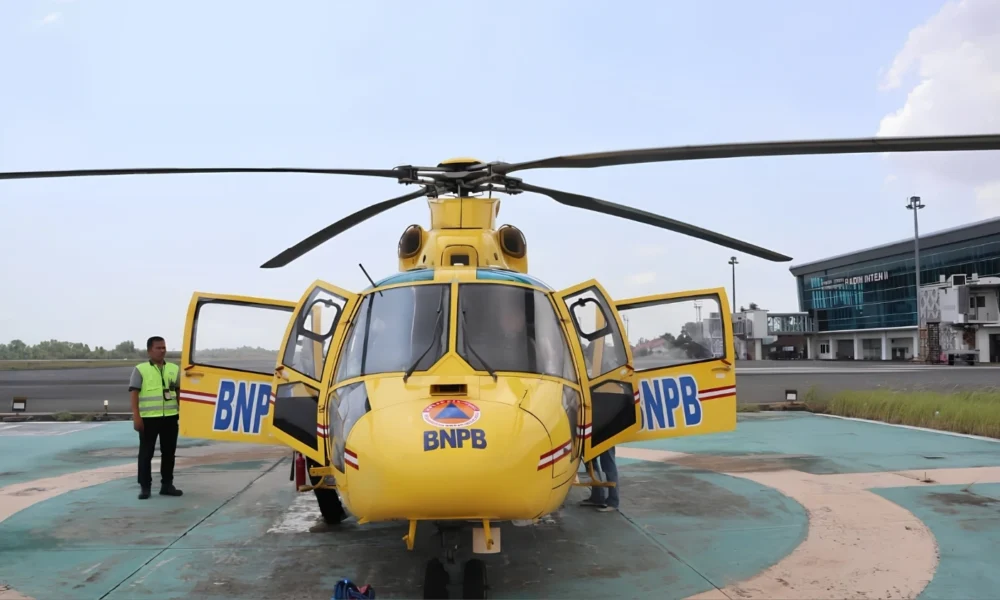
JAKARTA, thekabarnews.com—Indonesia’s National Disaster Management Agency (BNPB) has deployed 61 air assets to support forest and land fire (karhutla) operations across Sumatra, Kalimantan, Java and Papua, according to an agency update published on Oct. 25.
The deployment consists of 24 aircraft assigned to patrol/CASA/weather-modification operations, alongside 37 helicopters used for water bombing. BNPB distributes the fleet according to fire conditions, operational demand and aviation safety requirements.
South Kalimantan received the largest allocation with 15 units, comprising nine patrol/CASA/weather-modification aircraft and six water-bombing helicopters. South Sumatra received 10 units, evenly divided between the two operational categories.
Central Kalimantan also received 10 air assets, including eight water-bombing helicopters. West Kalimantan received nine units, seven of which support aerial firefighting.
Read also: BNPB deploys 39 helicopters as wildfires spread
BNPB assigned five units to Riau and four to Jambi. East Java, Lampung and West Java each received two aircraft, while East Kalimantan and the Nusantara capital area received one water-bombing helicopter. South Papua received one aircraft for patrol or related aerial operations.
The Oct. 25 infographic carries a smaller “Oct. 23” marker beside the fleet total. Therefore, the figures appear to represent an operational inventory compiled on Oct. 23 and published as part of BNPB’s Oct. 25 update.
Air operations support several stages of the wildfire response. Patrol aircraft monitor smoke and locate fires, allowing commanders to direct ground crews toward priority areas.
Water-bombing helicopters target fires in locations that are difficult to reach by land, while weather-modification aircraft seed suitable clouds when atmospheric conditions permit.
However, BNPB has stressed that aircraft do not replace firefighters on the ground. Water bombing works most effectively against smaller fires or in areas with limited ground access.
Read also: BNPB steps up firefighting across six provinces
Ground personnel remain essential for extinguishing residual flames, cooling peat and preventing fires from reigniting. BNPB’s operational guidance also calls for selective helicopter use because accuracy, cost and water availability can affect each mission.
The latest allocation reflects a broader operation than BNPB’s deployment earlier in the fire season. On Aug. 21, the agency reported 39 air assets across six priority provinces.
Those operations combined patrols, water bombing and weather modification under regional command posts. BNPB said at the time that the aircraft supported fire detection and suppression in areas requiring aerial intervention.
Read also: Japan sends three Chinooks to fight West Kalimantan fires
BNPB continues to coordinate the response with regional governments, the Indonesian military (TNI), the National Police (Polri) and other agencies. Aircraft may move between provinces as fires shift or weather conditions change.
The agency has also urged residents and businesses not to clear land by burning. People who detect smoke or flames should immediately notify local disaster-management authorities, firefighters or law enforcement officers.
Preventing new fires remains critical because aerial suppression can only contain part of a wider emergency that ultimately requires sustained action on the ground.



No Comment! Be the first one.