



Bulog rice stock hits 4.5m tons, access still key
JAKARTA, The Kabar News—Indonesia has accumulated about 4.5 million tonnes of government rice reserves (CBP), giving authorities substantial capacity to respond to supply disruptions. However, a...
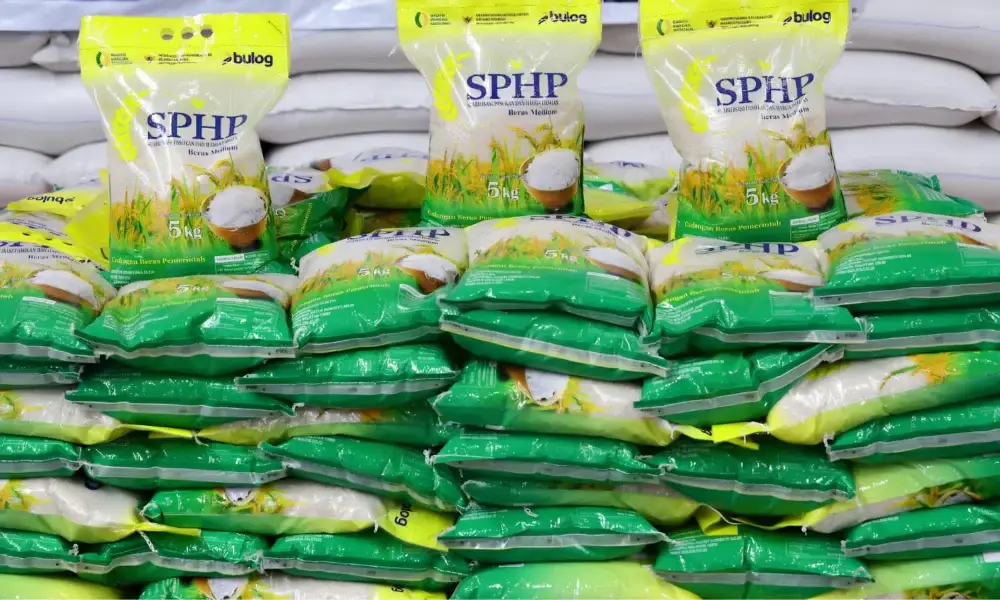
JAKARTA, The Kabar News—Indonesia has accumulated about 4.5 million tonnes of government rice reserves (CBP), giving authorities substantial capacity to respond to supply disruptions. However, a large stockpile alone does not guarantee that households can obtain rice at affordable prices.
State food logistics company Perum Bulog held approximately 4.5 million tonnes of CBP by mid-November 2026. The company built the stock by purchasing domestic paddy and rice throughout the year.
Bulog President Director Ahmad Rizal Ramdhani said the company had procured more than 4.4 million tonnes of milled-rice equivalent in 2026. The figure exceeded the government’s annual target of 4 million tonnes.
“We are committed to achieving sustainable food self-sufficiency in line with President Prabowo Subianto’s directives,” Rizal said in a statement received in Jakarta on Saturday, Nov. 21.
Read also: Indonesia’s rice output hits 34.69 million tons in 2025
Bulog’s reserves reached a record 5.4 million tonnes in the first half of 2026 before declining as the government distributed rice through food assistance and the Food Supply and Price Stabilization (SPHP) program. By mid-November, the stock stood at around 4.5 million tonnes, according to Bulog figures.
“The public need not worry about rice availability ahead of Christmas and the New Year. Bulog currently manages an adequate stock of about 4.5 million tonnes,” Rizal said.
The Indonesian government rice reserve is nominally 22.5 times larger than Malaysia’s 200,000-tonne national buffer stock reported in August. It is also about 15.7 times the 286,580 tonnes stored in Philippine National Food Authority facilities as of Sept. 1.
However, these figures do not represent the countries’ entire rice supplies. They cover government or designated buffer stocks reported on different dates and under different national systems.
Malaysia, for example, also held 1.037 million tonnes of commercial rice in August. Combined with its buffer stock, its physical inventory reached 1.237 million tonnes, which the government said could cover about six months of demand.
Read also: Indonesia’s rice output rises as reserves strengthen
The Philippines held an estimated 1.91 million tonnes of rice across households, commercial warehouses and NFA facilities on Sept. 1. Of that amount, about 286,580 tonnes belonged to the NFA, according to the Philippine Statistics Authority.
Population size, consumption patterns and the role of private inventories also differ among the three countries. The headline ratios therefore compare government-controlled reserves rather than overall food availability or national food-security performance.
The House of Representatives’ Commission XI welcomed Bulog’s stock position during an oversight visit to its main warehouse in Cimahi, West Java, on Nov. 20. Lawmakers nevertheless said the government must pair the reserves with effective distribution, targeted food assistance and affordable consumer prices.
“Success cannot be measured only by how much rice is stored in warehouses,” the commission said in its assessment. Rice must also remain available in markets and accessible to households.
Read also: Indonesia claims self-sufficiency in eight foods
Another concern is stock rotation. Commission XI member Wahyu Sanjaya said some rice had remained in storage for up to eight months, underlining the need to accelerate distribution and modernize warehouses while maintaining quality.
Lawmakers also called for transparent and timely government financing of Bulog’s public-service obligations. Delayed reimbursement could place pressure on the company’s finances even when its physical stock remains strong.
Indonesia’s large reserve provides protection against climate-related production losses and disruptions in international food markets. It also allows the government to release rice when supplies tighten.
You May Also Like: Sponsored Offers
But food security requires more than enough reserves. Bulog and government agencies have to rotate their stocks before they spoil. They must also distribute rice to areas that have shortages and ensure that market interventions get to the consumers. Such measures will transform the stocks in warehouses into guaranteed access to food.






No Comment! Be the first one.