



12 reasons scholars permit the Maulid Nabi
Thekabarnews.com—As Indonesian Muslims observe Maulid Nabi Muhammad on Tuesday, August 25, 2026, the writings of prominent Meccan scholar Sayyid Muhammad bin Alawi al-Maliki al-Hasani have renewed...

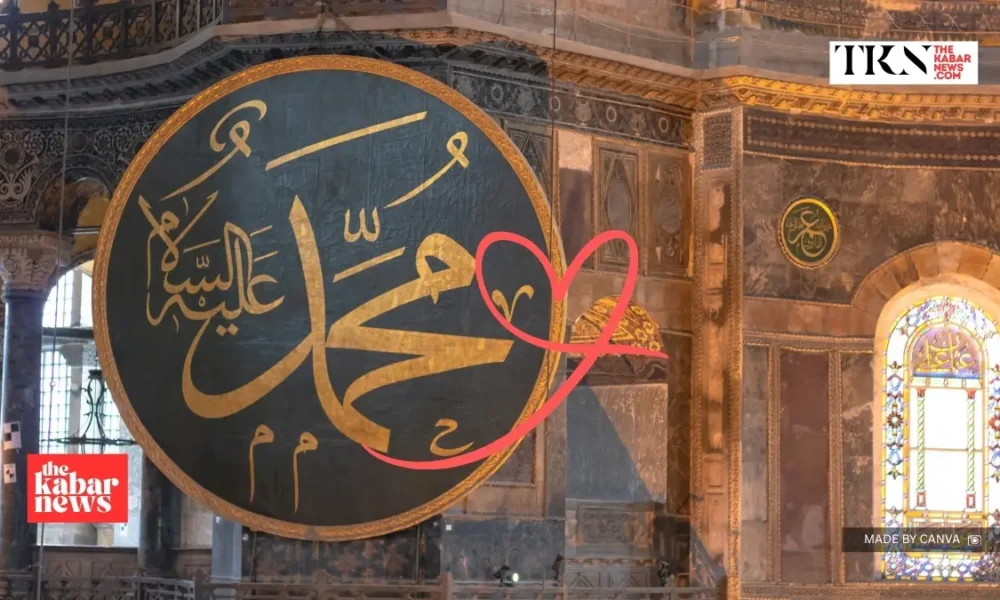
Thekabarnews.com—As Indonesian Muslims observe Maulid Nabi Muhammad on Tuesday, August 25, 2026, the writings of prominent Meccan scholar Sayyid Muhammad bin Alawi al-Maliki al-Hasani have renewed discussion. In particular, people are talking about the religious basis for commemorating Prophet Muhammad ﷺ’s birth.
Indonesia’s government designated August 25 as a national holiday for Maulid. This follows the 2026 joint ministerial decree on public holidays and collective leave.
Al-Maliki, a scholar of hadith who died in 1425 AH, argued that Muslims may hold Maulid gatherings. He said they can receive a spiritual reward when the activities contain permissible acts and remain consistent with Islamic teachings.
NU Online attributes a 12-point explanation to his book Adz-Dzakhair al-Muhammadiyah, pages 319–325.
A more recent Indonesian Ulema Council (MUI) publication cites his separate work, Haul al-Ihtifal bi Dzikri al-Maulid an-Nabawi asy-Syarif. It does this when summarizing similar arguments.
Al-Maliki’s arguments can be summarized in 12 points:
- Muslims express love and joy over the birth of Prophet Muhammad ﷺ through Maulid.
- Muslims use Maulid to express gratitude to Allah.
- Muslims celebrate Prophet Muhammad ﷺ’s arrival as a mercy to humanity.
- Muslims remember significant events in Islamic history through the observance.
- Muslims recite more salawat and blessings upon Prophet Muhammad ﷺ.
- Participants learn about the Prophet Muhammad ﷺ’s birth, life, miracles and mission.
- Speakers highlight his character and contributions to the Muslim community.
- Learning about Prophet Muhammad ﷺ can strengthen Muslims’ faith and love for him.
- Participants may perform dhikr, recite salawat, give charity and attend religious lessons.
- Many Muslim scholars and communities accept the practice.
- Maulid gatherings combine several independently recommended religious acts.
- Supportive scholars classify a properly conducted Maulid as a praiseworthy innovation rather than a prohibited practice.
“Indeed, the Maulid observance includes gathering, remembrance, charity, praise and honoring the Prophet Muhammad ﷺ’ status,” Al-Maliki wrote.
He also referred to the authentic hadith in which Prophet Muhammad ﷺ explained his Monday fast by saying, “On that day I was born, and on that day revelation was sent down to me.”
Muslim scholars do not hold a single position on organizing an annual Maulid celebration.
Some approve it when gatherings feature Quran recitation, religious education, charity and reflection on the Prophet Muhammad ﷺ’s example.
Others oppose designating a recurring celebration that the Prophet and his companions did not conduct.
Muhammadiyah describes the issue as ijtihadiyyah—a matter requiring scholarly interpretation. This is because the Quran and authenticated Hadith do not directly command or explicitly prohibit an annual Maulid celebration.
It says Muslims may hold the event when it provides genuine religious and social benefits. They should avoid waste, superstition, prohibited conduct and empty ceremony.
The observance, therefore, should not become a source of hostility among Muslims.
Its value is dependent on whether it leads to worship, knowledge, or charity. It depends on the practice of the character of the prophet Muhammad ﷺ in daily life.




No Comment! Be the first one.