



OpenAI CEO Sam Altman says AI has not replaced entry-level jobs
Thekabarnews.com – Sam Altman, chief executive of OpenAI, has admitted that he overestimated the rate at which artificial intelligence (AI) would replace entry-level white-collar jobs. He said...

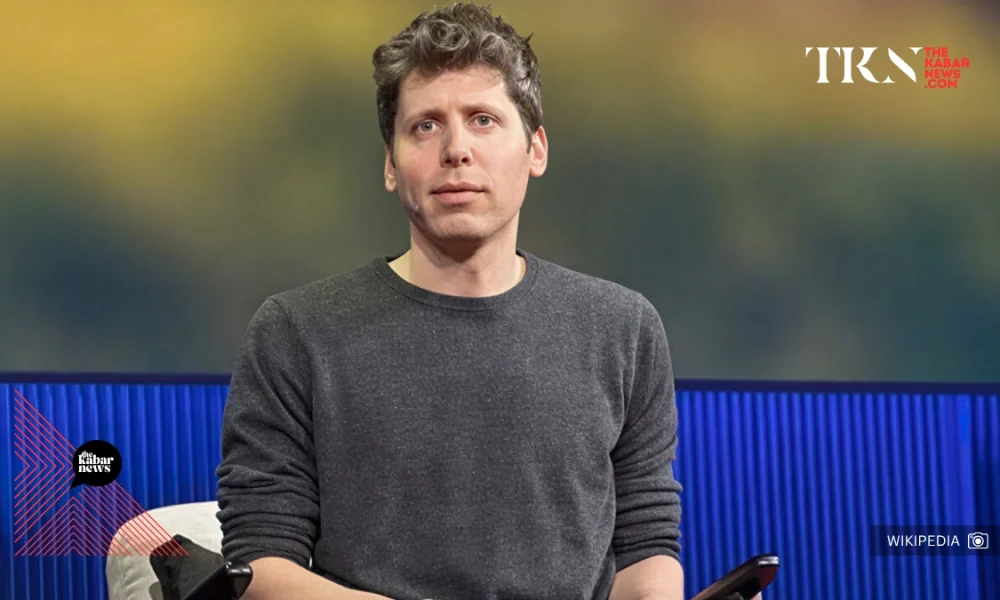
Thekabarnews.com – Sam Altman, chief executive of OpenAI, has admitted that he overestimated the rate at which artificial intelligence (AI) would replace entry-level white-collar jobs. He said recent experience had convinced him that human interaction remains an essential element of the modern workplace.
Speaking virtually at the Commonwealth Bank of Australia conference in Sydney on Tuesday, June 16, Altman said AI has not transformed the labor market as quickly as he expected. According to Reuters, the OpenAI chief expected automation to have eliminated far more entry-level jobs by now.
“I’m delighted to be wrong about this,” Altman said at the conference.
Altman said his adjusted forecast was based not only on wider labor market trends. It was also based on his experience of using AI in day-to-day communication.
He said he had experimented with artificial intelligence to handle his Slack messages and emails. Moreover, he let AI systems generate and send replies on his behalf.
The tech was excellent for handling routine communication, but the experience was one that AI could never fully replicate.
According to Altman, he realized that real human interaction counts for a lot more in professional relationships than he previously thought.
But he concluded that even as generative AI technology advances rapidly, “the human part” of work remains particularly difficult to automate.
His remarks are a stark departure from earlier forecasts. Previously, many believed that AI would rapidly transform white-collar jobs by automating many routine office activities.
Since the rapid arrival of generative AI tools like ChatGPT, many economists and business leaders have debated how quickly companies would replace entry-level jobs with AI-powered systems.
AI is making the workforce more productive in just about every sector. The latest labor market trends indicate that a significant number of companies have adopted AI as an auxiliary tool for their employees. Still, most companies have not replaced their employees completely.
Businesses are increasingly turning to AI for help drafting documents, analyzing data, writing software, conducting research, and automating repetitive administrative tasks. As a result, AI is freeing up employees to focus on higher-value work and human-to-human communication. This is especially important at this crucial time.
Altman’s comments arrive at a pivotal moment for OpenAI. As per reports, the company is preparing to confidentially file for an initial public offering (IPO) in the United States. This could value the AI developer at about US$1 trillion. It could also make it one of the world’s most valuable technology companies.
Following the widespread acceptance of generative AI models like ChatGPT, OpenAI has established itself as a significant actor in the worldwide AI sector.
The company’s explosive growth has spurred ongoing conversations about the future of work, workplace productivity and the changing human-AI relationship.
Altman said that while the capabilities of AI are increasing, technology alone can’t fill in for the trust, collaboration, empathy, and personal connections that characterize many workplace interactions.
His most recent assessment presents a more measured view of the longer-term role of AI in employment.
Altman now believes that artificial intelligence is more likely to change the way people work than to cause a sudden wave of job losses. However, many uniquely human aspects of professional life will remain intact.






No Comment! Be the first one.