



China’s Hukou reform may boost consumer spending and ease trade imbalances
BEIJING, THekabarnews.com—China is speeding up reforms of its decades-old hukou system as policymakers seek to boost domestic consumption. They also aim to reduce excessive household savings and ease...

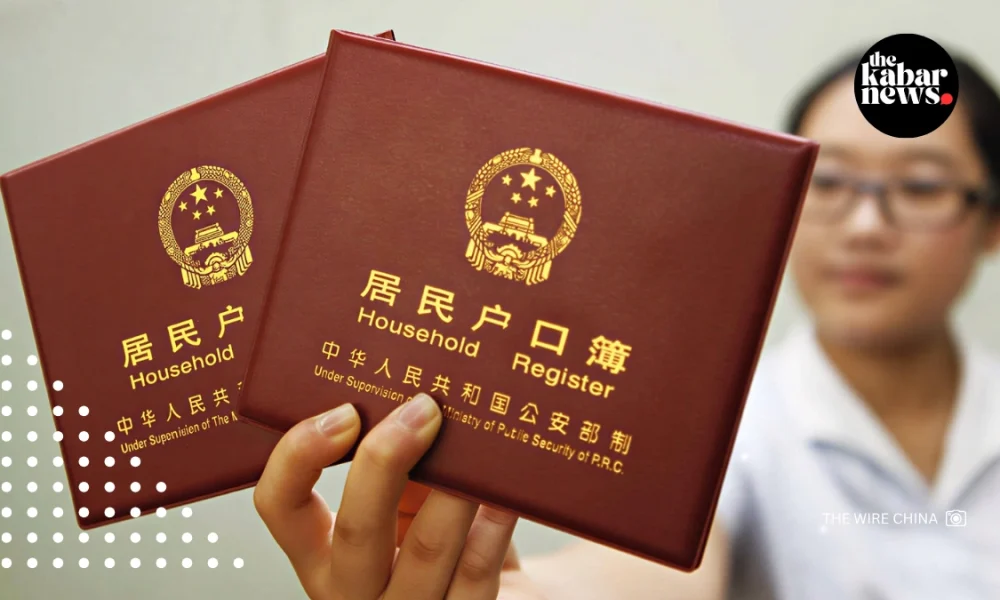
BEIJING, THekabarnews.com—China is speeding up reforms of its decades-old hukou system as policymakers seek to boost domestic consumption. They also aim to reduce excessive household savings and ease growing concerns from international trading partners about the country’s persistent trade surplus.
For years, the world’s biggest economies have accused China of exporting far more than it imports. The imbalance has allowed China to rack up big trade surpluses.
But it also has caused friction with trading partners. They say the country’s economic model is too reliant on manufacturing and exports, not domestic consumption.
The unusually high savings rate among Chinese households is one of the structural drivers of China’s export-driven growth model.
Chinese families tend to save a large part of their income, rather than spend it. Unlike consumers in many developed economies, they prefer saving.
Such behavior tends to suppress domestic demand. Consequently, it makes the country more reliant on exports as a major driver of economic growth.
Migrant workers are one of the most notable contributors to China’s high savings culture. Each year millions of people leave rural areas for the major cities in search of jobs.
But many migrants still encounter restrictions under China’s household registration system, called the hukou system, or internal passport system.
Under the system, access to public services such as health care, education, housing assistance, and social welfare benefits is tied to a person’s registered hometown. Their current location does not form the basis.
Consequently, migrant workers in urban areas often experience uncertainty about healthcare costs, children’s education, retirement benefits, and social protection.
Such uncertainty prompts many migrants to save aggressively as a hedge against future financial risks.
The Chinese government has been increasingly aware of the economic consequences of this pattern.
Policymakers also want to reform the hukou system and expand access to public services. They hope these changes will cut precautionary saving and encourage consumers to spend more.
Such reforms, analysts say, are fundamental to China’s broader transition from an export-driven economy to a more consumption-led growth model.
A stronger domestic consumer market would help sustain economic growth, as well as ease trade tensions with overseas partners.
Trade tensions have flared in some countries. These countries have threatened to impose tariffs on Chinese goods over concerns about trade imbalances and the rapid growth of Chinese exports around the world.
Boosting domestic consumption to ease China’s reliance on overseas demand by increasing imports could help address some of those concerns. Reforms can also yield significant social benefits.
Better access to health care, education, and social services can help raise the living standards of millions of migrant families. It can also narrow the economic gap between urban residents and migrant groups.
Hukou reform is one of the most critical structural changes China can make in the years ahead, although challenges remain.
Beijing is increasingly looking to build household confidence and unleash consumer spending as a source of long-term growth. Instead of relying on industrial output and exports alone, they want a new approach.
China’s success in reforming its internal barriers may prove as important as its efforts to navigate external trade disputes.
By removing the invisible barriers restricting social mobility and economic security, China could create a more balanced economy. Moreover, it could strengthen its relations with trading partners worried about the country’s large trade surplus.
The future of the hukou system is likely to be a central theme in domestic reform discussions. It will also play a role in global economic dialogues as Beijing continues to modernize its economy.




No Comment! Be the first one.