



New study suggests five minutes of prayer may help reduce pain and anxiety
Thekabarnews.com—A new clinical study joins the increasing scientific interest in the link between spirituality and health. It discovers that only five minutes of in-person prayer can potentially...

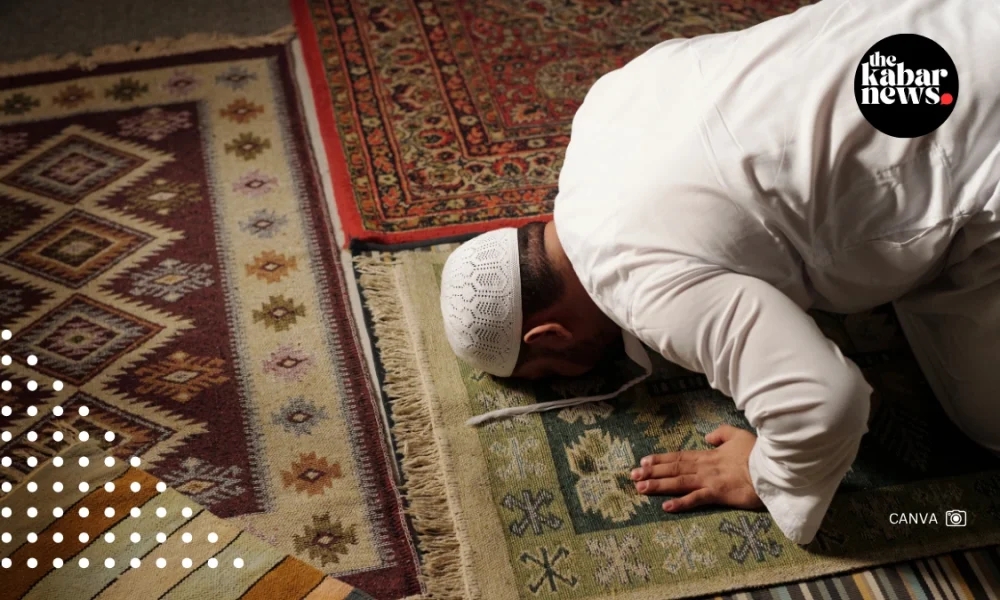
Thekabarnews.com—A new clinical study joins the increasing scientific interest in the link between spirituality and health. It discovers that only five minutes of in-person prayer can potentially reduce pain and anxiety in patients.
In a randomized controlled trial, researchers at the University of Maryland School of Medicine recruited 180 adult patients with moderate to severe pain, anxiety, or both.
Participants received five minutes of face-to-face prayer from trained volunteers. Alternatively, they listened to music for five minutes after their medical appointments, as cited in Fox News.
Researchers found that both groups showed some improvement. But patients who had prayer reported significantly greater reductions in pain and anxiety than those who listened to music.
Participants reported immediate benefits from the session, with some effects lasting several weeks. The researchers found that anxiety reductions remained statistically significant at the two- and six-week follow-up periods.
Published in The Annals of Family Medicine, the study examined a practice called proximal intercessory prayer. This is directly and personally praying for the well-being of another person. The researchers proposed the approach as a low-cost, non-pharmacological complement to traditional medical care.
The findings come against the backdrop of wider scientific interest in the effects of spiritual practices, meditation, mindfulness, and breathing exercises on physical and mental health.
There’s a wealth of research to show that contemplative, prayer-like practices are associated with less stress and better regulation of emotions. Studies also note less anxiety and overall improved well-being.
Recent research has also shown that techniques that encourage calmness and reflection can stimulate the parasympathetic nervous system of the body. This aids in decreasing heart rate, lowering blood pressure, and helping recovery from stress.
For many Muslims, such practices are a reflection of teachings that have been part of the Islamic tradition for centuries.
The Quran also stresses the spiritual and emotional solace of the remembrance of Allah. In Surah Ar-Ra’d (13:28), Allah mentions:
ٱلَّذِينَ ءَامَنُوا۟ وَتَطْمَئِنُّ قُلُوبُهُم بِذِكْرِ ٱللَّهِ ۗ أَلَا بِذِكْرِ ٱللَّهِ تَطْمَئِنُّ ٱلْقُلُوبُ
“Those who have believed and whose hearts are assured by the remembrance of Allāh. Unquestionably, by the remembrance of Allāh hearts are assured.”
The Muslim teachings also at many points encourage the believers to seek comfort in prayer during difficult times. Allah says in Surah Al-Baqarah (2:153):
يَـٰٓأَيُّهَا ٱلَّذِينَ ءَامَنُوا۟ ٱسْتَعِينُوا۟ بِٱلصَّبْرِ وَٱلصَّلَوٰةِ ۚ إِنَّ ٱللَّهَ مَعَ ٱلصَّـٰبِرِينَ
“O you who have believed, seek help through patience and prayer. Indeed, Allāh is with the patient.”
The Prophet Muhammad ﷺ also spoke of the calming effect of prayer. Sunan Abu Dawud narrates that the Prophet would say:
يا بلال، أقم الصلاة، أرحنا بها
“O Bilal, call iqamah for prayer: give us comfort by it.” Sahih (Al-Albani).
Numerous Islamic scholars consider this narration as evidence that prayer serves as not only a form of worship but also as a means of spiritual growth. In addition, they see it as a means of emotional solace, inner tranquility, and spiritual fortitude.
Prayer should never be considered a substitute for professional medical treatment. They propose that spiritual practices could support health care by helping people cope with stress, anxiety, and emotional problems.
Researchers also mention that the relationship between religion, spirituality, and health is among the complex fields of study.
Though some research has shown measurable benefits, scientists are still studying how the interactions between belief systems, social support, emotional regulation, and physiological responses work together. They hope to understand how these factors influence health outcomes.
Still, the new findings add to a body of evidence that spiritual practices may be an important contributor to overall well-being.
In the midst of increasing stress, anxiety, and mental health problems in today’s societies, this study serves as a reminder. Even a few minutes of contemplation, prayer, and spiritual connection can offer measurable benefits for the mind and body.






No Comment! Be the first one.