



Bahlil pushes direct resource exports from 2027
JAKARTA, The Kabar News—Indonesia plans to route natural-resource exports directly to destination markets through PT Danantara Sumberdaya Indonesia (DSI) from 2027, Energy and Mineral Resources...

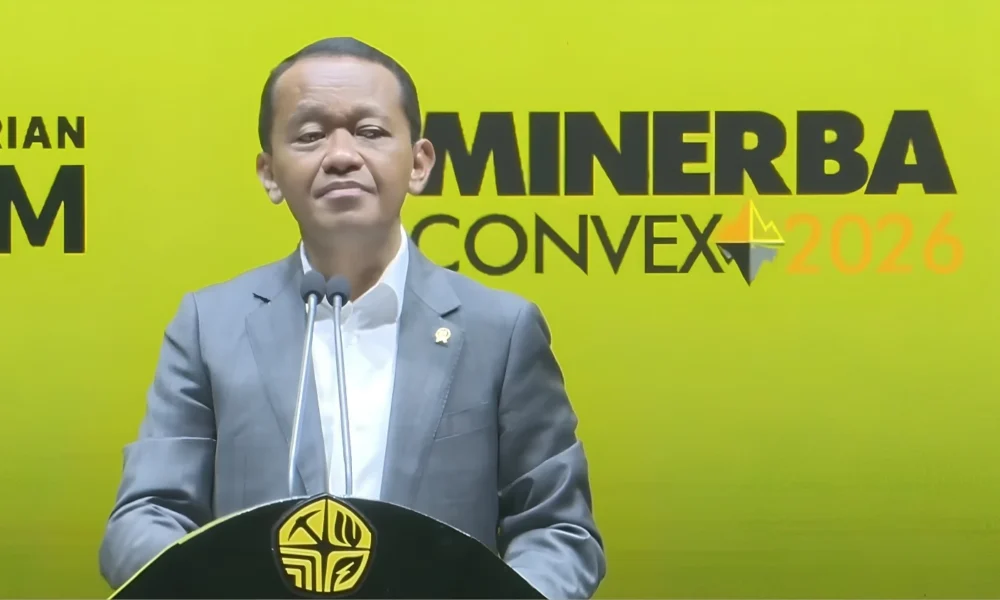
JAKARTA, The Kabar News—Indonesia plans to route natural-resource exports directly to destination markets through PT Danantara Sumberdaya Indonesia (DSI) from 2027, Energy and Mineral Resources Minister Bahlil Lahadalia said on Monday.
The proposal covers commodities including coal, minerals, oil and liquefied natural gas. The government says the single-gate arrangement could improve trade reporting and reduce practices such as transfer pricing and under-invoicing.
“We are coordinating well with DSI. We will go through one gate, through DSI,” Bahlil said after the Minerba Convex 2026 event on Nov. 2.
Bahlil, who also serves as coordinating minister for downstreaming and energy transition, said exporters should ship Indonesian commodities directly to their final markets instead of routing them through third-country trading hubs.
“They should not pass through another country only to receive a stamp and then be recorded as that country’s export,” Bahlil said.
Read also: Indonesia’s mineral exports rise as volumes diverge
The government established DSI as a state-owned export company to strengthen oversight of natural-resource transactions. According to the Energy and Mineral Resources Ministry, the initiative aims to address export practices that may reduce state revenue. Additionally, it seeks to address practices that obscure a commodity’s actual value.
Officials have not yet published the full operational rules, including how DSI will work with private exporters or handle existing sales contracts. However, Bahlil said the government had evaluated an initial transition phase in August. The government was preparing the mechanism for implementation in 2027.
Mineral and Coal Director General Tri Winarno estimated that about 50 million to 60 million tonnes of coal linked to Indonesia may pass through Singapore-based trading arrangements.
“Perhaps around 50 million to 60 million tonnes of coal passes through there. There is no coal there, is there?” Tri told reporters at the ministry’s headquarters.
Read also: Indonesia halts imports of key food commodities, strengthens food security in 2026
However, Tri did not confirm that all coal recorded as Singaporean exports originated in Indonesia. He provided no supporting customs breakdown, making the figure an official estimate rather than a verified trade total.
The distinction between physical transit and commercial trading is also important. Commodity companies based in Singapore can arrange sales between producers and buyers without the cargo entering a Singaporean port.
Singapore made the same distinction when responding to Bahlil’s earlier remarks about LNG. Its government said Singapore-based companies traded LNG globally. However, the cargoes generally travelled directly from producing countries to their buyers rather than physically passing through Singapore.
Indonesia’s direct-export policy could make commodity transactions easier to trace and strengthen the government’s bargaining position. Its success, however, will depend on transparent pricing and independent audits.
The government must also prevent the single-gate mechanism from creating delays, excessive costs or market concentration while honoring existing commercial contracts.



No Comment! Be the first one.