



BRIN research targets fires, palm waste and malaria
JAKARTA, thekabarnews.com—President Prabowo Subianto has directed Indonesia’s National Research and Innovation Agency (BRIN) to accelerate research that can address forest fires, strengthen energy...

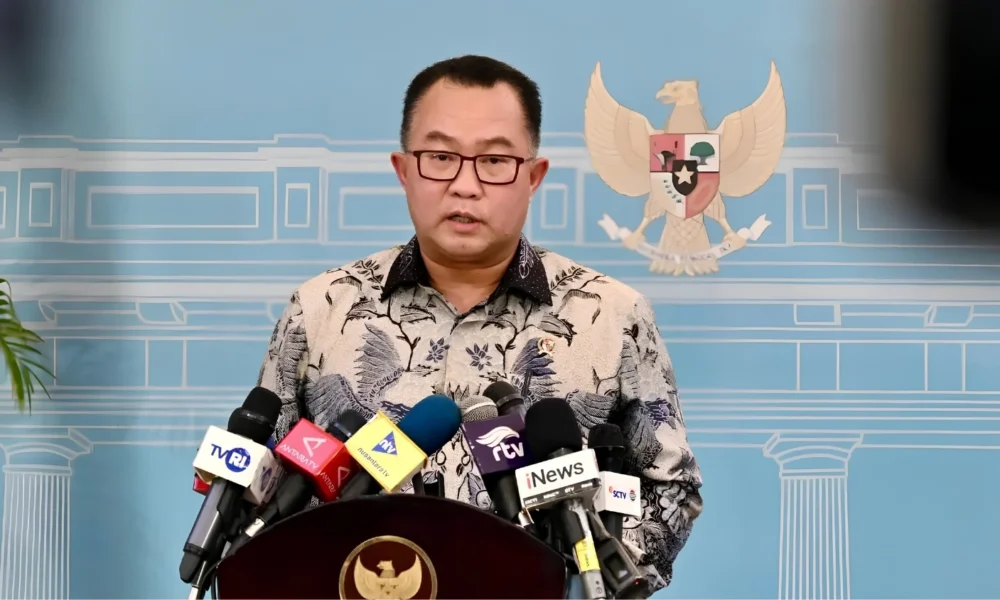
JAKARTA, thekabarnews.com—President Prabowo Subianto has directed Indonesia’s National Research and Innovation Agency (BRIN) to accelerate research that can address forest fires, strengthen energy security and support malaria control.
Prabowo issued the directive during a meeting with BRIN head Arif Satria at the Merdeka Palace in Jakarta on Tuesday, Oct. 27. Arif presented updates on strategic research projects and their potential application across Indonesia.
In wildfire management, BRIN has worked with the Meteorology, Climatology and Geophysics Agency (BMKG), the National Disaster Mitigation Agency (BNPB) and the Forestry Ministry. The Indonesian Air Force has also supported weather-modification operations, including cloud-seeding missions using dry ice.
“The President continues to monitor forest and land fires. He emphasized that research must provide solutions for the short, medium and long term,” Arif said in an official presidential statement.
Read also: BRIN develops new satellite generation for disaster monitoring and earth observation
BRIN is developing models to study how fires spread under different environmental conditions. Researchers expect the models to support earlier intervention and help authorities allocate personnel more effectively. The work complements the government’s broader effort to improve hotspot detection and prevent peatland fires.
Arif also reported on research into waste from palm oil mills and empty fruit bunches. BRIN estimates that converting these waste streams into biogas and electricity could offer around 3.9 gigawatts of potential capacity.
The figure represents estimated potential rather than electricity already connected to the national grid. Commercial use would still require investment and viable processing facilities. The government nevertheless views palm-waste energy as one possible way to reduce dependence on imported liquefied petroleum gas.
In the health sector, BRIN is developing four malaria vaccine candidates. Prabowo instructed researchers to shorten the development period by three years and pledged government support for the process.
Read also: Prabowo pushes national waste management reform, targets full control within three years
“The president asked us to accelerate the vaccine research,” Arif said. “With his support, we hope to complete it three years earlier than initially planned.”
The project carries public-health significance as Indonesia pursues nationwide malaria elimination by 2030. The Health Ministry recorded 346,866 cases through July 2026, although 414 districts and cities had achieved elimination status by that time, according to official ministry data.
BRIN is also advancing 19 standardized herbal-medicine candidates toward fitofarmaka status, which requires stronger scientific evidence and regulatory assessment.
Read also: Pontianak secures Rp157 billion for waste overhaul
Prabowo additionally instructed BRIN to accelerate household- and village-scale waste technologies under the government’s ASRI environmental campaign.
Arif noted that BRIN develops prototypes but does not mass-produce them. The agency will therefore need government institutions, universities and private partners to bring viable technology into wider use.
The research agenda now faces a practical test: converting laboratory findings into safe and affordable solutions. Its impact will depend on regulatory approval, sustained financing and the capacity to deploy proven innovations in communities.


No Comment! Be the first one.