



Indonesian govt eyes US$45B as nickel moves up value chain
TANGERANG, thekabarnews.com—The Indonesian government has set a minimum target for nickel exports of US$45 billion for 2026, extending a drive to process minerals domestically instead of selling them...

TANGERANG, thekabarnews.com—The Indonesian government has set a minimum target for nickel exports of US$45 billion for 2026, extending a drive to process minerals domestically instead of selling them as raw materials.
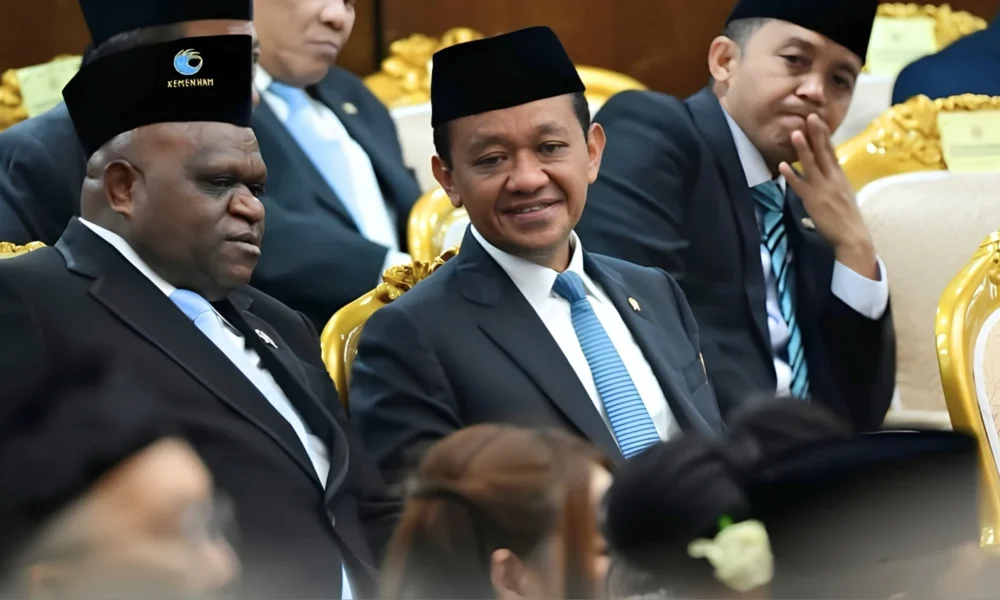
Coordinating Downstreaming and Energy Transition Minister Bahlil Lahadalia announced the target while opening the 41st Trade Expo Indonesia in Tangerang on Wednesday, Oct. 14. Bahlil, who also serves as energy and mineral resources minister, said domestic processing had substantially increased the value generated by Indonesia’s nickel industry.
Government data put nickel-related exports at approximately US$3.3 billion in 2017 and 2018. In 2023, their value reached US$34 billion, and by 2025, it had surpassed US$40 billion.
The Indonesian government introduced its ban on nickel ore exports in January 2020 to encourage companies to build processing capacity inside Indonesia.
Read also: Indonesia targets $45 billion in nickel exports for 2026
“Downstreaming is key to increasing the added value of Indonesia’s natural resources while strengthening national economic independence,” Bahlil said.
The export figures cover processed nickel products across the industrial supply chain rather than raw nickel ore alone. These products include ferronickel, nickel pig iron and stainless steel. Indonesia is also developing facilities that produce mixed hydroxide precipitate and other materials used in electric-vehicle batteries.
Bahlil said the policy extended beyond building smelters. The government wants downstream investment to support related industries and increase the involvement of Indonesian businesses. It also expects the expanding industrial base to create employment and strengthen domestic technological capabilities.
Read also: Indonesia’s nickel boom raises alarm over environmental and safety risks
Indonesia plans to apply the same value-addition approach to other natural resources through 2040. The Investment and Downstreaming Ministry’s strategic roadmap covers 28 commodities across eight sectors.
The government estimates that projects listed in the roadmap could require or attract US$618.1 billion in investment. The figure represents investment potential—not the value of completed transactions.
The sectors include minerals and coal as well as oil and gas. The roadmap also covers plantation products, forestry and fisheries.
The program could create well over 3 million jobs by 2040. The government estimates that it could add US$235.9 billion to gross domestic product and generate as much as US$857.9 billion in export potential if the planned projects materialize.
“Our downstreaming master plan sets a target of US$618 billion by 2040,” Bahlil said.
Those projections remain dependent on investment realization and the competitiveness of Indonesian products. Export earnings can also change with global commodity prices, production volumes and demand from major markets.
Read also: Prabowo reviews energy security with minister Bahlil as global tensions rise
For Indonesian suppliers, the expanding project pipeline could create opportunities in engineering and industrial maintenance. Local companies could also provide equipment, logistics or professional services. Their ability to participate, however, will depend on technical capacity and access to financing.
The US$45 billion nickel target will therefore measure more than export growth. It will also test whether Indonesia can deepen its domestic supply chain and distribute the economic benefits of mineral processing beyond large industrial complexes.




No Comment! Be the first one.