



Vietnam’s steel industry achieves major milestone with record output growth
Thekabarnews.com—Vietnam has officially been ranked among the world’s top 10 steel-producing countries, a major milestone in its industrial development. This comes after decades of investment,...

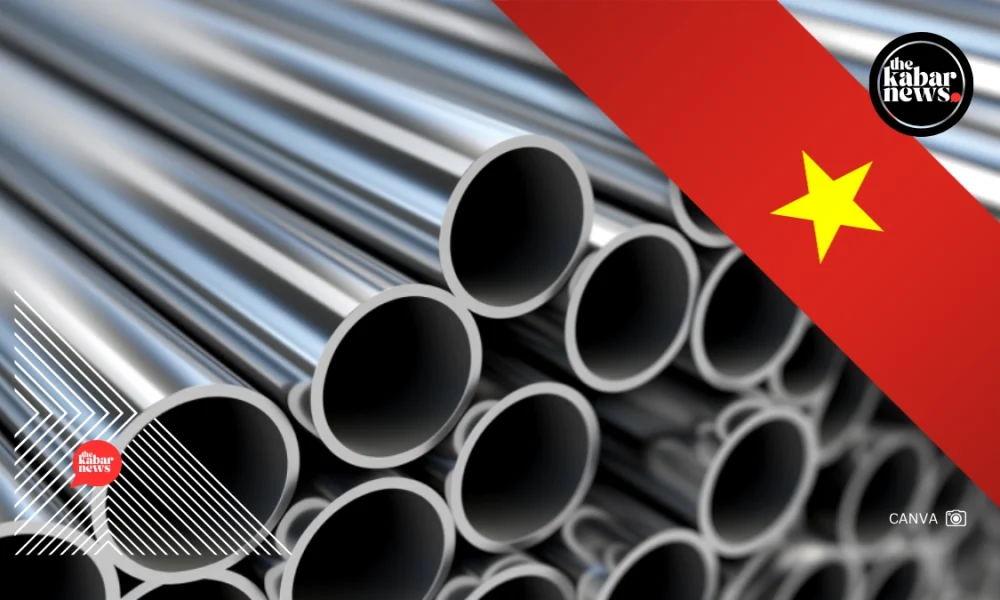
Thekabarnews.com—Vietnam has officially been ranked among the world’s top 10 steel-producing countries, a major milestone in its industrial development. This comes after decades of investment, modernization, and structural reform.
Vietnam produced 2.1 million metric tons of crude steel in April 2026, making it the world’s 10th largest crude steel producer for the month. As shown by the latest data from the World Steel Association, that is 4 percent more than the same period last year.
The growth figures have helped Vietnam jump ahead of Italy in the world rankings. Furthermore, they cement the country’s position as the top steel producer in Southeast Asia.
Vietnam’s crude steel output rose by 8.4 percent year-on-year to 8.5 million metric tons in the first four months of 2026. This performance underscores the country’s vast industrial transformation and growing role in global manufacturing supply chains.
The steel industry in Vietnam 20 years ago was nowhere near what it is today.
In the early 2000s, domestic steel producers had to rely on imported billets and semi-finished steel products. This was necessary to meet the demand of the booming construction sector in the country.
At that time, Vietnam had limited upstream production capacity and relied on foreign suppliers for key industrial inputs.
Over the years, however, the government and the private sector have invested heavily in the integrated steel manufacturing facilities. This includes logistics infrastructure, industrial zones, and export-oriented production capabilities.
Those investments have turned Vietnam from a steel importer into a major producer capable of competing in the world.
Vietnam’s long-term industrial planning, large inflows of foreign direct investment, and the growing manufacturing ecosystem in the country drive its success.
The growth in construction, real estate, automotive manufacturing, infrastructure development, and export manufacturing sectors has helped bolster domestic demand for steel products.
Southeast Asia matters to Vietnam’s ascent as a steel powerhouse.
But now many regional competitors, like Indonesia, one of the region’s largest economies, have yet to match the pace of growth in steel production in Vietnam. Consequently, they are falling behind the rest of the country.
The industry estimates Indonesia’s steel production to be at around 19 million tons a year. This is an average of around 1.58 million tons a month.
Indonesia still possesses a fairly significant steel industry. However, the current figures on production in Vietnam indicate that it is steadily increasing the gap in output and its position in the world market.
Steel production is a key indicator of industrial capability. Experts often use it as a measure of industrial capability. Steel is vital to infrastructure, manufacturing, transportation and economic development.
Countries with a powerful steel industry are more competitive in construction, shipbuilding, machinery manufacture, and car production.
Vietnam’s growth also reflects broader economic trends that have helped turn it into one of Asia’s fastest-growing manufacturing hubs.
Recently, multinationals have diversified their supply chains, turned to alternatives in the region, and expanded their operations in Vietnam.
The ongoing industrial boom has had a direct effect on the steel sector. As a result, it is creating a positive cycle of investment, higher production, and export competitiveness.
New projects coming on stream and high domestic demand will see Vietnam’s steel output continue to rise in the future.
Vietnam’s development path indicates that the country is becoming increasingly visible in the global steel industry, despite the challenges of global oversupply, environmental regulations, and fluctuating raw material prices.
Vietnam’s success is a powerful lesson for policymakers across Southeast Asia. It demonstrates how a generation of stable industrial investment and long-range economic planning can alter a country’s manufacturing capacity.




No Comment! Be the first one.