



The AI preacher millions thought was real: a digital lesson in trust and technology
Thekabarnews.com—On the surface, she appeared no different from the hundreds of religious speakers on social media. Clad in a simple headscarf and speaking softly behind a microphone, “Ustazah Hajar”...

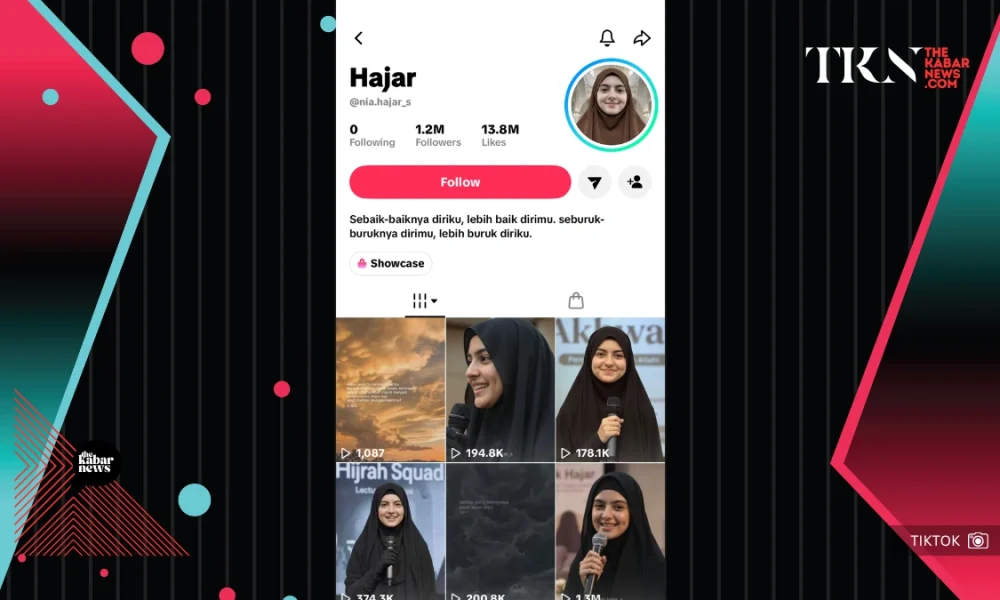
Thekabarnews.com—On the surface, she appeared no different from the hundreds of religious speakers on social media.
Clad in a simple headscarf and speaking softly behind a microphone, “Ustazah Hajar” gave short religious messages that captivated millions of viewers on TikTok. Her videos received comments, shares, and messages of gratitude from viewers. Many felt they were listening to a real Islamic preacher.
Artificial intelligence (AI) completely manages the popular TikTok account of the virtual preacher, @nia.hajar_s. By June 27, the account had well over one million followers and 12.1 million likes. This demonstrates the speed at which AI-generated personalities are becoming part of daily digital life. Remarkably, this is happening even without a human presenter.
The phenomena have prompted conversations much beyond social media. These discussions address fundamental challenges around digital literacy, authenticity, and the increasing sophistication of generative AI. For many observers the illusion was quite convincing.
The facial expressions, lip movements, voice, and camera presentation were similar to a real content producer. Consequently, it was impossible for consumers to tell the difference between a human speaker and a computer-generated character.
Firman Kurniawan, a researcher in culture and digital communication, points out various traits that suggest the movies use artificial intelligence. One of the most obvious indications, he said, is in the voice.
“The intonation is quite regular and ordered. In normal conversation people pause, halt, and take time to consider before they continue,” Firman stated. The highly constant rhythm and cadence of AI-generated speech serve as a clear indication of its artificial production.
He said developments in AI technology have substantially lowered the hurdles to creating realistic digital entertainment.
Powerful software is now more affordable, accessible, and user-friendly than ever. Now you don’t need any technical expertise to make convincing AI-generated videos; just follow tutorials on the internet.
Thus, synthetic content has become widespread in entertainment, education, marketing, and social media.
“You see AI-generated material everywhere on digital platforms now because it’s low-cost and accessible and the quality is getting better and better,” Firman says.
The viral success of “Ustazah Hajar” is an example of a larger shift in how people consume information online.
Traditionally audiences have depended on visual appearance and voice to determine genuineness. But today, those familiar indicators no longer guarantee a person on television genuinely exists.
That’s why digital literacy experts recommend people fact-verify material before trusting that online personalities are real. This is especially important when content deals with religion, health, finance, or other sensitive areas.
The arrival of AI-generated public figures is another indicator of a shifting connection between technology and human communication.
AI can open up new paths, increase accessibility, and help develop instructive content. At the same time, its increasing realism requires audiences to be more critical consumers of digital media.
Ultimately, “Ustazah Hajar” transcends being merely a viral TikTok account.
It’s a reminder that the internet is entering a new age when technology can successfully mimic human presence. In that sense, curiosity, critical thinking and appropriate usage of AI may be as vital as the technology itself.
For millions who scan social media daily, the next inspiring speaker, teacher, or influencer may not even be human. Instead, it could be a meticulously created AI system.



No Comment! Be the first one.