



Nearly Rp7 trillion BPS budget draws DTSEN scrutiny
JAKARTA, thekabarnews.com—The finance minister, Purbaya Yudhi Sadewa, has urged Statistics Indonesia (BPS) to improve the National Socioeconomic Single Data (DTSEN) system. The government is...

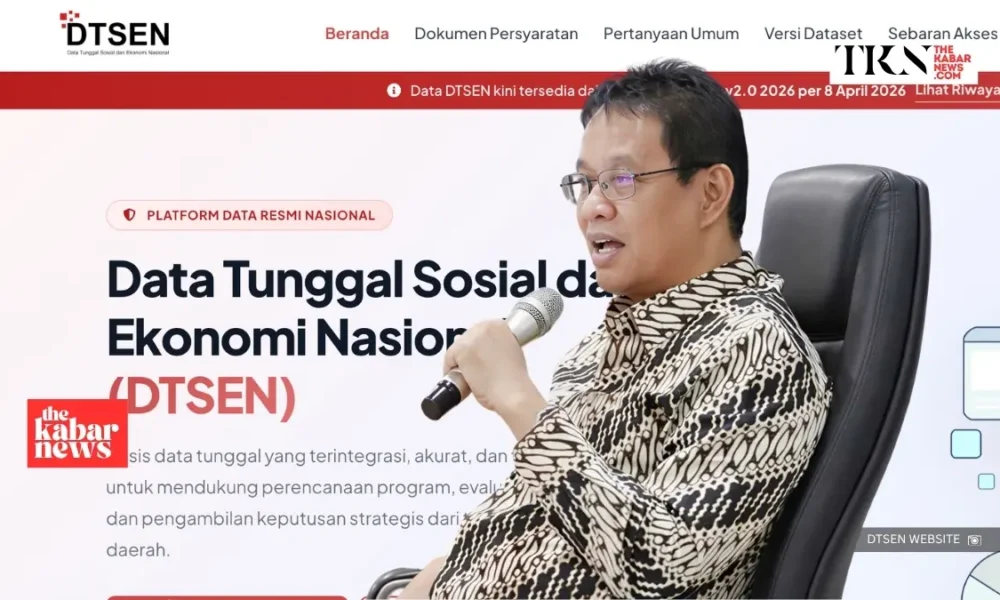
JAKARTA, thekabarnews.com—The finance minister, Purbaya Yudhi Sadewa, has urged Statistics Indonesia (BPS) to improve the National Socioeconomic Single Data (DTSEN) system. The government is preparing to use household welfare classifications for social assistance and fuel subsidies.
Speaking at the Finance Ministry in Jakarta on Wednesday, August 26, Purbaya acknowledged that the database still contains classifications that may not accurately reflect households’ economic circumstances.
The issue has gained urgency because the government is considering restricting subsidized Pertalite gasoline for households classified in deciles 9 and 10.
DTSEN divides households into 10 relative welfare groups, with higher deciles representing households assessed as more economically secure.
The government has not finalized or fully implemented the proposed Pertalite restriction. Officials are still preparing the system and plan to review disputed records individually while BPS updates the database.
“I have allocated a substantial amount to BPS this year,” Purbaya said, referring to funding for the BPS’ operations and programs.
Purbaya initially linked almost Rp7 trillion in funding to DTSEN improvements and census activities.
The Finance Ministry later clarified that the figure represented BPS’ overall allocation for operations and programs. It was not funding exclusively assigned to DTSEN or the 2026 Economic Census, according to The ministry issued the clarification on August 27.
DTSEN combines information from several government databases. For example, it includes the Socioeconomic Registration, the Extreme Poverty Eradication Acceleration database and the Integrated Social Welfare Data.
The government has begun using it to improve the targeting of social assistance and other public programs. This is according to the Finance Ministry’s APBN KiTa report.
A BPS report acknowledged that data synchronization between DTSEN and newer census or survey results was not yet fully automated. The agency said this could delay updates and increase the burden of quality control.
Inaccurate classifications could exclude eligible households from subsidies or direct public resources to recipients who no longer qualify.
A reliable correction and appeal mechanism will therefore be essential before the government applies broad restrictions based on deciles.
Purbaya said BPS had requested additional time to improve the system. He also expressed confidence that its quality would improve in 2027.
“Next year should be better. One or two errors usually occur in any survey, but I expect the data to be more orderly next year,” Purbaya said.
Until the review is complete, authorities should treat DTSEN classifications as administrative assessments that require regular updates. They should not consider them as permanent judgments about a household’s economic status.




No Comment! Be the first one.