



Indonesian govt approves UU PPRT, guaranteeing leave and social protection
Thekabarnews.com—Finally, Indonesia has passed its Domestic Workers Protection Law. This is a giant stride forward for the rights and welfare of millions of workers in the informal sector. Lawmakers...

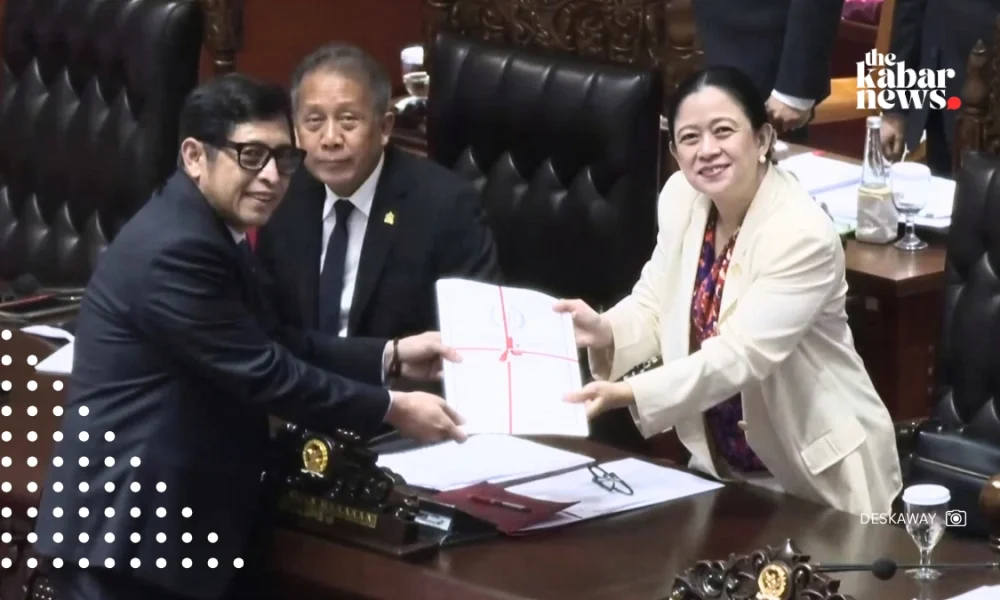
Thekabarnews.com—Finally, Indonesia has passed its Domestic Workers Protection Law. This is a giant stride forward for the rights and welfare of millions of workers in the informal sector.
Lawmakers at the House of Representatives (DPR) approved the bill during a plenary session on April 21, 2026, chaired by Puan Maharani. The Domestic Workers Protection Law (UU PPRT) gives full legal protection to domestic workers.
The new law grants domestic workers basic rights, including paid leave, holiday allowances (THR), and social security schemes from employers.
The federal and regional budgets could subsidize the social security contributions, depending on the chosen approach.
The law also gives domestic workers the ability to practice religion, work reasonable hours, and get proper rest. The employer pays the workers and has a documented employment contract, which stipulates the conditions of labor.
A significant paper highlights the necessity of creating contracts between employers and domestic workers that outline their rights and responsibilities. The agreements will be sent to local administrators (RT/RW) for better monitoring.
Domestic workers are usually not covered by official labor laws. Lawmakers and labor groups have long sought to grant them greater rights. The new regulation targets key issues, including vague labor terms, lack of protection, and the risk of exploitation.
A congressional official told reporters after the session that this bill clearly outlines the limits for the protection and fair treatment of domestic workers.
The law would do much to improve working conditions and increase accountability for firms. He said, “The government is trying to codify the employment relations to do away with the disputes and bring in openness in the sector.”
But the challenge, say onlookers, is making it work. Signing up millions of houses will be a giant task. Furthermore, it would require cooperation between local councils and central government departments.
The legislation is part of Indonesia’s broader effort to improve worker safeguards and align the country with international standards. There is growing appreciation for the contribution of domestic workers to the economy and to society.
Stakeholders recognize the effect on employment practices and worker well-being. If the rule is successful, it might set a precedent for expanding protections to other informal sectors. For example, workers in agriculture and construction often do not have fundamental rights and protections.
The UU PPRT is a milestone in Indonesia’s labor reform program and commitment to fairness, dignity, and social justice in the workplace.




No Comment! Be the first one.