



Electric cars and motorcycles still enjoy tax-free status in Jakarta
JAKARTA, Thekabarnews.com—The Jakarta Provincial Government will continue to provide exemptions for electric vehicles from the motor vehicle tax (PKB) and vehicle-ownership transfer fees (BBNKB)....

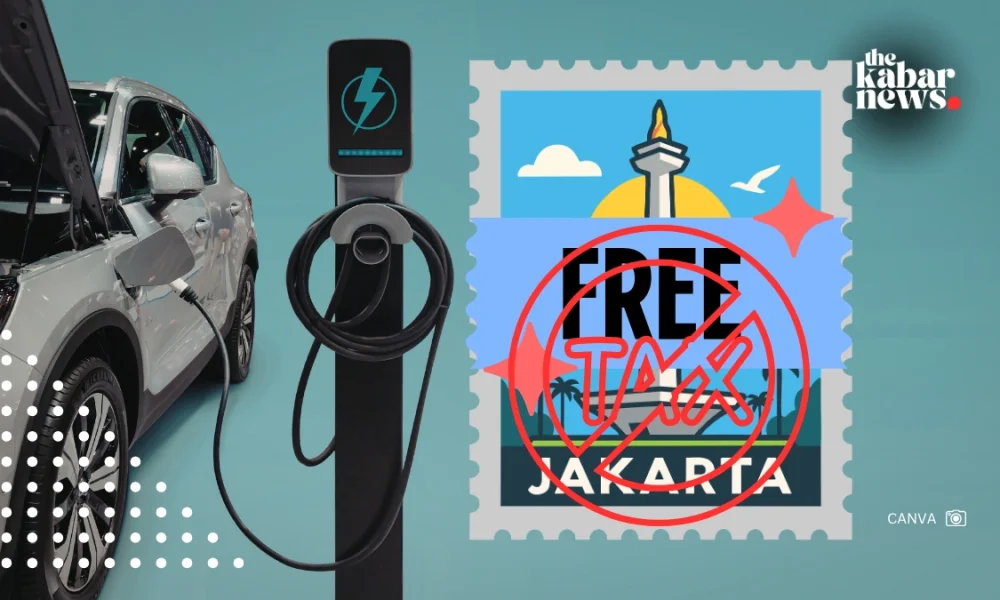
JAKARTA, Thekabarnews.com—The Jakarta Provincial Government will continue to provide exemptions for electric vehicles from the motor vehicle tax (PKB) and vehicle-ownership transfer fees (BBNKB). This move reaffirms its commitment to supporting environmentally friendly transportation. In addition, it will help accelerate the transition to clean energy.
The Jakarta Regional Revenue Agency (Bapenda) reaffirmed the current policy. The current framework still offers fiscal incentives for battery-based electric vehicles.
Officials said the tax exemption policy is still fully in line with Circular Letter of the Home Affairs Minister number 900.1.13.1/3764/SJ on fiscal incentives for battery electric motor vehicles.
The national policy encourages regional governments to offer tax relief in the form of PKB and BBNKB exemptions for electric vehicles. This is part of Indonesia’s broader environmental strategy.
The fiscal incentive policy for electric vehicles in Jakarta still follows the policy direction of the central government. This was stated by Bapenda Jakarta head Lusiana Herawati.
“The Jakarta administration is still supporting the development of low-emission transportation and mobility systems based on renewable energy,” she said.
Lusiana stated that the policy is also to relieve the financial burden on EV buyers. Additionally, it aims to promote wider public adoption of cleaner transportation in the capital.
“This policy is part of our support for the renewable energy vehicle ecosystem and our effort to promote the use of more environmentally friendly vehicles in Jakarta,” she said.
As the government seeks to cut its reliance on fossil fuels and reduce urban air pollution, electric vehicles are now a key part of Indonesia’s long-term energy transition strategy.
As one of Indonesia’s most densely populated regions, Jakarta also faces some of the country’s heaviest traffic. Moreover, it faces severe issues with emissions and air quality.
Officials say greater adoption of EVs could help reduce pollution levels and meet national carbon reduction targets.
Tax breaks are still considered one of the most powerful incentives to accelerate electric vehicle purchases. This is particularly important because EV prices remain higher than those of many conventional vehicles.
Removing PKB and BBNKB costs will greatly help affordability and make more consumers consider switching to electric transportation.
It also promotes wider investment in EV infrastructure such as charging stations, battery ecosystems, and green transportation services.
With competition in the EV market heating up, Jakarta’s ongoing fiscal incentives send a strong signal. The city remains committed to becoming one of Indonesia’s leading hubs for sustainable urban mobility.
The message to consumers is clear: it is the environmentally responsible choice, and the government is backing it with financial support.




No Comment! Be the first one.