



Oil prices pull back from rally as Hormuz tensions keep markets on edge
Thekabarnews.com—Oil prices fell in Asian trade Tuesday, May 5, 2026, after a sharp rally in the previous session. This came as investors weighed rising tensions in the Gulf against U.S. efforts to...

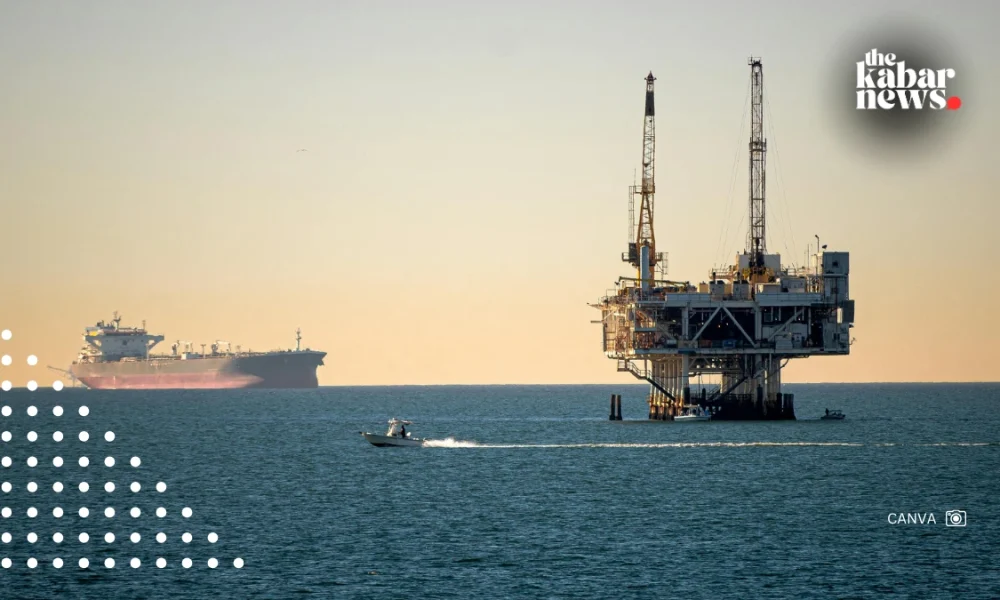
Thekabarnews.com—Oil prices fell in Asian trade Tuesday, May 5, 2026, after a sharp rally in the previous session. This came as investors weighed rising tensions in the Gulf against U.S. efforts to ensure safe passage through the strategic Strait of Hormuz.
Data compiled by Investing.com showed September Brent crude futures were down 0.2 percent at $US69.06 a barrel.
Meanwhile, West Texas Intermediate (WTI) crude futures were trading around US$61.65 a barrel. Market sentiment remained very sensitive to geopolitical developments.
Brent crude rose over 4 percent in the last session, and WTI added almost 6 percent. This happened as tensions between the United States and Iran mounted.
The spike followed attacks on energy infrastructure and commercial vessels in the Strait of Hormuz. This is one of the world’s top oil transit routes.
Markets were fragile after fresh military exchanges on Monday, May 4. On that day, U.S. and Iranian forces launched new attacks in the Gulf region. Both sides sought to assert control over the strategic waterway.
The renewed fighting effectively ended a fragile truce and raised fears of a prolonged supply disruption across global energy markets.
Iranian strikes reportedly hit infrastructure in the UAE, including oil terminal facilities at Fujairah Port, raising tensions. The attacks raised concerns about the safety of commercial shipping and of oil exports in the region.
Traders are also looking at U.S. President Donald Trump’s new “Project Freedom” initiative to help stranded vessels in the Gulf. It also aims to restore some shipping flows through the Strait of Hormuz.
The operation seeks to guide commercial vessels through safer passageways and to restore confidence in maritime transport across the region.
The U.S. military said it has already begun escorting ships through the strait under the initiative. In addition, American forces are actively working to reopen secure commercial shipping lanes.
Project Freedom might alleviate some of the short-term logistical bottlenecks. However, it does little to address the more profound geopolitical tensions behind the crisis. Such uncertainty makes oil markets very sensitive to any new military escalation.
A temporary disruption of the Strait of Hormuz could have major global consequences. Nearly one-fifth of the world’s oil supply passes through the narrow waterway.
Any prolonged instability could put upward pressure on fuel prices around the world, including gasoline prices and industrial energy prices.
Investors are being pulled in opposite directions for now by hopes of logistical stabilization. At the same time, there are fears a wider U.S.-Iran confrontation could spark a longer and more damaging supply crisis.






No Comment! Be the first one.