



Dicky Budiman warns of Anak Krakatau ash dangers
JAKARTA, thekabarnews.com—Dicky Budiman, a health security researcher and epidemiologist at Griffith University in Australia and YARSI University in Indonesia, has warned residents to limit their...

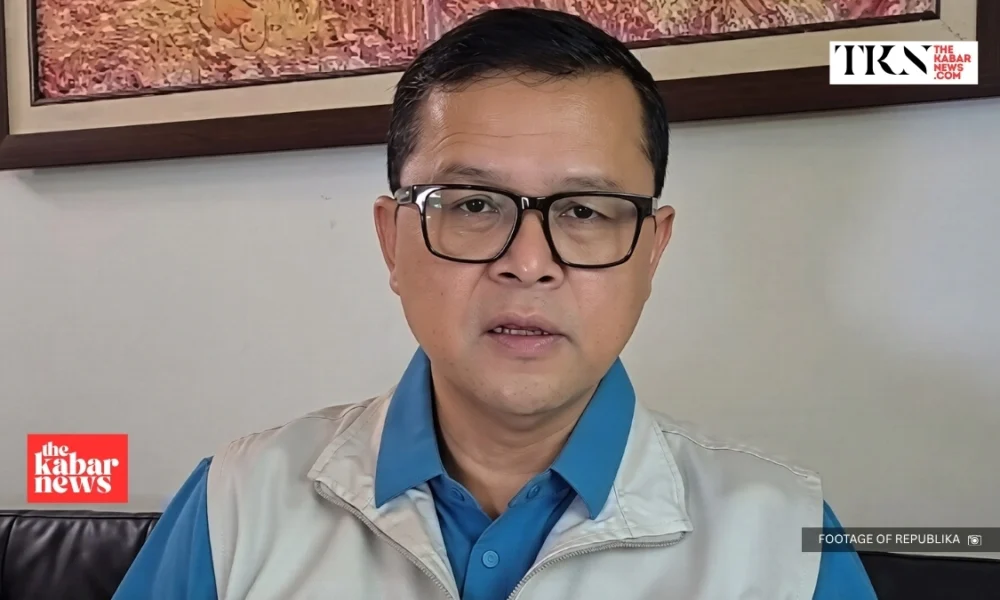
JAKARTA, thekabarnews.com—Dicky Budiman, a health security researcher and epidemiologist at Griffith University in Australia and YARSI University in Indonesia, has warned residents to limit their exposure to volcanic ash from Mount Anak Krakatau. This warning comes after winds carried the material across Lampung, Banten, Greater Jakarta and parts of West Java.
Dicky Budiman said volcanic ash differs from ordinary household dust because its fine, abrasive particles can irritate exposed organs.
“Volcanic ash is very different from ordinary ash or dust because it contains silica, which can resemble sharp fragments of glass and damage exposed organs, particularly the eyes, nose, mouth and skin,” Dicky said in footage of Republika on Sunday, September 6.
He said ash exposure could cause red or watery eyes, a burning sensation and sensitivity to light. Fine particles may also irritate the nose and throat, leading to coughing, wheezing or chest discomfort.
People with asthma, chronic bronchitis and other respiratory conditions face a greater risk of worsening symptoms.
“People should avoid strenuous activity when volcanic ash concentrations are high because faster breathing can draw fine particles deeper into the lungs,” Dicky said.
“Fresh volcanic ash may also have an acidic coating that increases irritation of the lungs and eyes before rain washes it away.”
The composition of volcanic ash varies between eruptions. The International Volcanic Health Hazard Network defines it as fragmented volcanic rock measuring less than two millimeters.
Its health effects depend on particle concentration, exposure duration and the amount of respirable crystalline silica present.
The network notes that serious diseases associated with crystalline silica generally require prolonged exposure to high concentrations over many years. Short-term exposure more commonly causes acute respiratory or eye irritation.
Dicky advised residents to stay indoors during heavy ashfall and keep doors and windows closed. Furthermore, people who must go outside should wear a well-fitting N95 respirator or equivalent protection. They should use goggles instead of contact lenses.
“Remember that this ash can contain sharp silica particles, so protect your eyes with glasses or goggles. If irritation occurs, immediately rinse the eyes with clean water,” he said.
Residents should avoid rubbing ash-covered skin or eyes. Health guidance also recommends lightly dampening deposited ash before removal because dry sweeping can send particles back into the air. Residents should avoid using excessive water during cleanup.
Indonesia’s Health Ministry issued similar advice after ash reached Banten, Jakarta and West Java. Health Minister Budi Gunadi Sadikin asked residents to reduce outdoor activity. He also identified children, older people and those with chronic respiratory or cardiovascular conditions as particularly vulnerable.
BMKG detected two ash clusters on September 6, extending across western Java and toward Bengkulu. Authorities subsequently extended temporary closures at eight airports until 9 a.m. on September 7, subject to further safety assessments.
The Geological Agency continues to classify Anak Krakatau at Level III [Siaga] and prohibits activity within three kilometers of its active center.
Residents should follow official updates and seek medical care promptly if they experience breathing difficulties, chest pain or persistent eye problems.




No Comment! Be the first one.